
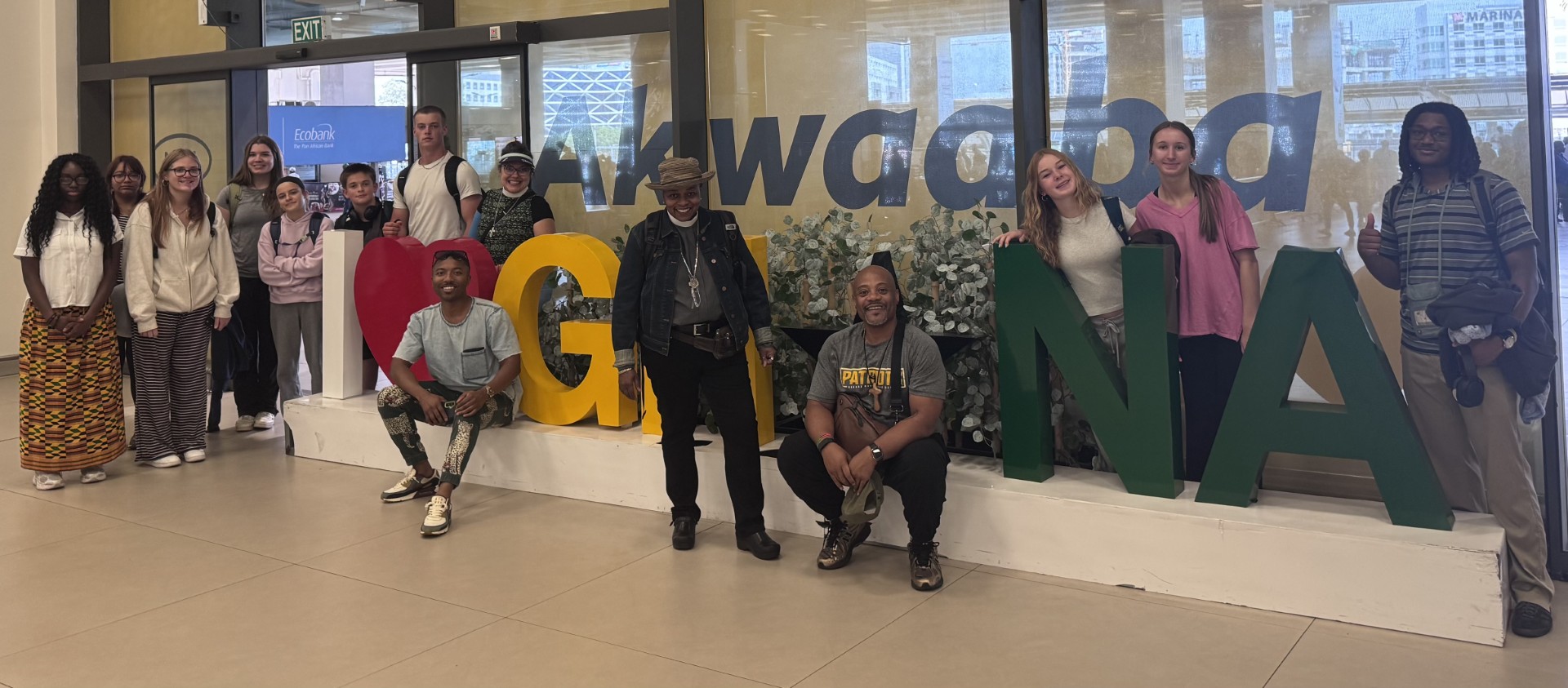
By Communications Team
Four adults embarked on the Triangle of Hope (TOH) pilgrimage in summer 2026, expecting to guide 11 high schoolers from the Diocese of Virginia. But they, along with the youth, returned from 10 days in Ghana with transformed hearts.
The Virginia group joined leaders and teens from the Diocese of Liverpool in England and the Diocese of Kumasi in Ghana, with a goal of transforming a shared history in the transatlantic slave trade into a pathway of repentance and healing.
The adult leaders recalled feeling caught off guard by the visceral weight of the journey.
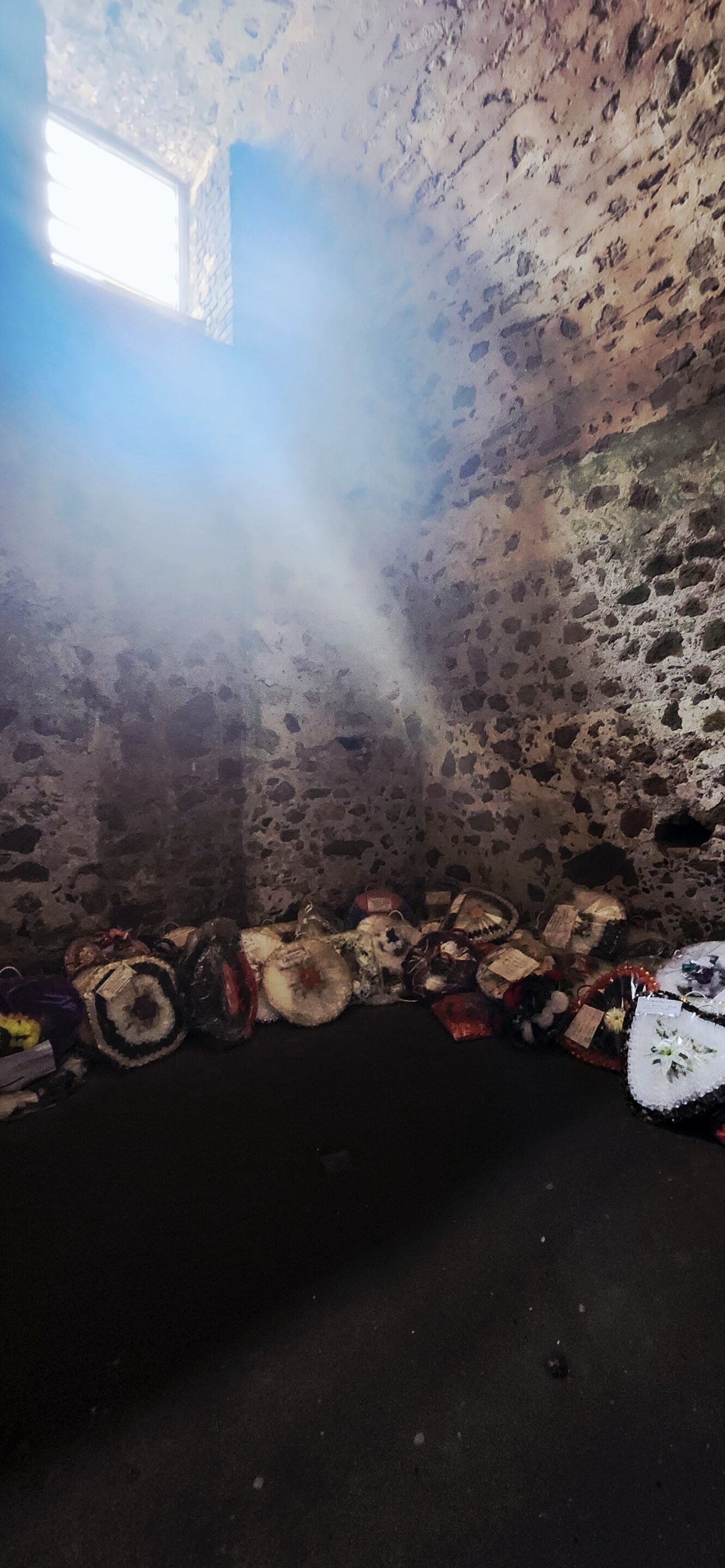
“There is nothing elegant about the raw experience of literally walking on a thick layer of sediment composed of the blood, sweat, tears, and excrement of enslaved people,” said Jabriel Hasan of St. Paul’s, Richmond.
“It is unforgettable. The pain of the dungeons is indescribable. I would liken it to how I imagine drowning: being overcome and having no way to help yourself.”
Yet right beside that deep sorrow, the adult leaders encountered vibrant worship, extraordinary hospitality, and the beginnings of relationships that could transform how the shared story unfolds.
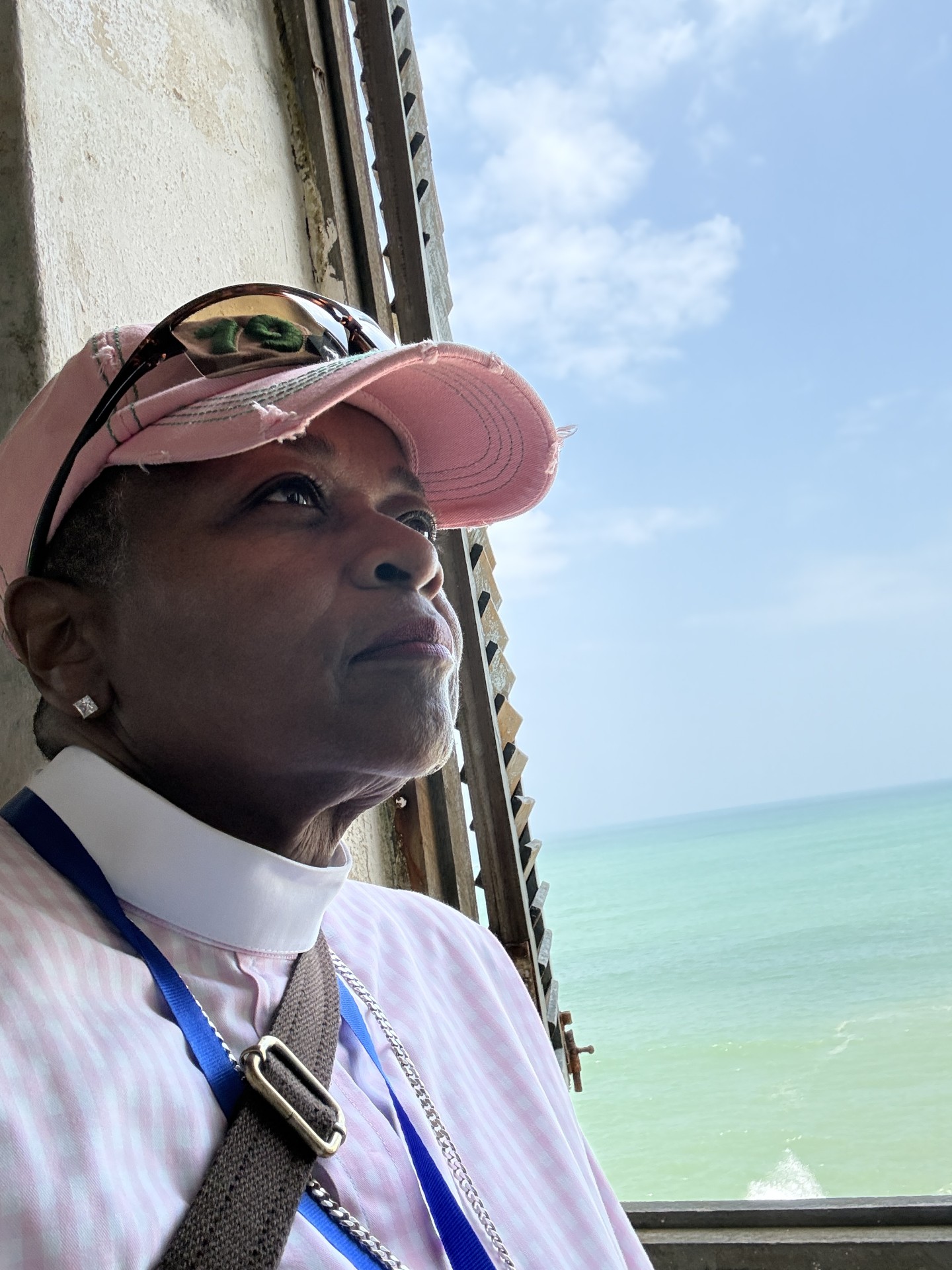
“The finality of those experiences will resonate with me for the rest of my life,” recalled the Very Rev’d Janettarose Greene of St. Mary’s, Arlington. “Pilgrimage is different from tourism. A tourist asks, ‘What will I see?’ A pilgrim has to be willing to ask, ‘How will what I see change me?’”
A defining moment of the journey occurred deep within Cape Coast Castle, where the group celebrated Holy Eucharist at the place where human beings were warehoused like cargo. The service was led by Greene as celebrant and the Ven. Susie Harding of St. Andrew’s, Burke, as deacon.
"Gathering at the table in a space once defined by human auction was a profound witness to reconciliation," said adult leader Dr. J. Lee Hill Jr., who serves as Canon for the Ordinary and Dean of the Diocesan Ministry for Racial Justice and Healing. "To watch these two leaders serve together in that space—and to witness the impact of that moment on our young people—reminded us that God’s grace can transform even the deepest sites of despair into places of holy hope."
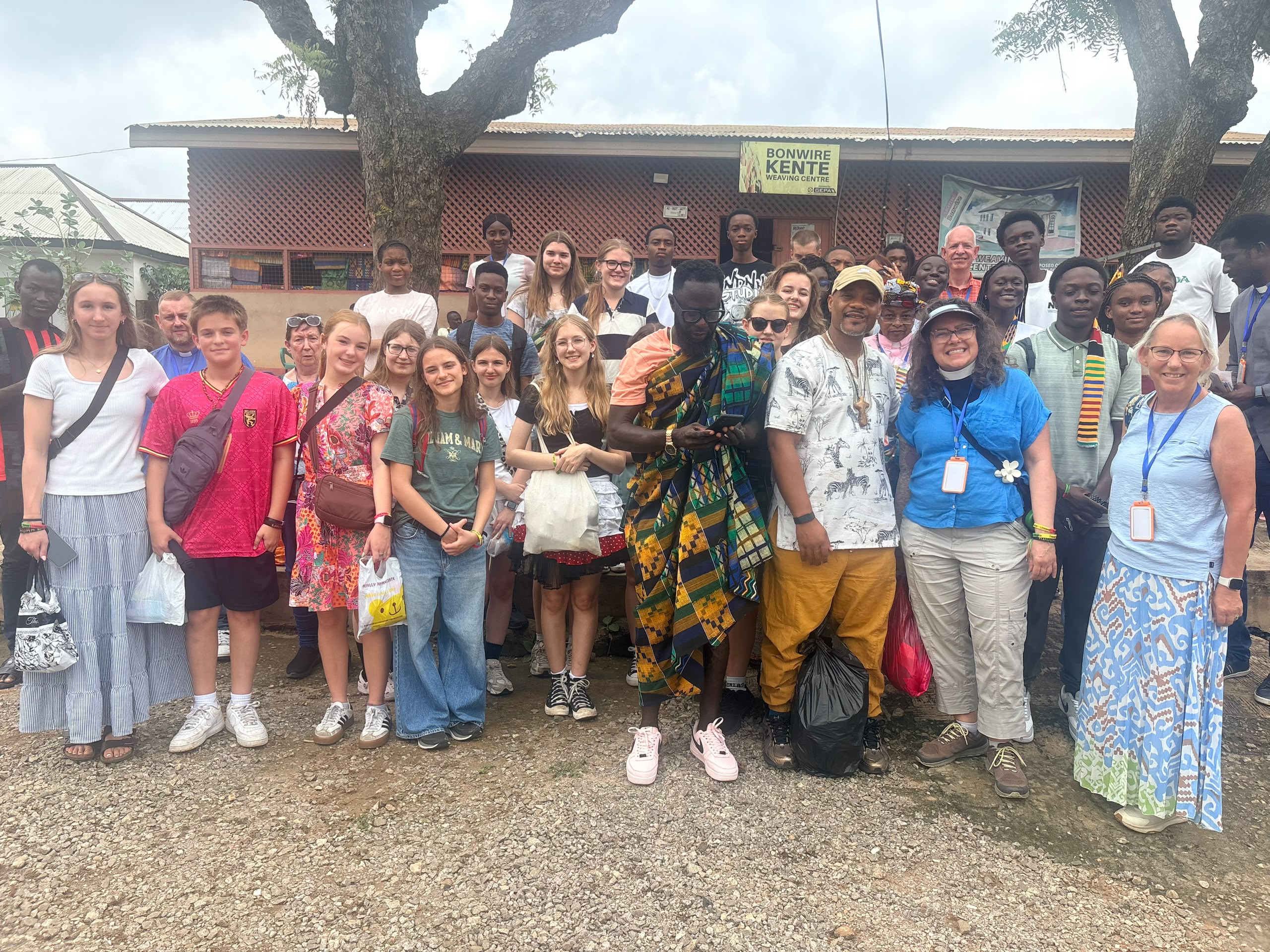
Greene, Harding, and Hasan reflected on their journey, the physical weight of history, and the hope they brought back to Virginia. Here are their takeaways.
The Very Rev’d Janettarose Greene (St. Mary’s, Arlington): “Help Us Imagine Something Different”
I serve as the Senior Associate Rector at St. Mary’s Episcopal Church in Arlington and as Dean of the Arlington Region of the Diocese of Virginia. I am also a member of the Triangle of Hope Leadership Team.
My involvement with Triangle of Hope grew out of my commitment to racial healing and reconciliation and my belief that some of our deepest formation happens when we are willing to encounter one another’s stories honestly and faithfully.
The Triangle of Hope is particularly meaningful to me because it brings together young people and adults from Virginia, the United Kingdom, and Ghana three places whose histories are deeply connected through the transatlantic slave trade.
Yet the pilgrimage does not leave us only with the pain of that history. It asks what God might do with us now: How relationships can be formed, how truth can lead to healing, and how a new generation can help us imagine something different.
I knew some of the young people better than others, but I did not know all of them deeply before the pilgrimage. In many ways, that became one of the gifts of the experience. Traveling together allows you to know people differently. You see their curiosity, their humor, their compassion, their questions, and sometimes their vulnerability.
Over the course of the pilgrimage, they were no longer simply "the youth on the trip." They became a community of young people whose wisdom I came to respect and whose lives and faith I now carry with me. One of the great privileges for me as a priest was simply to be present, to listen, to encourage, to pray with them, and sometimes to allow them to teach me.
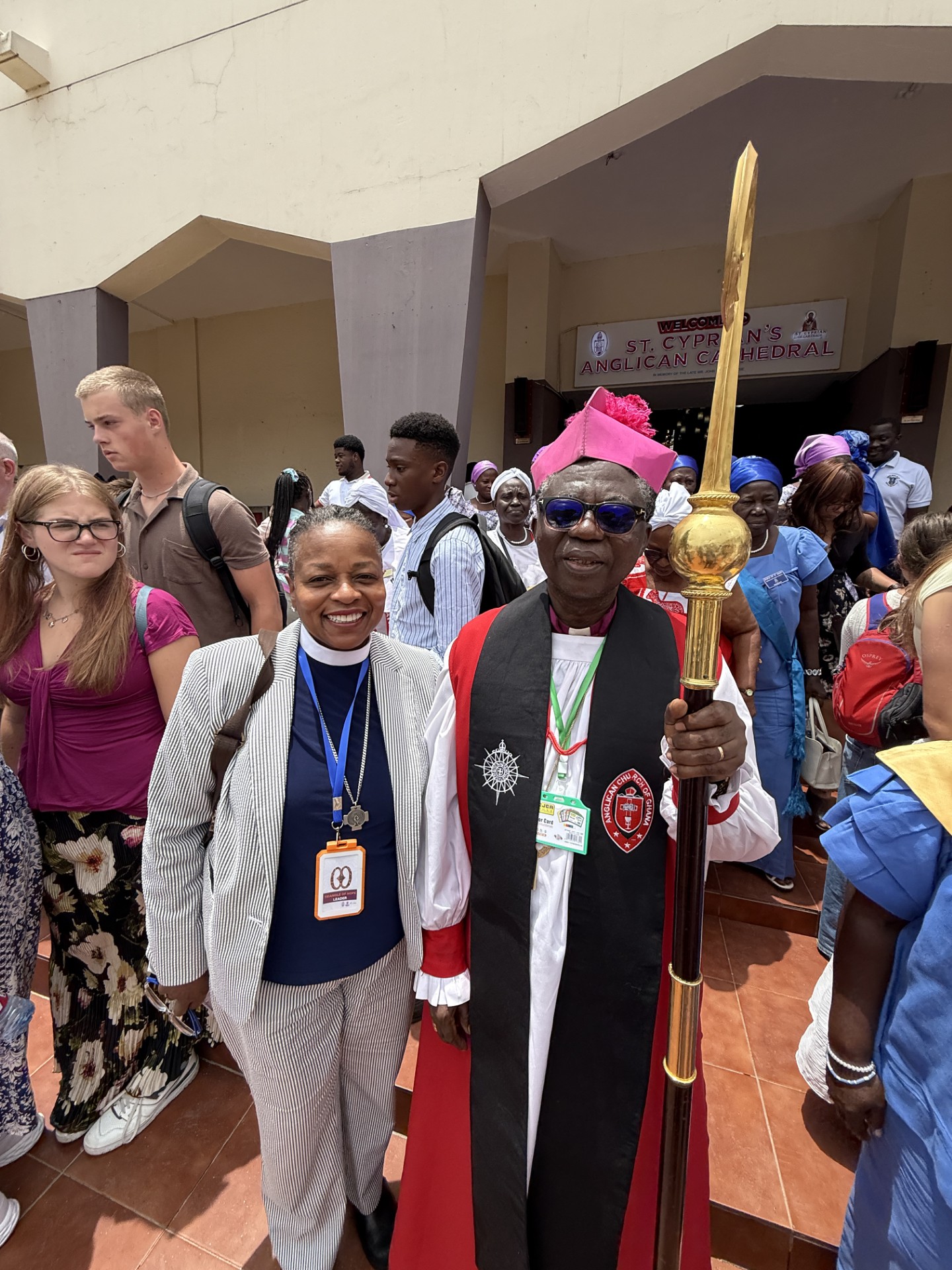
I had traveled to Ghana in 2025 on a scouting trip designed to determine if we could actually pull something of this magnitude together. So, intellectually I understood something of what pilgrimage asks of us, but this trip in 2026 to Ghana was a different kind of journey.
I went expecting to serve as a priest, pastor, and adult presence for our young people. I also expected to encounter the history of the transatlantic slave trade in a much more intimate way than one can through books, classrooms, or documentaries.
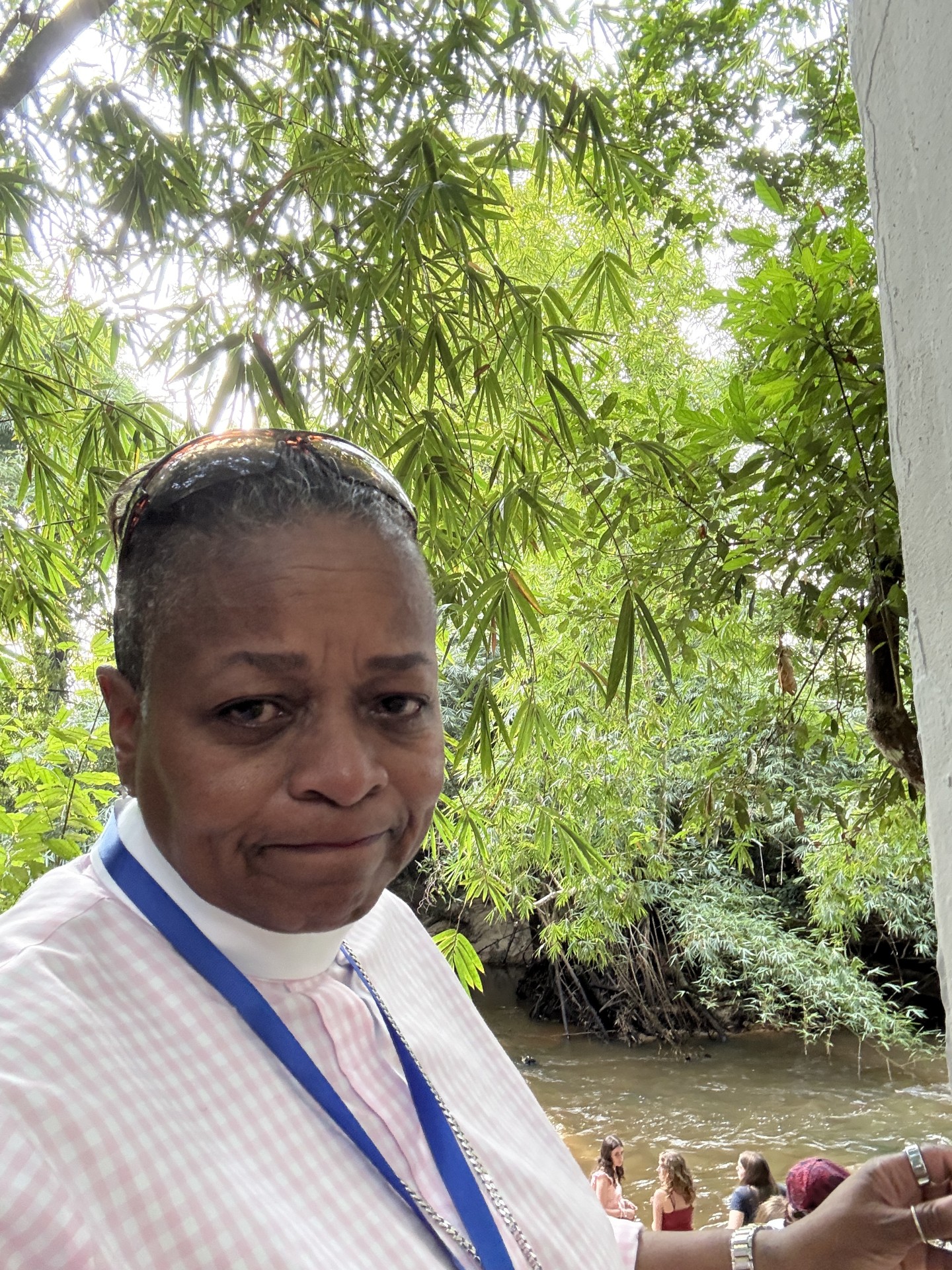
What I did not fully anticipate was how much I would receive. This second trip to the Cape Coast Slave Castle/Dungeon and first trip to The Last Bath moved me deeply. The finality of those experiences will resonate with me for the rest of my life.
Pilgrimage is different from tourism. A tourist asks, "What will I see?" A pilgrim has to be willing to ask, "How will what I see change me?" I tried to enter Ghana with that posture to listen before speaking, to receive the hospitality of the Ghanaian people, to pray, and to allow myself to be uncomfortable when discomfort was necessary.
As a priest, I understood part of my role to be caring for the pilgrims. But I was also very much a pilgrim myself. I came home changed. Perhaps one of the greatest changes was a deeper understanding that reconciliation is not primarily an idea or a program. It is about relationships.
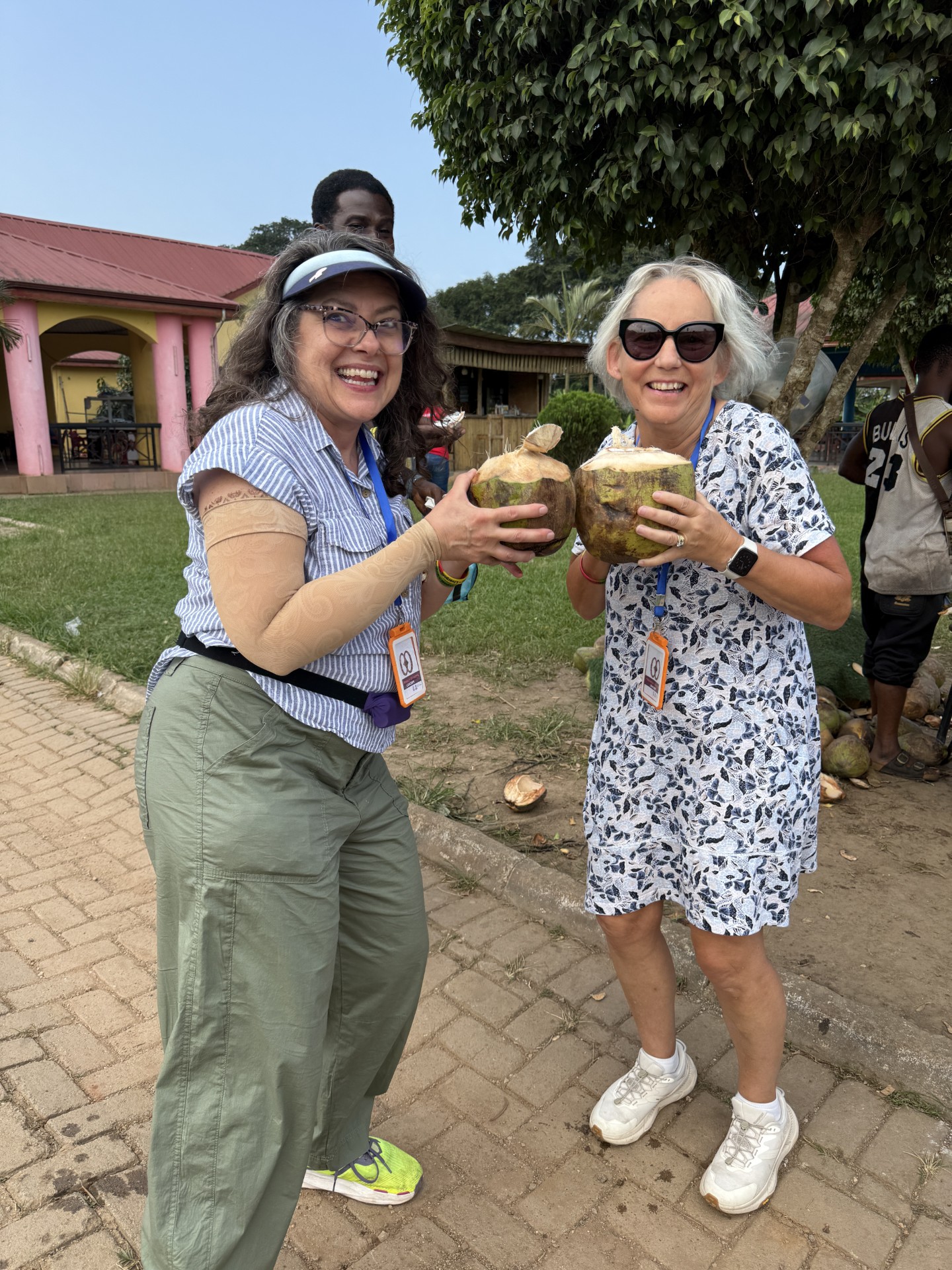
The history connecting Ghana, the United Kingdom, and Virginia is painful. There is no faithful way to tell that story without acknowledging slavery, exploitation, racism, and the ways those consequences continue to ripple through our societies.
But Triangle of Hope places young people from those very places in relationship with one another. They eat together, worship together, laugh together, learn together, and wrestle with difficult history together. There is something profoundly hopeful about that.
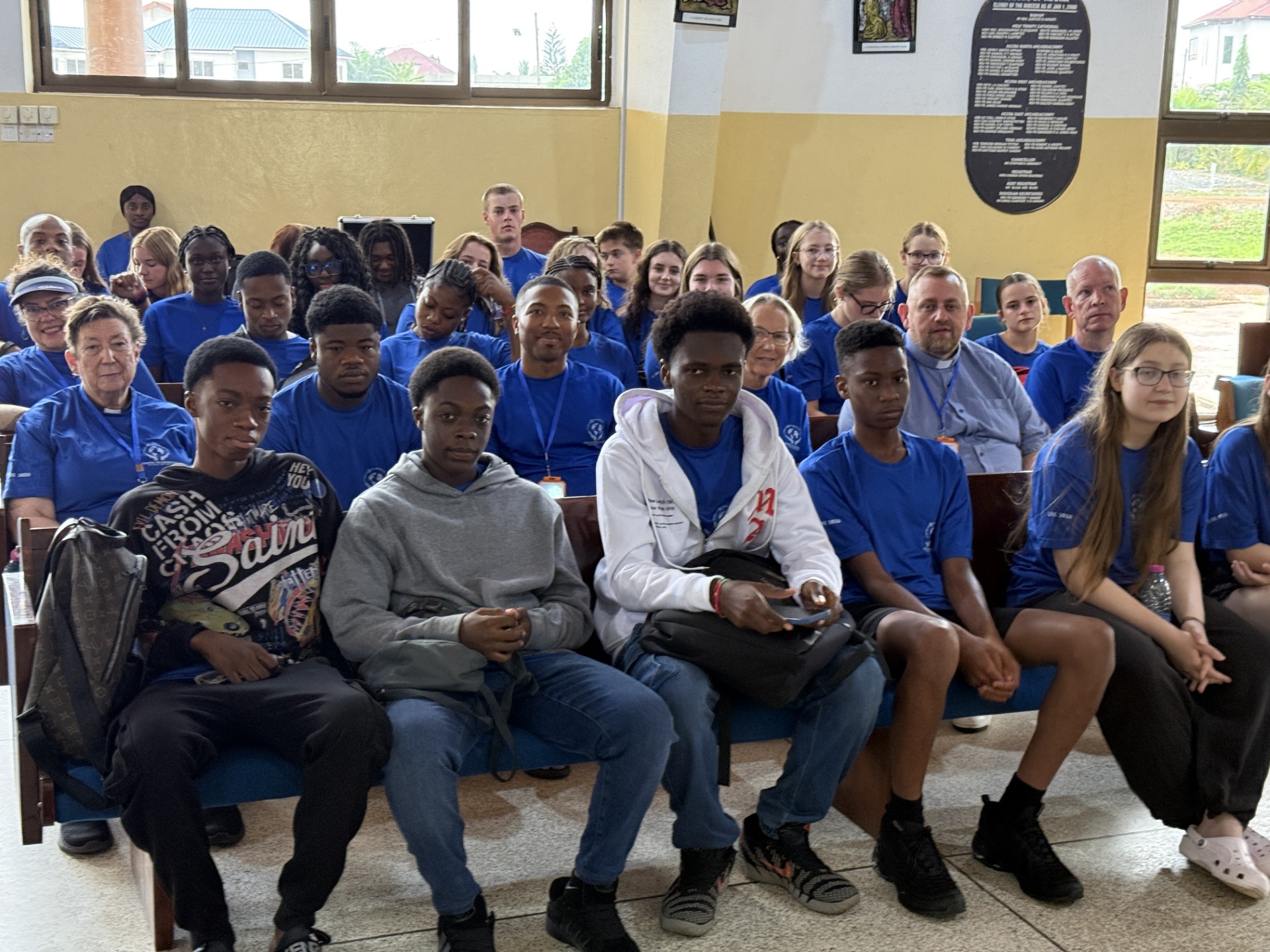
Watching our pilgrims made me realize again and again that we do not have to be imprisoned by the worst chapters of our history. We cannot erase them, and we should never minimize them, but through truth, relationship, repentance, and love, God can help us write a different chapter.
The young people from Ghana, the UK, and Virginia brought different histories and experiences to the pilgrimage, but they also discovered how much they shared. Their friendships made the "Triangle" something more than three points on a map. It became a living community.
They reminded me that sometimes adults spend a great deal of time explaining why reconciliation is difficult, while young people simply sit down beside one another and begin building relationships. That gives me tremendous hope for the Church.
There are many moments from TOH 2026 I continue to carry with me.
Certainly, visiting the places connected to the slave trade was deeply moving. Standing in spaces where human beings were confined, stripped of dignity, separated from family, and sent across the Atlantic forces you to confront history differently. It is no longer abstract.
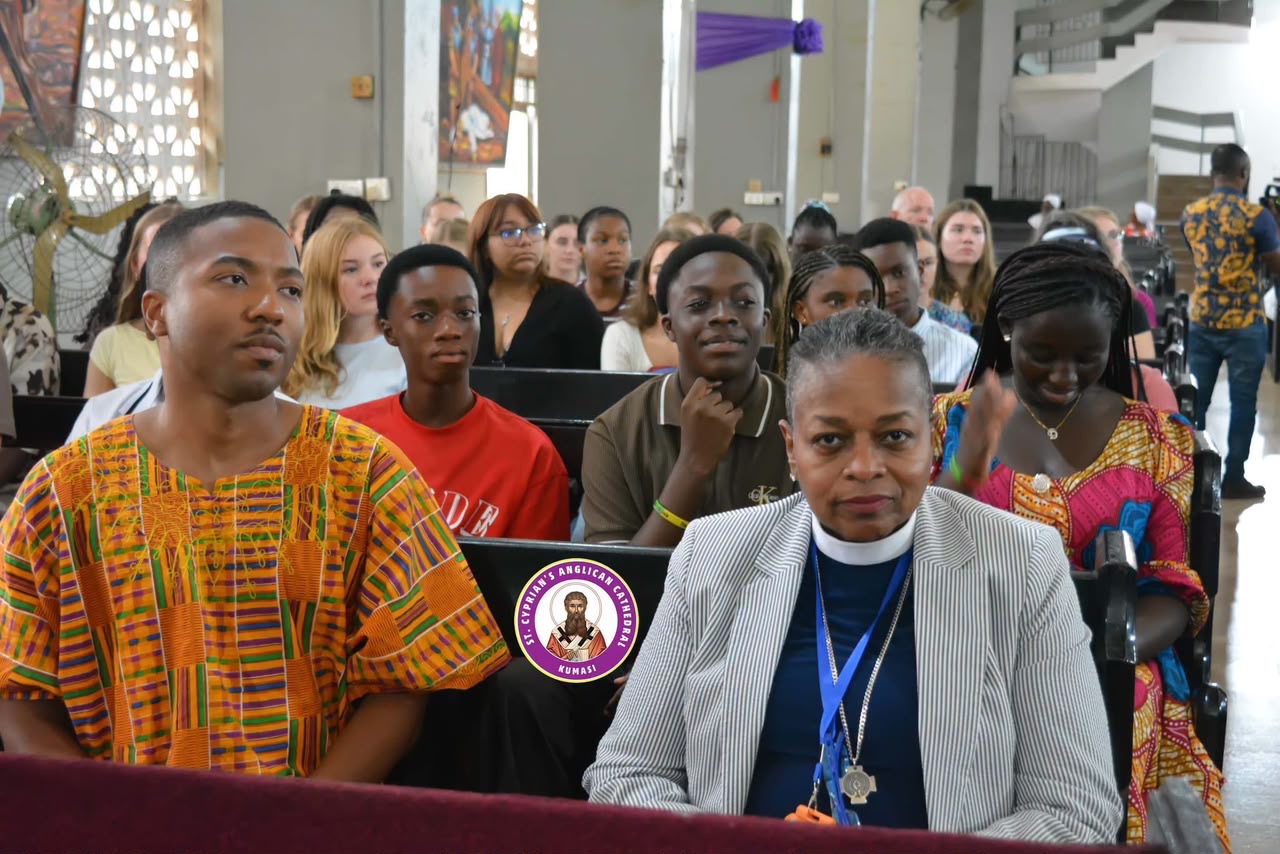
But I also remember the joy. I remember worship. I remember music. I remember meals and conversations. I remember the extraordinary hospitality we received. I remember watching young people laugh together who, not long before, had been strangers from different countries.
That juxtaposition of sorrow and joy, lament and hope, is part of what made the pilgrimage so powerful. One of the things I hope the Diocese understands about the Triangle of Hope is that this is much more than a youth trip to Ghana.
It is formation. It is reconciliation work. It is evangelism in the deepest sense of the word because it bears witness to what the Gospel says is possible when people who have inherited a painful history choose to encounter one another as beloved children of God.
The pilgrimage does not end when the plane lands back in Virginia. The real question is what we do with what we have seen and who we have become. Our pilgrims now carry these relationships and stories with them.
Our responsibility is to listen to them, make room for their leadership, and help them translate what they experienced into the ongoing life and witness of the Church. The Triangle of Hope gave me an even stronger conviction that our young people should not simply be invited to participate in the Church. They should be trusted to help lead it.
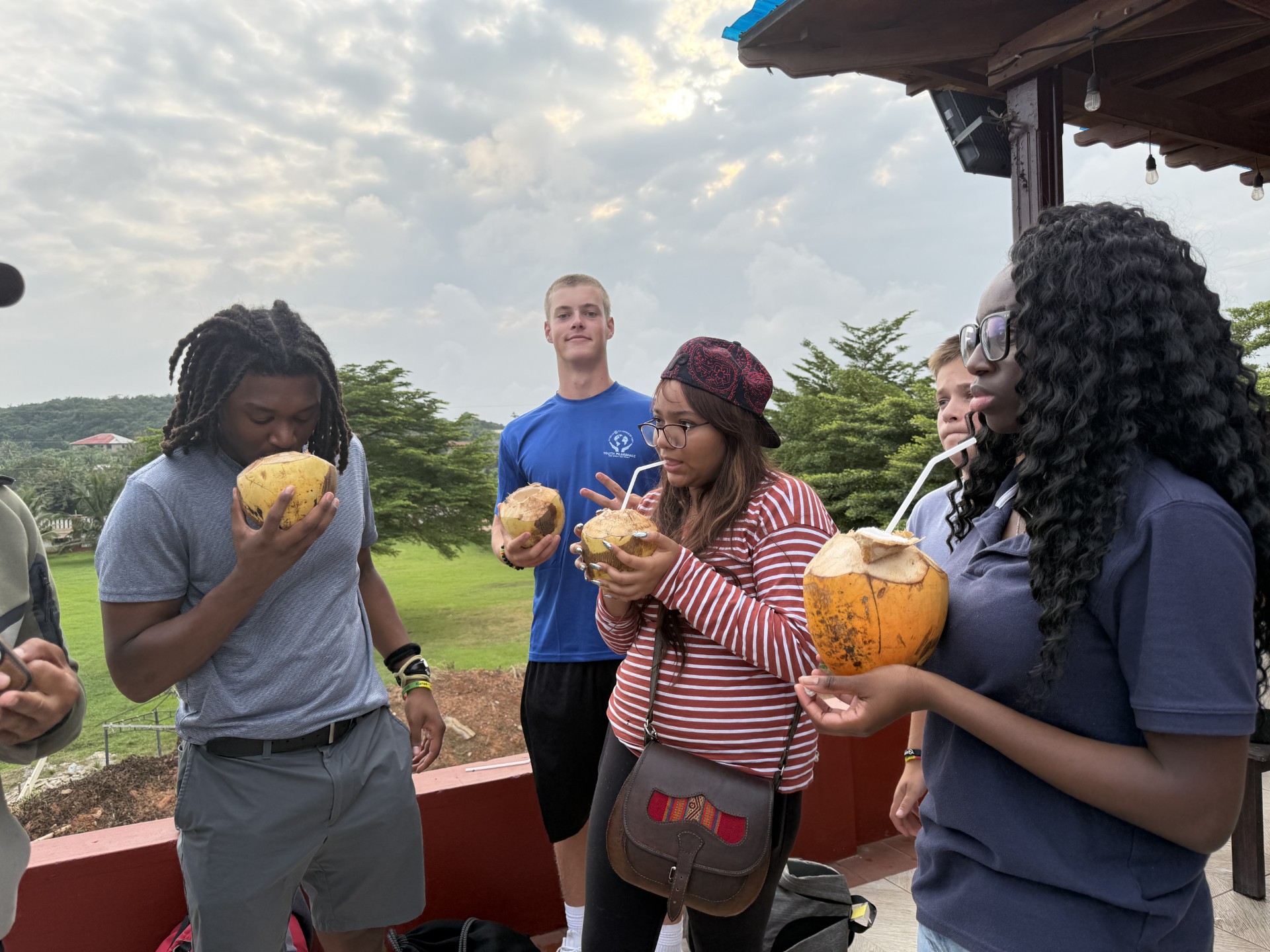
My favorite photographs are not necessarily the most perfectly composed ones. They are the photographs that capture relationship—the young people from Ghana, the UK, and Virginia standing together, laughing together, worshipping together, or simply enjoying one another. Those photographs tell the story of Triangle of Hope better than almost anything I could say.
There are also photographs from the more solemn moments that I treasure because they remind me of the sacred responsibility we carried: to remember those whose lives were taken or forever altered by the slave trade and to honor them by working toward a more just and reconciled world.
But if I had to choose one kind of photograph to represent the pilgrimage, it would be a picture of our young people together. The history behind them may be complicated and painful, but when I look at them together, I see hope.
And perhaps that is the greatest gift Triangle of Hope gave me: the reminder that Christian hope is not pretending the past did not happen. Christian hope is believing that the past does not have to have the final word.
The Ven. Susie Harding (St. Andrew’s, Burke): “Deeper Knowing of Each Other”
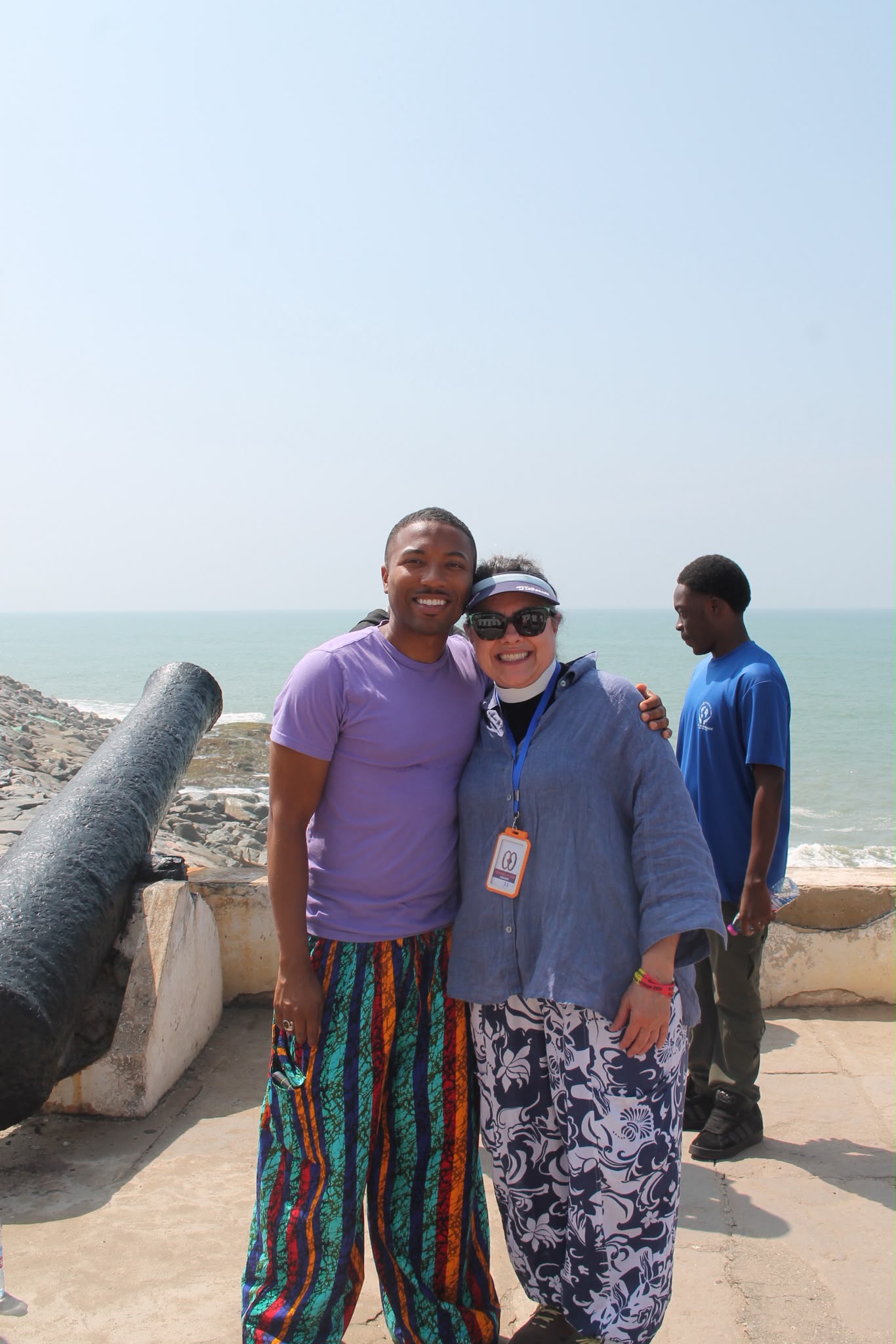
Our parish youth join the Triangle of Hope pilgrimage on a rolling basis so we had pilgrims completing their third leg of the pilgrimage as well as those on their second and four on their first leg of the pilgrimage.
I love the picture of the three boys Turner on the left (2nd leg of the pilgrimage), Jeremiah on the right (3rd leg of the pilgrimage), and William held by them (1st leg of the pilgrimage).
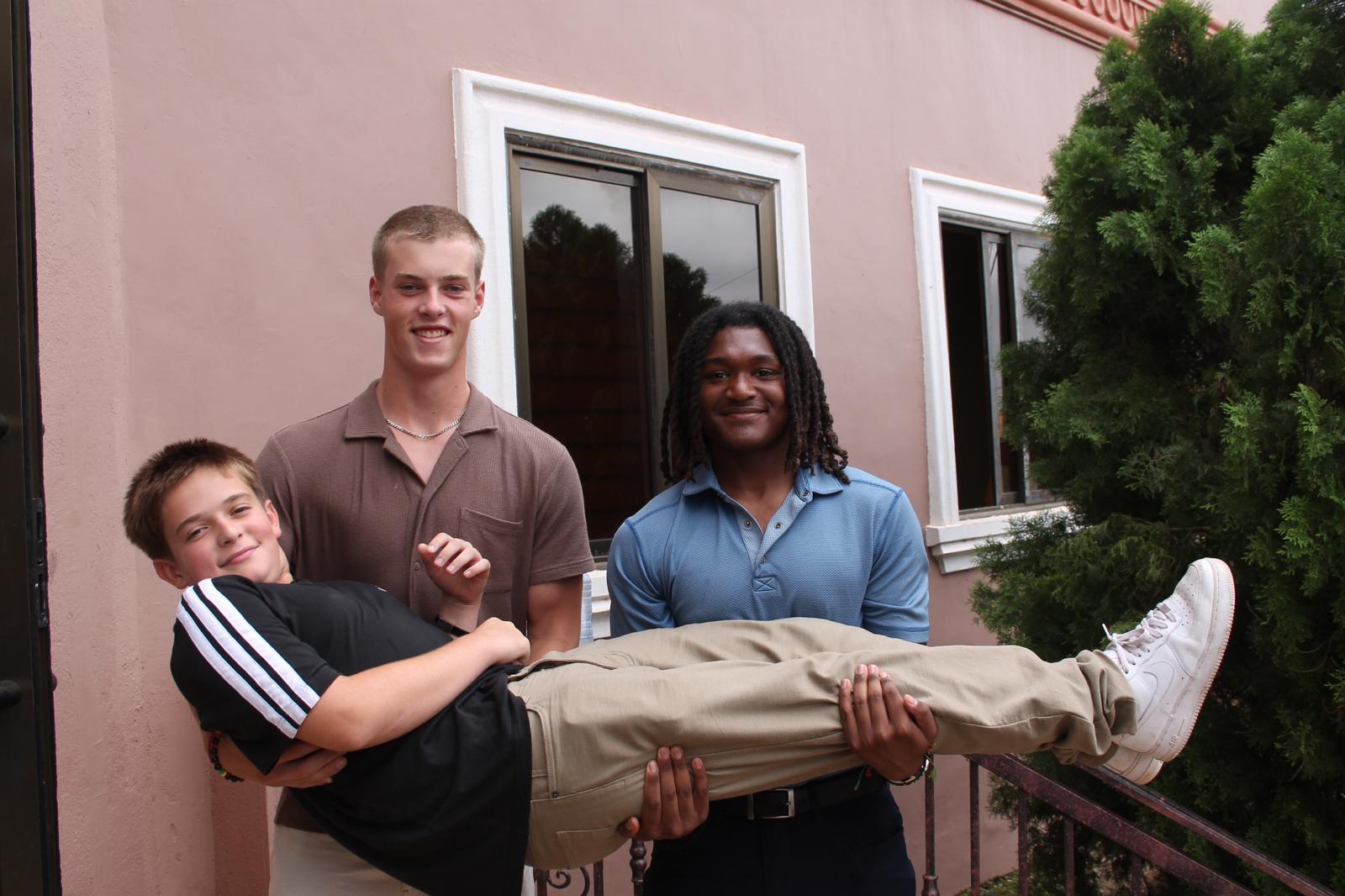
Each year we have some who are new. I love this because each year we see experienced pilgrims step up and help new pilgrims on their first pilgrimage.
I have been an adult leader for Triangle of Hope Youth Pilgrimage for three years now, so I knew many of the pilgrims from past pilgrimages. Four pilgrims were new this year. I knew them from our weekend gatherings to prepare for pilgrimage, but on pilgrimage it deepens our relationship.
Looking back, with that deeper knowing of each other from the shared experience of pilgrimage, the way we knew each other before the journey can often seem superficial.
I traveled to Ghana for the first time in May 2026 with Bishop Stevenson and Canon Hill in advance of our August youth pilgrimage. So, the youth pilgrimage was my second trip to Ghana.
My expectation on the May trip was to experience our shared history in person in a deeper way than one might reading about it. And, in many ways that first experience was emotional in the way that experiencing something for the first time is new and surprising.
Going into the youth pilgrimage in August, I was focused on our pilgrims and supporting their pilgrimage. I was aware from my earlier experience of particular places that might be emotional and others where they would experience joy.
I was glad for the earlier opportunity to pilgrimage to Ghana so that I had time to process my experience which allowed me to focus on supporting our youth.
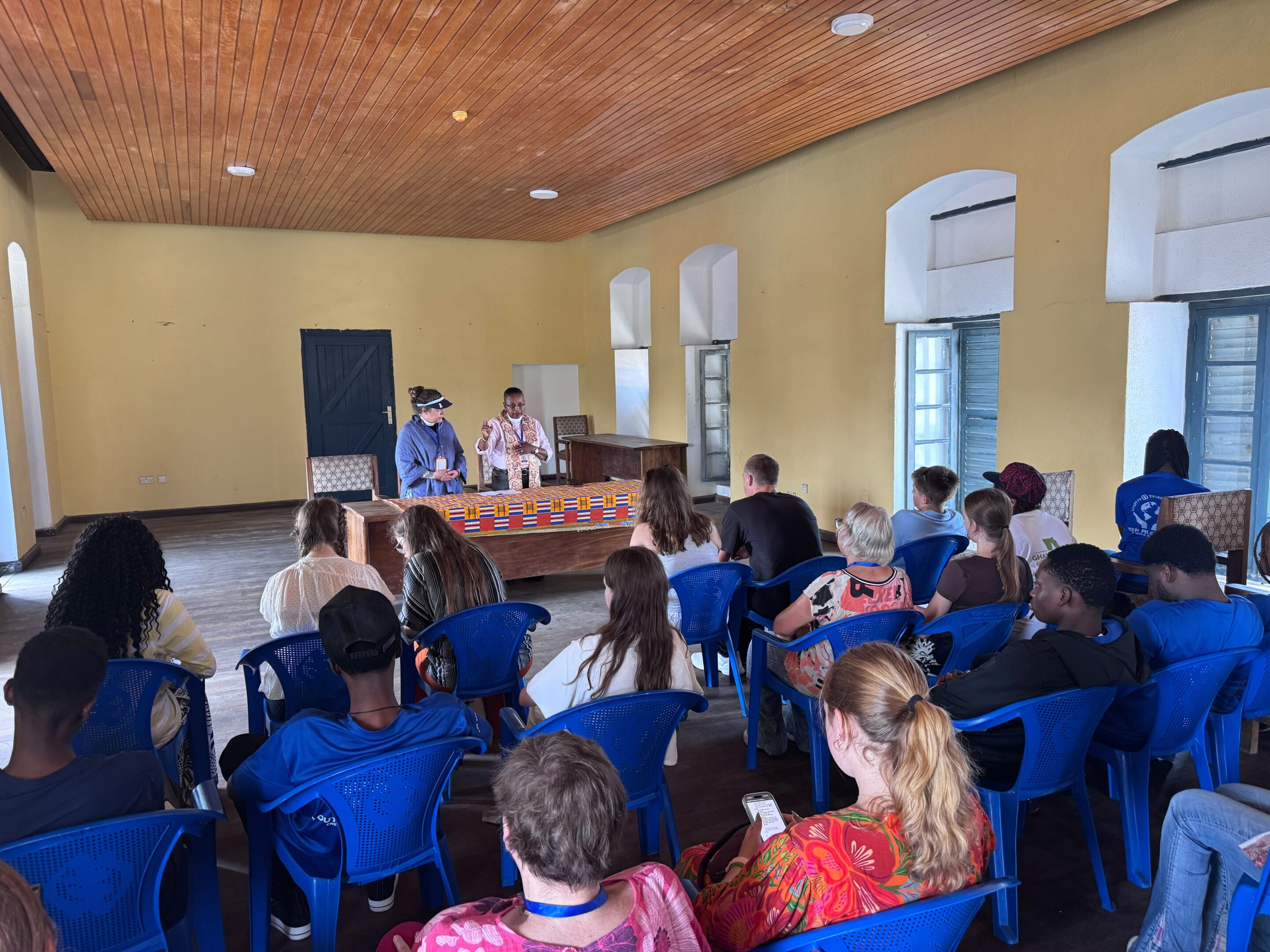
Pilgrimage with adults and youth from Ghana, Liverpool, and the U.S. deepens the experience because we are each more steeped in our national history. Some of these pilgrims have known each other for four years now since we had a gap year due to visa appointment delays for our Ghanaian pilgrims.
Our dinnertime conversations intentionally included table groups from all three countries so that perspectives were shared from each country's pilgrims. It was motivating to me to hear from pilgrims from other countries how the pilgrimage has changed their perspective and their life trajectory.
Triangle of Hope 2026 was the first time youth from all three countries have been in Ghana together. A moment that stands out in particular to me was serving as deacon with Janettarose Green as celebrant for Eucharist at Cape Coast Castle and Dungeon.
Janettarose and I met at our discernment retreat years ago and serving together now, coming to the table, not just for solace but for strength to do the work of justice in the world, felt in my heart like the absolute response we are called to.
Jabriel Hasan (St. Paul’s, Richmond): “The Raw Experience”
I serve as youth coordinator for St. Paul's Episcopal Church (Richmond), and as a current member and former cochair of the diocesan Truth and Reparations Task Force.
I became involved with Triangle of Hope three summers ago at Lee Hill's recommendation. I have seen four of the youth journey towards the end of the full pilgrimage cycle. It's been beautiful to watch them learn, grow, and evolve.
I lived in East Africa for two years as a Peace Corps volunteer in Ethiopia, but I had never been to West Africa.
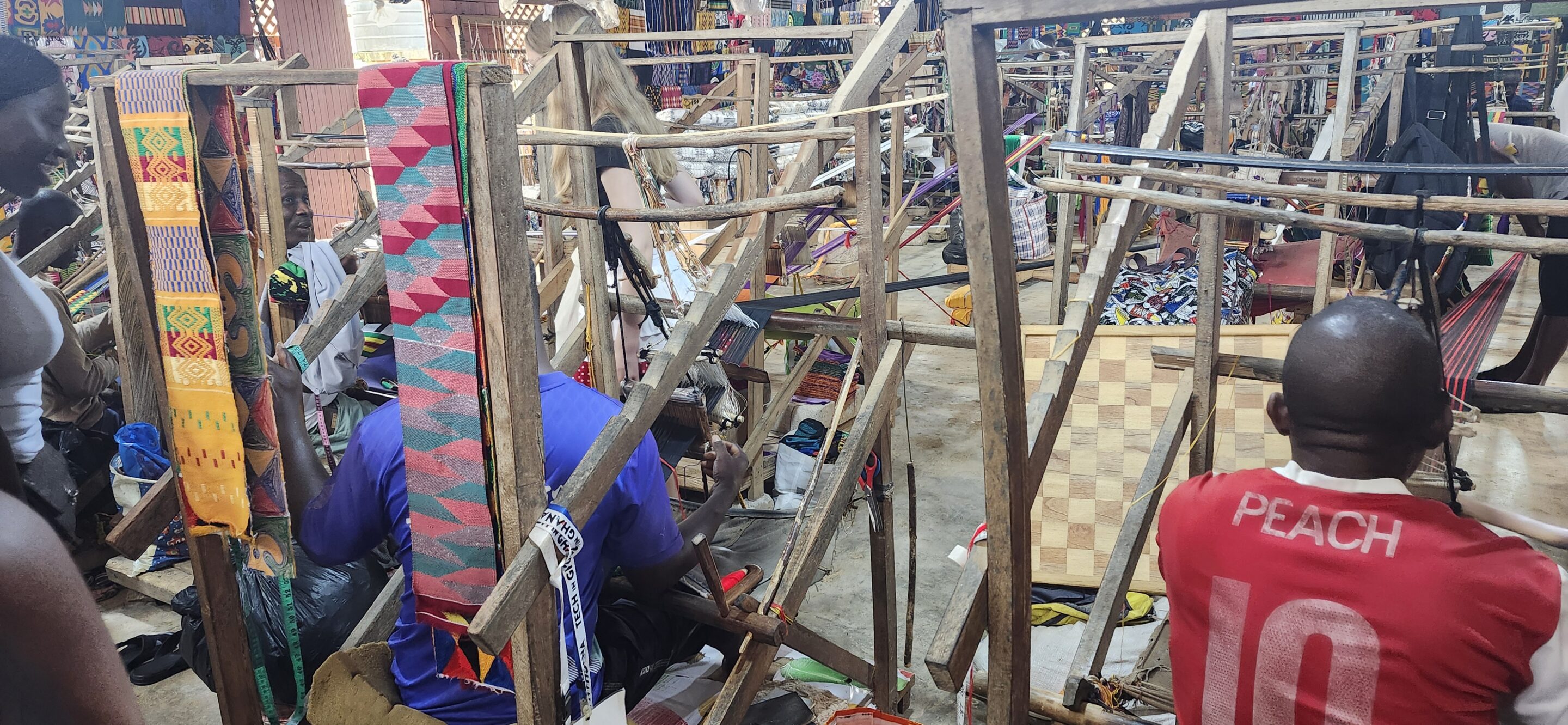
I anticipated that it would be a sort of homegoing experience. There are definitely striking similarities between West African and Black American culture(s), and there are stark differences. We are strikingly similar and also notably different.
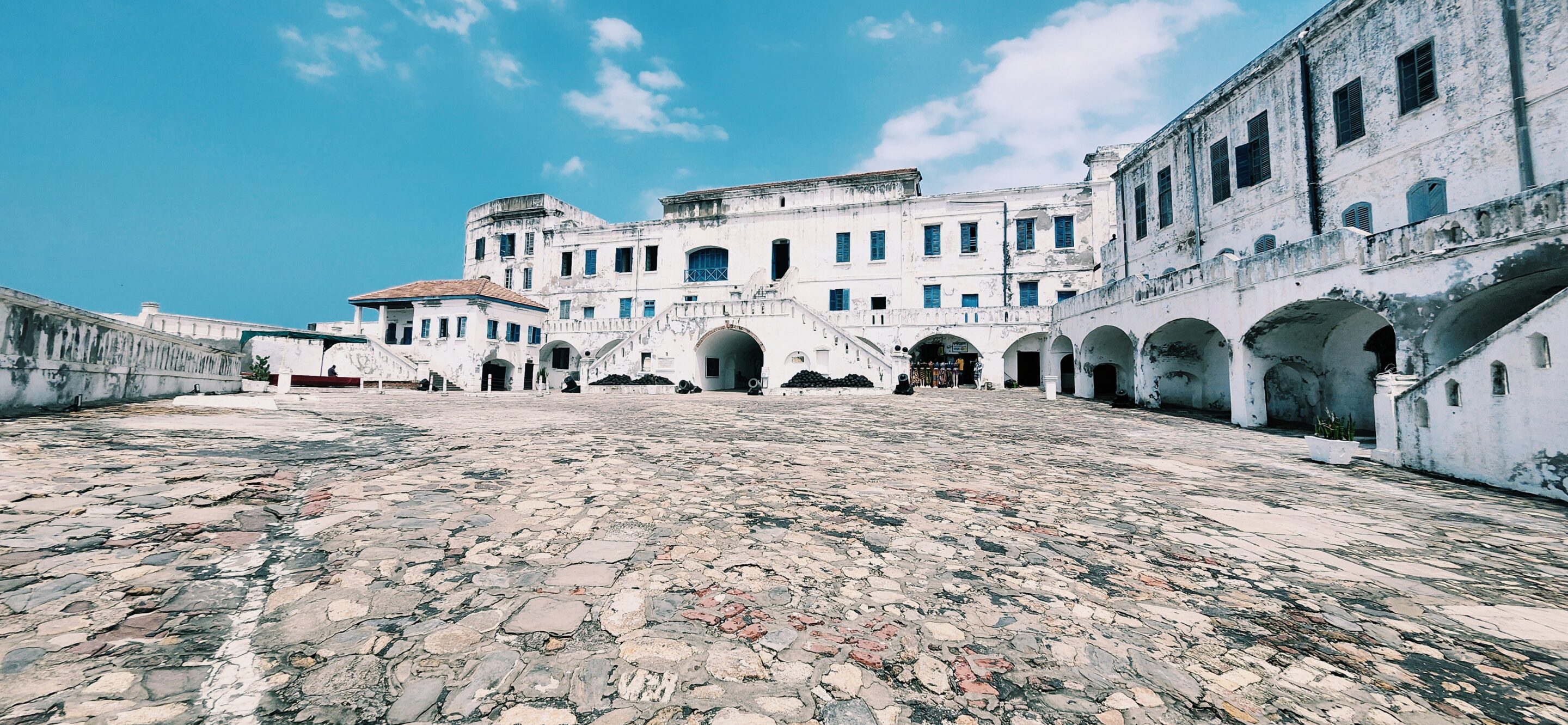
I found the pilgrimage life changing, particularly because I had never experienced a dungeon for enslaved people. In Virginia, we have plantations and the limited remains of other archaeological sites. We certainly hear horrific narratives. However, plantations are often dressed up.
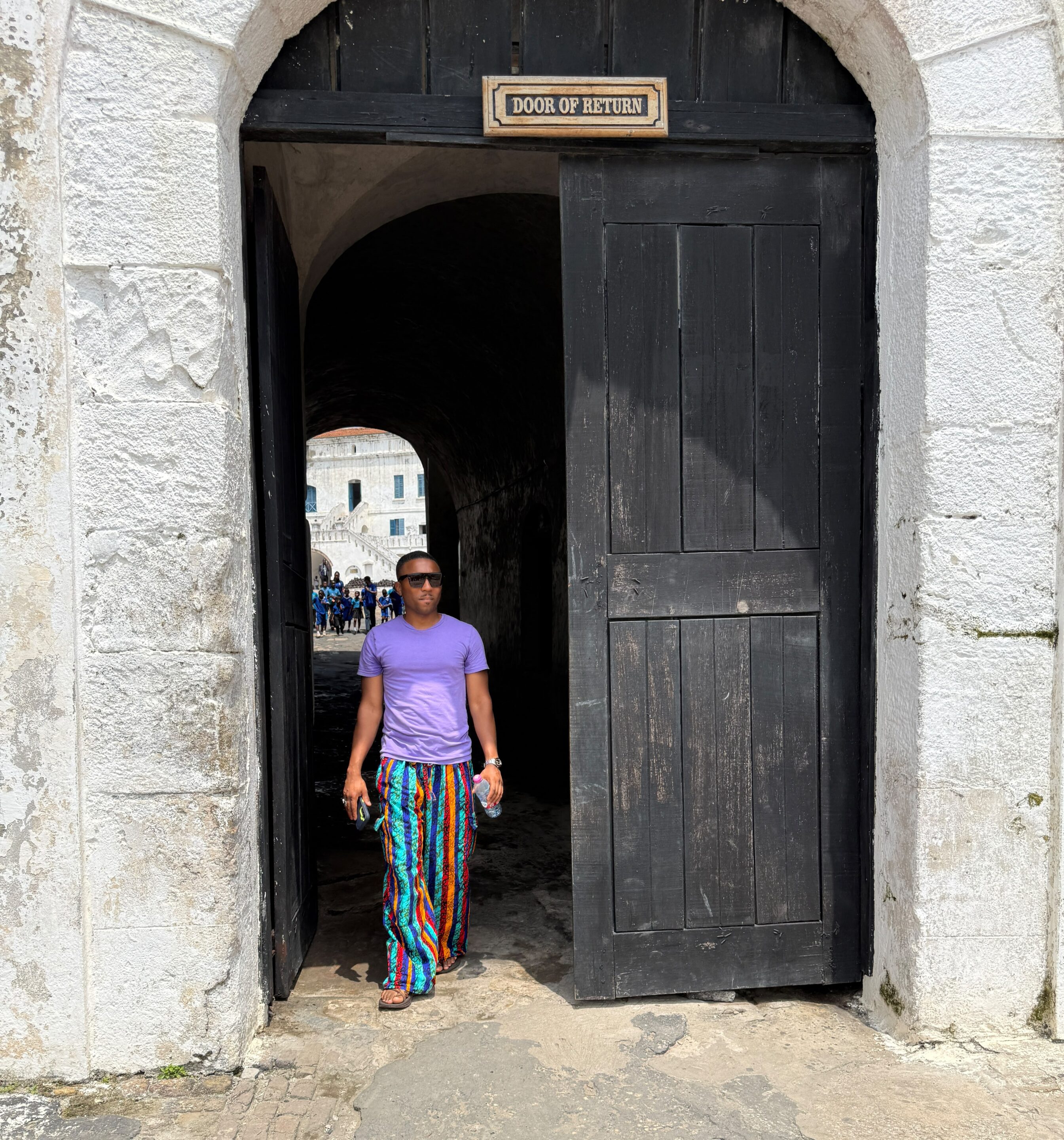
There is nothing elegant about the raw experience of literally walking on a thick layer of sediment composed of the blood, sweat, tears, and excrement of enslaved people. It is unforgettable. The pain of the dungeons is indescribable. I would liken it to how I imagine drowning: being overcome and having no way to help yourself.
Simultaneously, Ghana's landscapes are remarkably lush, productive, and beautiful. We were told that practically everywhere one digs in Ghana, you will find gold. I observed the land's richness and the people's glow.