
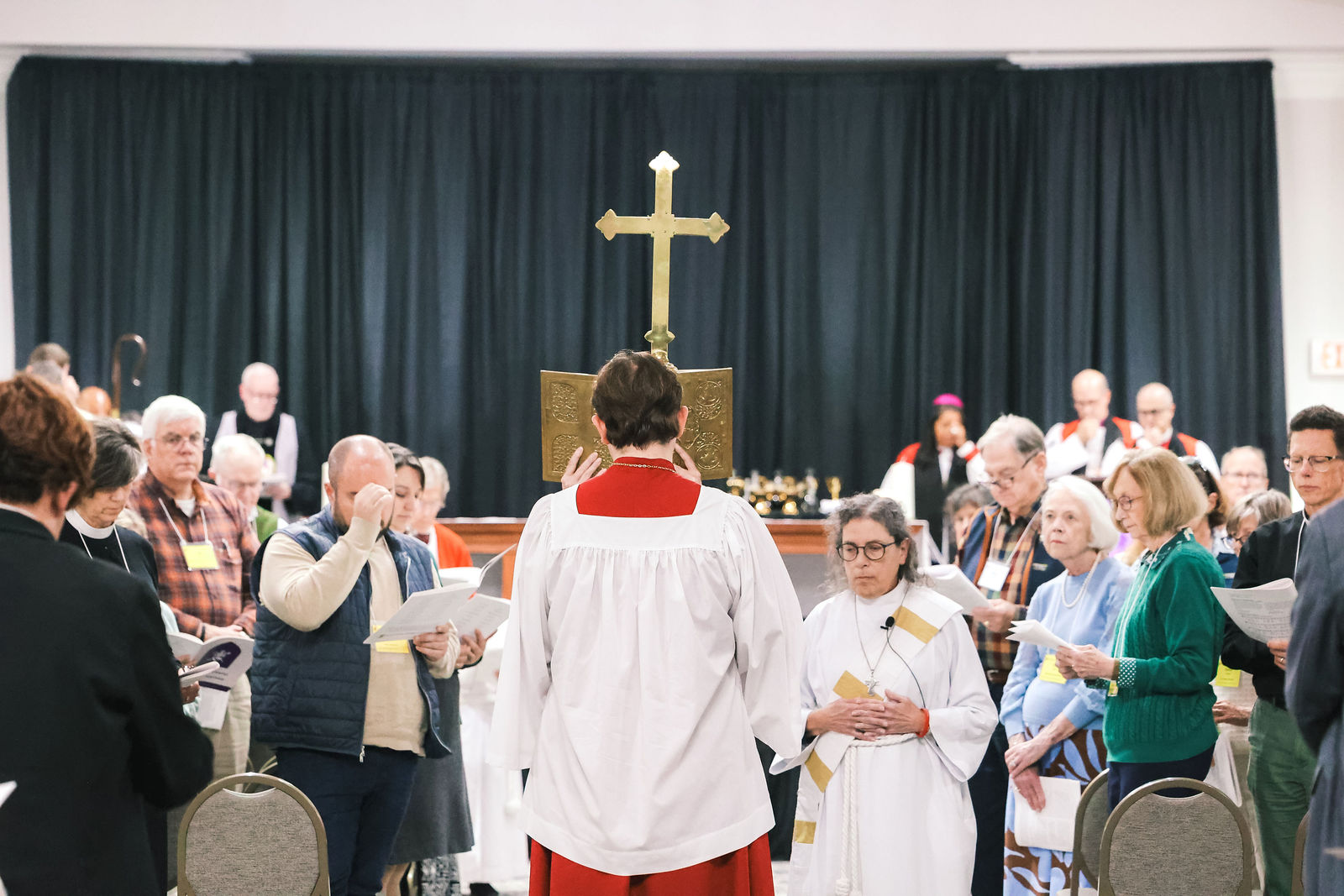
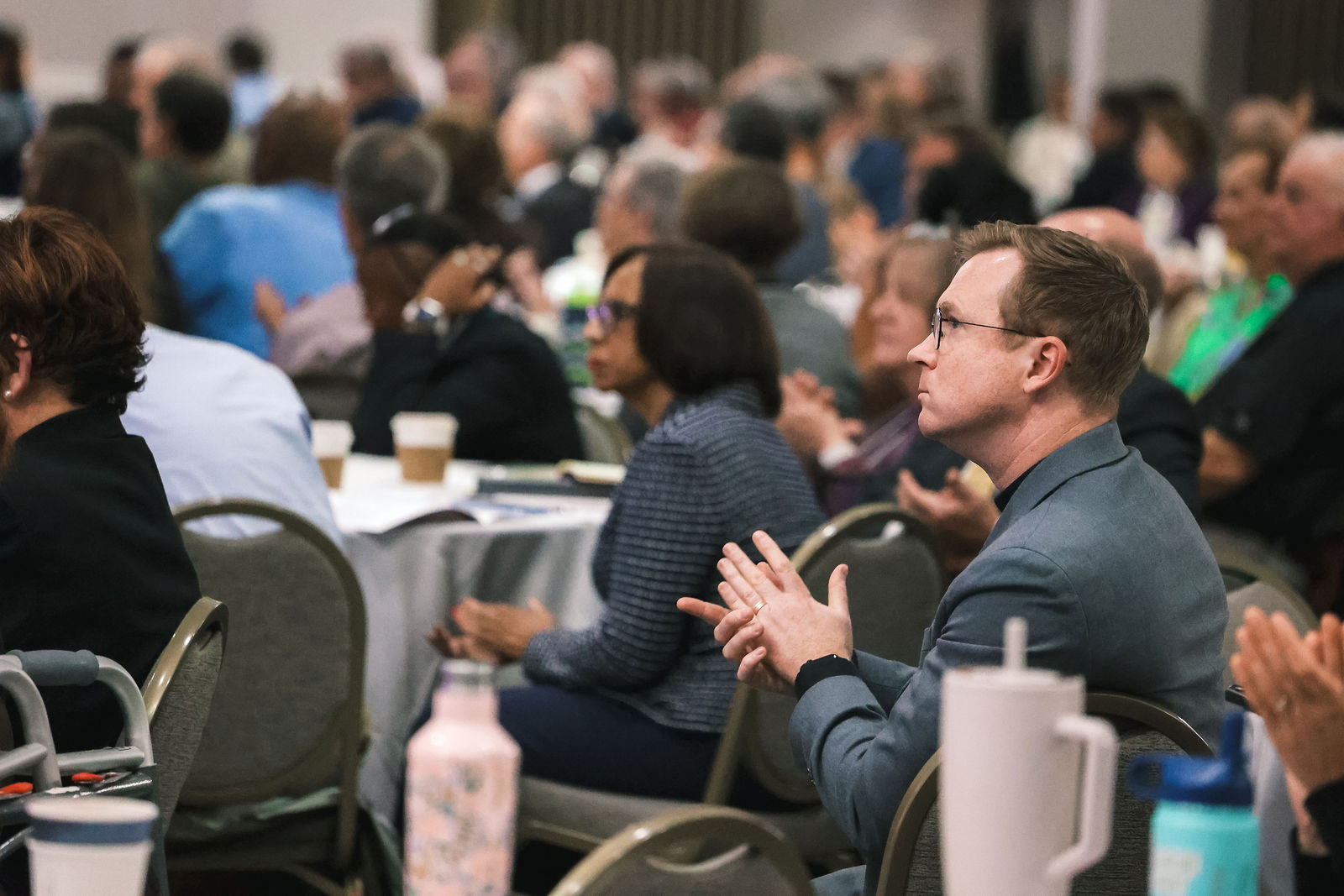
More than 600 delegates, clergy, and guests gathered at the Fredericksburg Convention Center November 5-7 for the 232nd Annual Convention of the Episcopal Diocese of Virginia.
With the theme, “Read the Book. Tell the Story,” the convention attendees focused on returning to the source of faith for unity and justice, by reclaiming holy scripture from modern political and cultural manipulation.
In his pastoral address on the first day of the convention, Bishop E. Mark Stevenson delivered an urgent charge:
“We must re-center ourselves in and with the true love and grace of God in Jesus Christ. We must stand firm at that point where distortion gives way to clarity… We need to read the book, and I mean really read it, because there are those who are telling a version every day on social media, network news, and unfortunately even from pulpits—a story that is manipulated, politically motivated, fear-based, historically inaccurate, theologically shallow, xenophobic, and in many cases connected directly to someone’s bank account.”
Day 1: Thursday, Nov. 5
The Convention was livestreamed in English and Spanish, with Korean translation also available.
The gathering began with solemn evensong, officiated by the Rev’d John Hager and the Rev’d Paige Trivett. Stevenson’s passionate, forward-looking pastoral address included a report on diocesan progress and a bold call to spiritual authenticity in turbulent times.
Growth, Governance, and Staying Connected
Stevenson celebrated signs of vitality across the diocese. Attendance at this year’s convention surged to 611 registered participants, the ministry fair expanded by 50%, and youth engagement quadrupled with 16 youth delegates present.
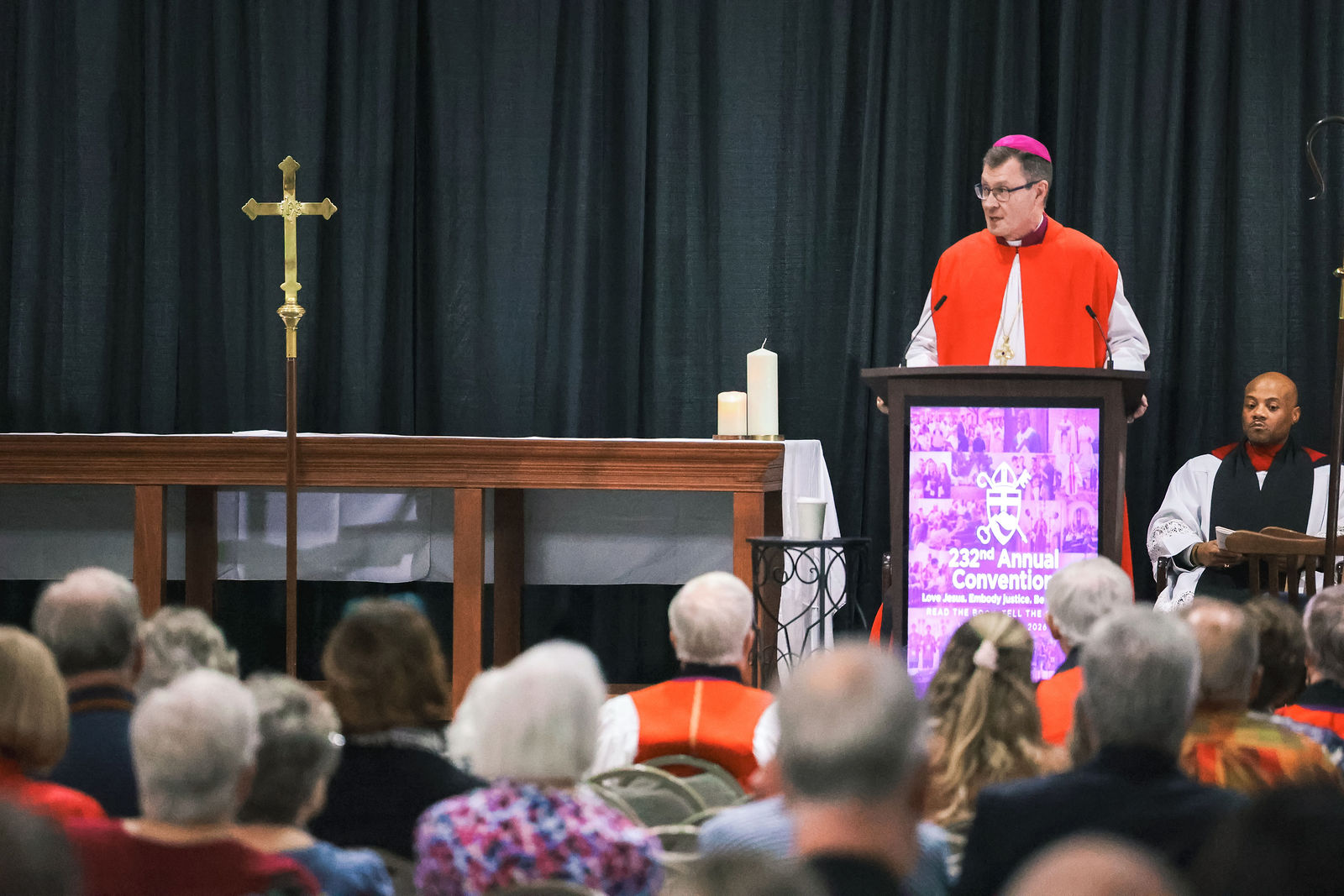
The Bishop paid tribute to retiring Chief of Staff Mark Eastham for his years of counsel, noting that while the diocese will hire a successor, “we will never find his replacement.”
He also detailed a major administrative realignment following the retirement of Canon D’Rue Hazel: naming Canon J. Lee Hill Jr. as Canon to the Ordinary and Dean of the Diocesan Ministry for Racial Justice and Healing to ensure every diocesan initiative is framed through a lens of justice.
To illustrate his point, Bishop Stevenson shared a story from his honeymoon: a historic 500-year-old brewery in Bruges, Belgium, built a two-mile underground pipeline to transport its beer without abandoning its original spring.

“Every drop consumed is connected to a 500-plus-year water source, and there is no confusion about where it comes from,” he said.
Likewise, every aspect of diocesan life must remain directly connected to the Gospel, he added, because “there are forces in this world that want to cut us off from the one true source of life and love.”
Major Progress on Reparations and Local Mission
Stevenson highlighted progress on Resolution R10A, the diocese’s historic $10 million commitment to racial justice and reparations:
- Real Estate Sales: $7.8 million in diocesan property is under contract, with an additional $3.5 million listed or prepared for market, bringing total projected proceeds to $11 million.
- Funding Flow: With real estate closings imminent, the Bishop plans to ask the Executive Board to authorize an initial 4.5 percent draw so the Truth and Reparations Task Force can begin funding.
The Bishop also highlighted grassroots vitality across Virginia—from 54 individuals currently in vocational discernment to $13 million raised toward Shrine Mont’s $15 million capital campaign, and a newly established campus ministry at the University of Richmond.
Countering Distortion and Rejecting Idolatry
Addressing the rise of Christian nationalism and state-sanctioned violence, Stevenson referenced the work of the Rev’d Dr. Kelly Brown Douglas as he called on the church to speak with uncompromised clarity.
“If the movement known as Christian nationalism seeks to baptize borders and empires, or sanctify subjugation and exclusion, we have to read the book and tell the story that Jesus endorses no earthly power, no principality, and that worshipping anything or anyone besides God is idolatry,” he said. “Exclusion and ‘othering’ are, in the words of Jesus’s parables, the ways of weeds and goats, not of wheat and sheep.
“We must, as has been said and written often of late, we must shout out the truth that we cannot kneel before the crucified Christ and at the same time cheer for the machinery of oppression or of death.”
Joy at the Font and Looking Ahead
Bishop Stevenson closed his address by reflecting on a recent visit to La Iglesia de San Jose in Arlington. He baptized a seven-year-old boy who laughed about the chilly water then, when the Bishop told him he was baptized, gave an exuberant “yes!”
That moment, the Bishop reflected, revealed the heart of Christian faith: unburdened by political strife or prejudice, full of the joy and inclusion of God’s love.
“Read the book, my friends,” Stevenson concluded. “Read the book, and then go tell the story so that there be no confusion about what it is, where it comes from, or where it leads.”
The service concluded with a remembrance of clergy who died in the past year and a final dismissal—sending delegates out to begin the legislative work of the convention.
BIPOC Clergy, Delegates Draw Bishops’ Support
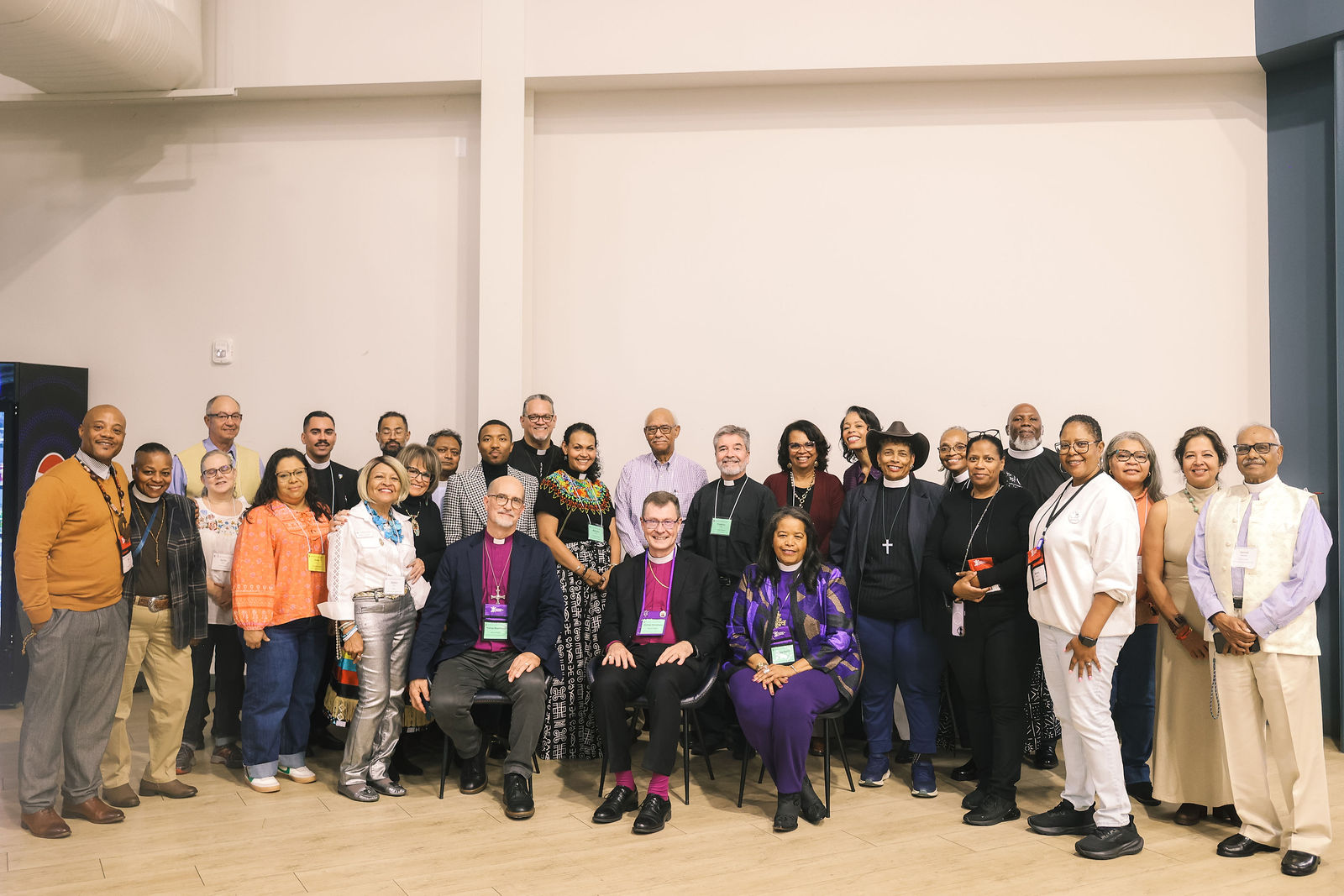
During the Annual Convention’s gathering of BIPOC (Black, Indigenous, and people of color) clergy and laity, all three bishops offered an inspiring and hope-filled vision. The two newest diocesan ministers also introduced themselves and shared their visions for local communities.
The Rev’d Dr. Tammy L. Lewis, Minister for Racial Justice and Repair, invited attendees to host or join an “I Will, With God’s Help” Racial Justice Training Workshop and share ideas on how the diocese can support their ongoing racial justice work in their parish, region, and wider community.
Alongside her, the Rev’d Edgar Otero, Minister for Hispanic/Latino Communities, outlined the first phase of his ministry plan. He is focused on visiting existing Hispanic/Latino communities to listen to their stories, honor their past work, and dream together about how parishes can best serve them moving forward.
The Rev’d Canon Ricardo Sheppard, Canon for Discipleship, addressed the gathering with energy and enthusiasm, emphasizing the importance of building and sustaining community. He reaffirmed his commitment to engaging with the BIPOC community, strengthening relationships, and exploring opportunities for mutual support and collaboration.
Canon Hill offered closing remarks about the deep sense of connection felt throughout the gathering, thanking everyone for their commitment and openness to helping the diocese to embody Christ’s spirit of love and justice. He encouraged attendees to carry that same spirit of listening and collaboration back into their own parishes, as they “read the book and tell the story.”
Day 2: Friday, Nov. 6
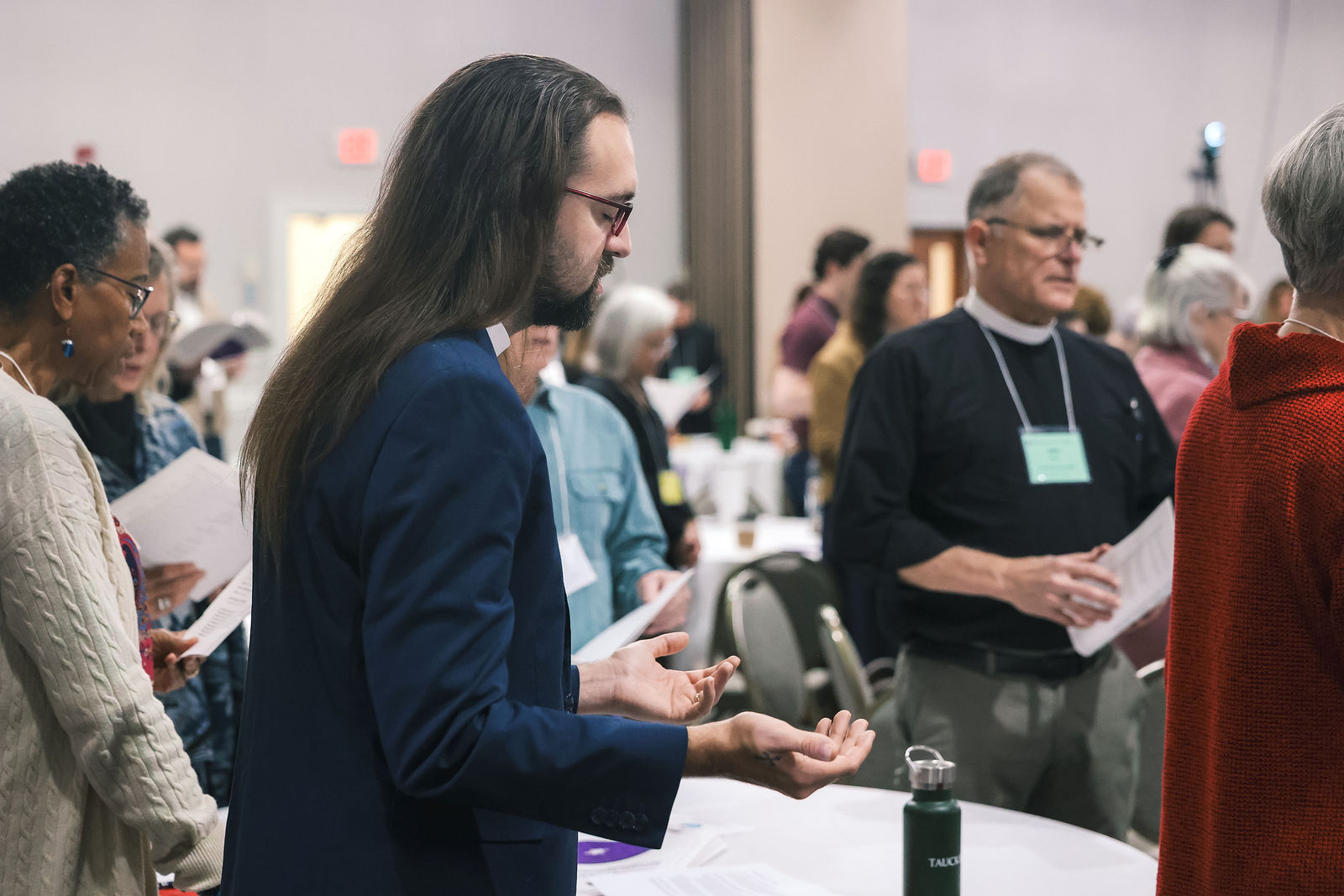
The convention’s second day opened with Morning Prayer, then Stevenson called the convention to order with a land acknowledgement recognizing the ancestral grounds of the Patawomeck, Rappahannock, and Manahoac nations, as well as honoring the history and labor of enslaved Native Americans and Africans.
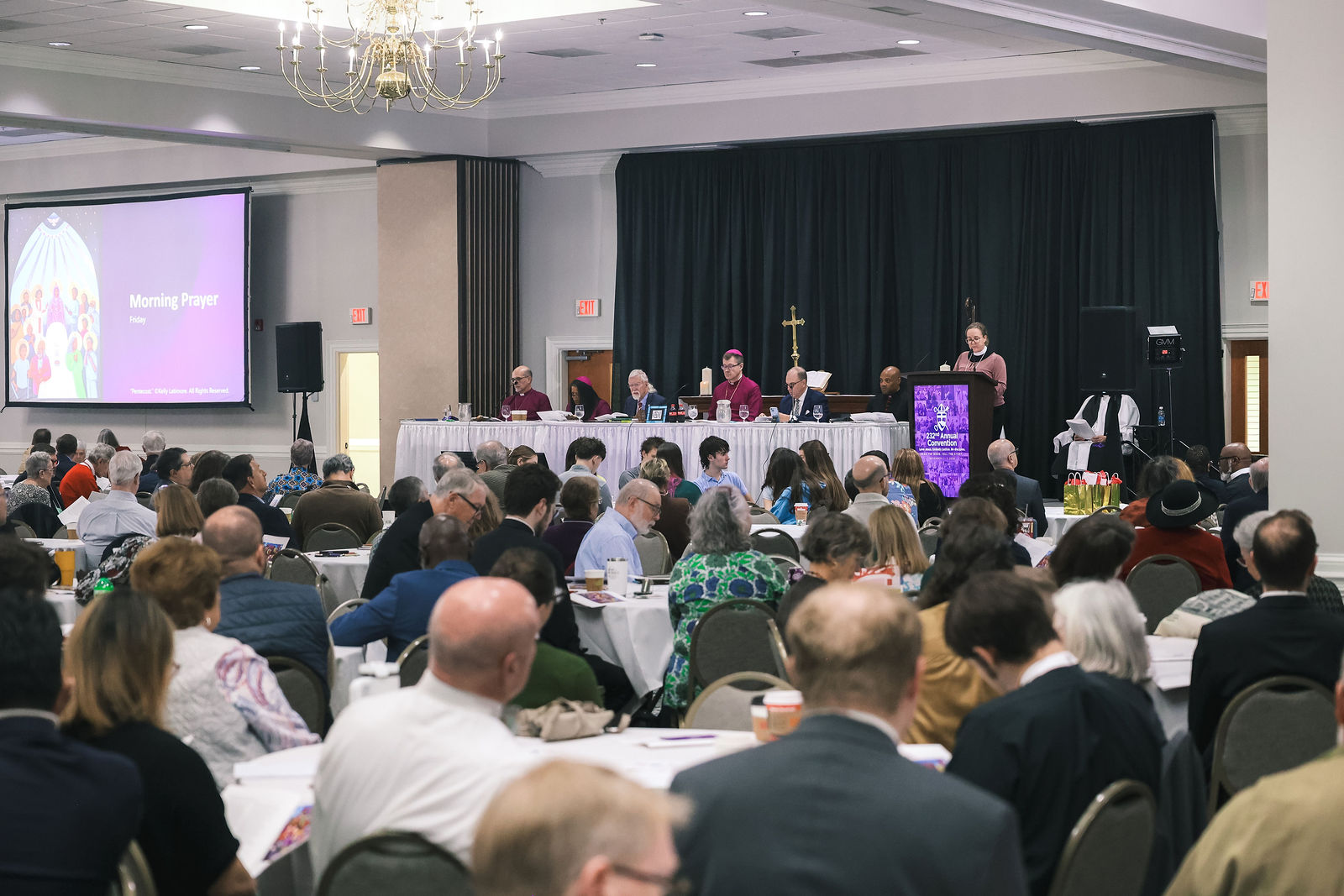
Stevenson appointed Mark Eastham as Secretary of Convention, J.P. Causey, Jr. as Parliamentarian, and John A. C. Keith as Assistant Parliamentarian, before introducing the chairs of the legislative committees. The convention adopted Rules of Order and program.
Delegates efficiently handled the official business of the church by passing the Consent Agenda, which encompassed multiple constitutional and canonical amendments, reports from related organizations, and resolutions celebrating global mission efforts and encouraging participation in the Good Friday Offering.
The morning featured several celebrations.
Youth Delegates
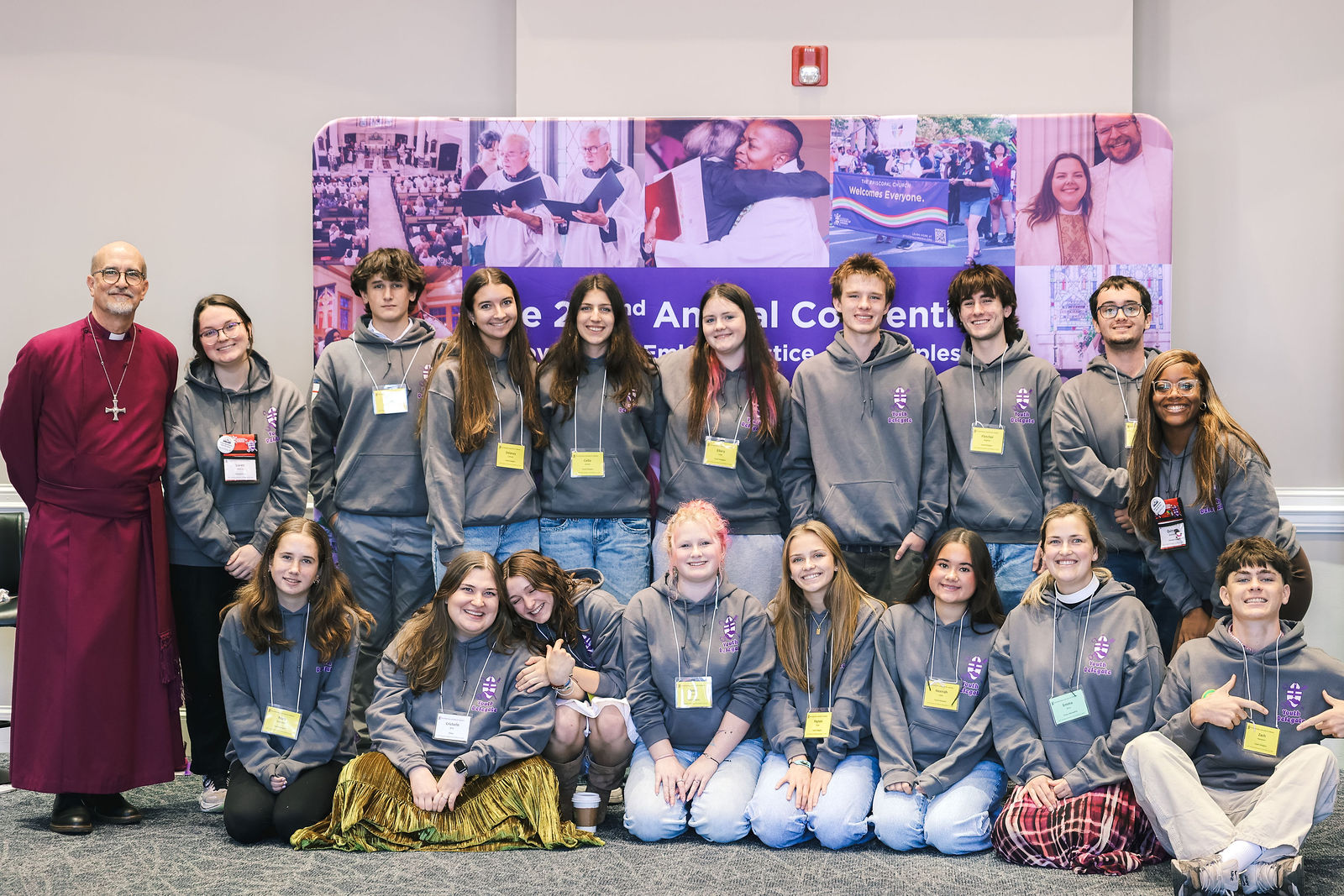
A highlight of the opening session was the introduction of the diocesan youth delegates: Gillian Boam, Peyton Boyd, Neenah Clark, Nora Kuykendall, Finnula Lopez, Weston Moats, Rachel Morton, Jazmine Marie Pellot, Kruse Rudisill, Patrick Ryan, Celia Schultz, Fletcher Stephens, Anna Tuttle, Zachary Thompson, Amelia Whelband, and Esme Woodhead, along with alternates Delaney Caldwell and Ellery Cone.
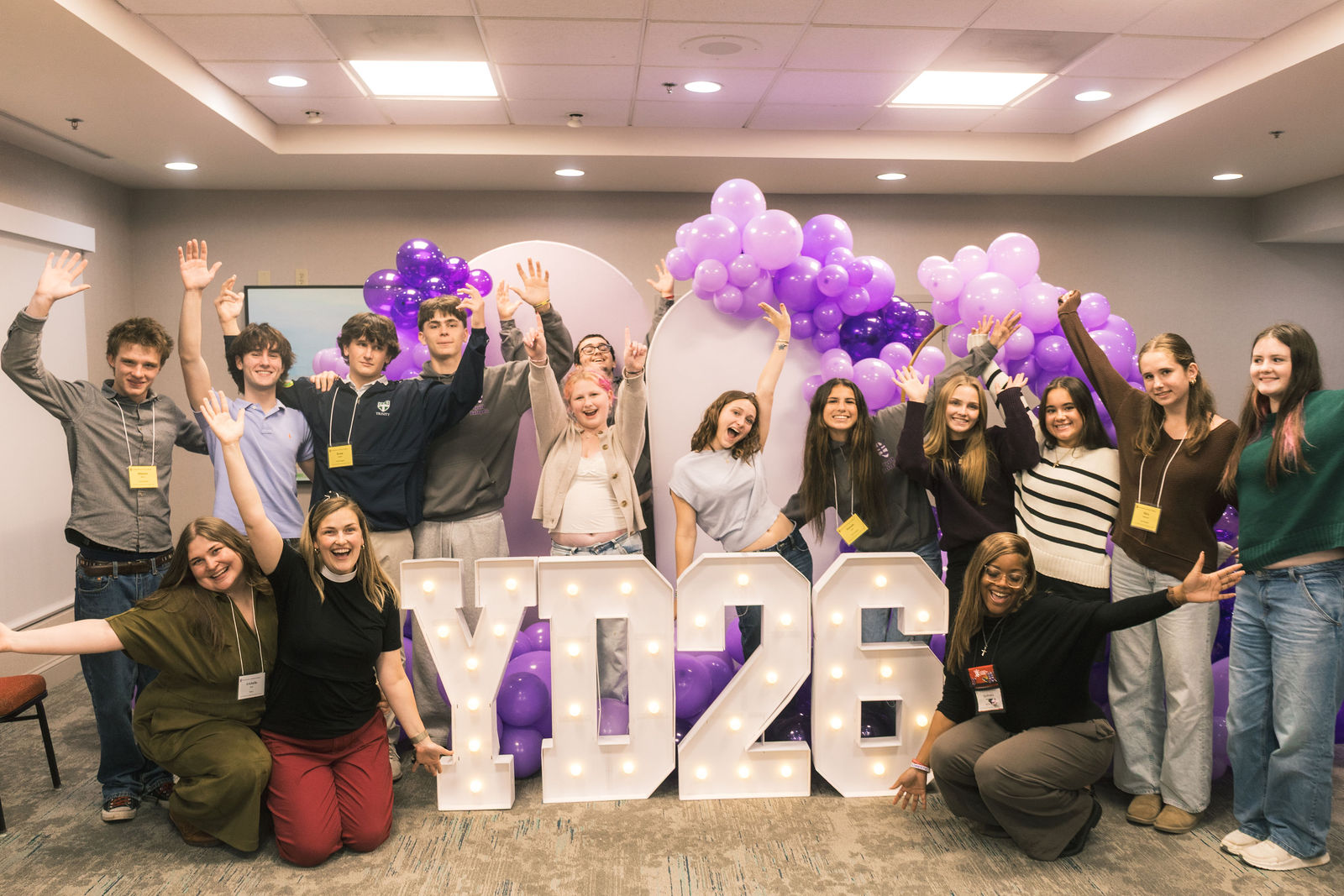
Stevenson commended the expanded youth delegation and thanked coordinators the Rev’d Emma Brice, Crichelle Brice, and staff member Quimara Bedminster.
Collegiate Delegates
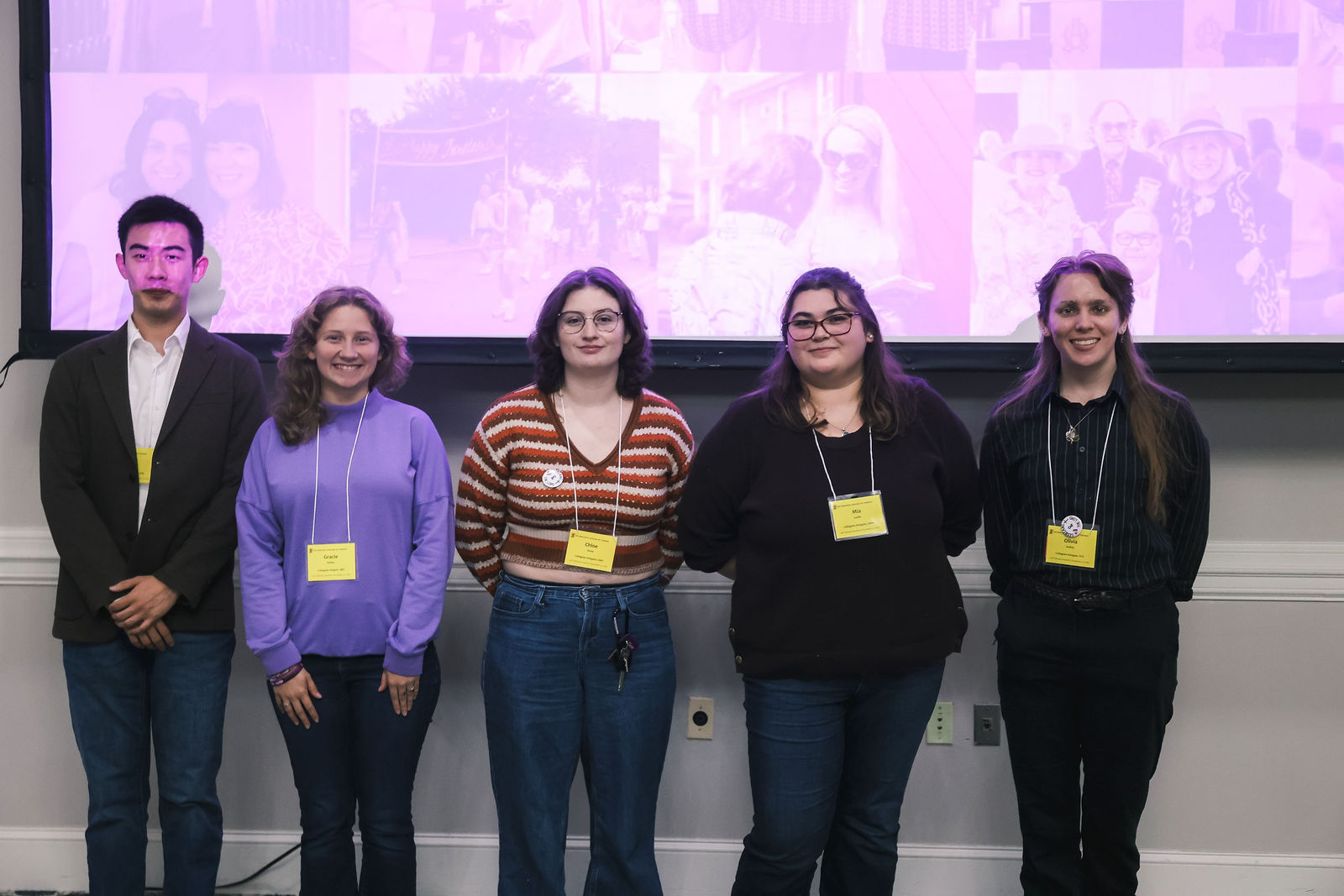
Five collegiate delegates were recognized for participating in the life and governance of the diocese: Henry Wang (University of Virginia), Gracie Rollins (James Madison University), Chloe Stone (George Mason University), Mia Guille (University of Mary Washington), and Olivia Andres (Virginia Commonwealth University).
College Campus Ministers
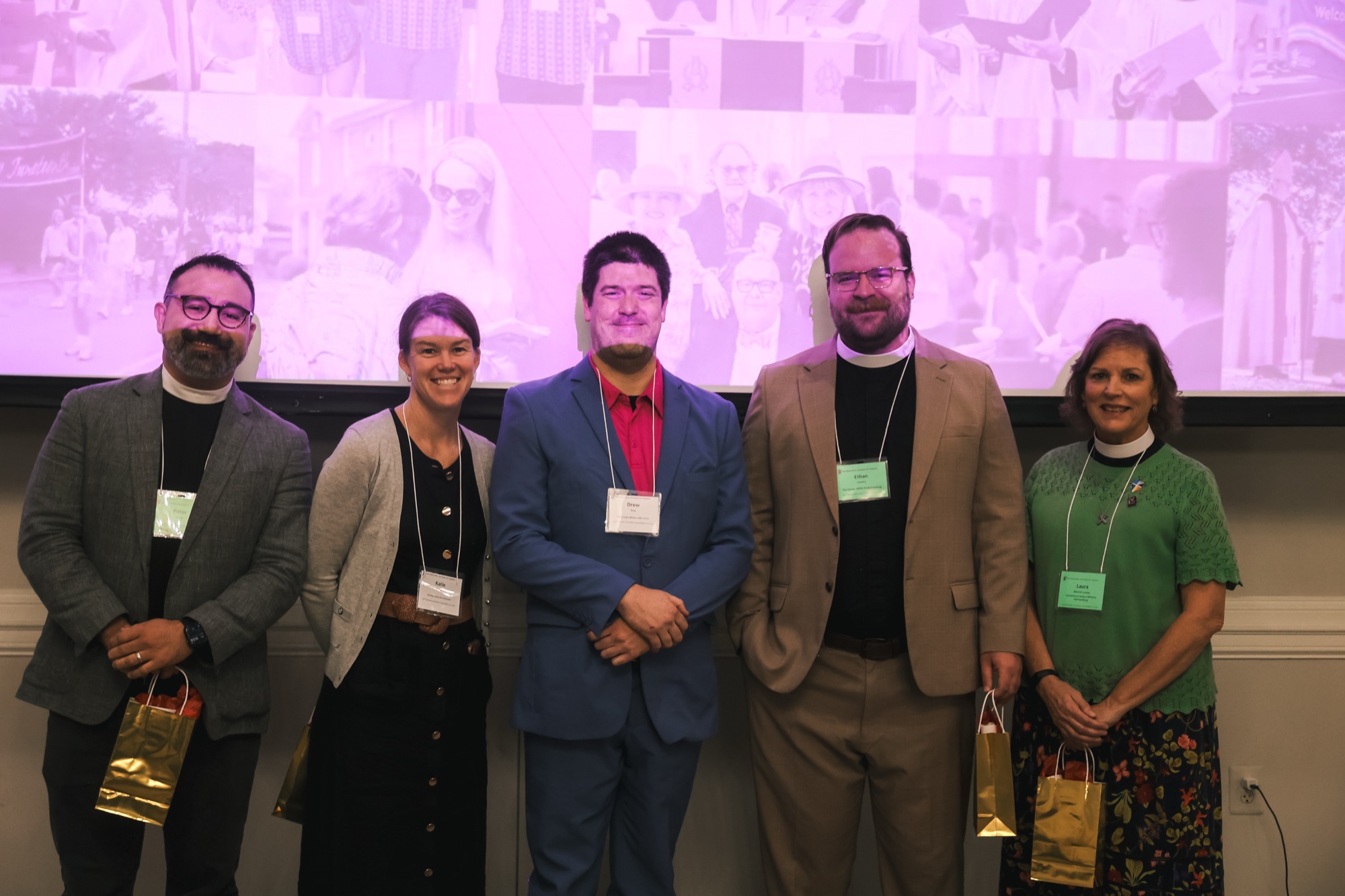
The convention honored leaders of the vital work happening on college campuses across the diocese. Five chaplains and ministry leaders received a token of appreciation: the Rev’d Peter Kang (The University Fellowship, University of Virginia), the Rev’d Katie Gooch (The Pace Center, Virginia Commonwealth University), the Rev’d Drew Ensz (ARISE, George Mason University, the Rev’d Ethan Lowery (The House, University of Mary Washington), and the Rev’d Laura Lockey (Canterbury House, James Madison University).
Other Honorees
Outgoing regional deans (the Rev’ds Robin Razzino, Katherine Dougherty, Stephen Schlossberg, and Susan Pinkerton) were thanked for their service, and incoming deans (the Rev’ds Anne Turner, Kevin Newell, Emily Dunevant, and Nick Hull) were introduced.
Visiting leaders were recognized, including keynote speakers the Rt. Rev’d Craig Loya (Bishop of Minnesota) and the Very Rev’d Ian S. Markham, Ph.D. (Dean and President of Virginia Theological Seminary and President of The General Theological Seminary). The convention also held a solemn moment of prayer for the late Anna Lou Flynn, former ECW President and board member.
Postulants, candidates, and individuals ordained to the diaconate and priesthood over the past year were celebrated for their commitment to church leadership.
Meet Me in Galilee Award
The morning session concluded with the presentation of the annual Meet Me in Galilee Award, which honors leadership in racial reconciliation, justice, and the dignity of every human being.
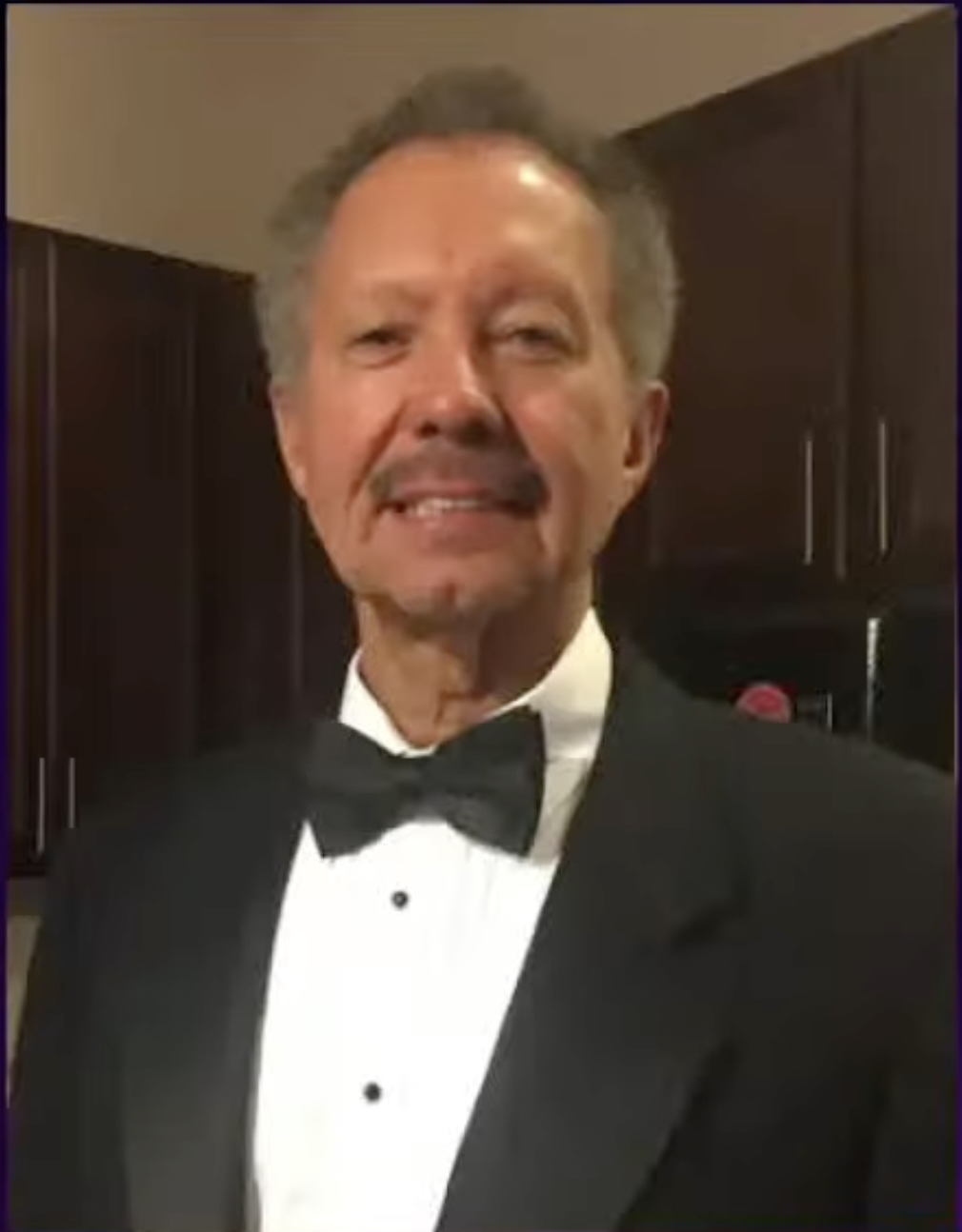 This year’s award was presented posthumously to James “Jim” Carlock of Trinity, Fredericksburg, who chaired his parish’s Committee for Racial Healing. In making the award, Stevenson said:
“Jim lived his calling to the work of racial justice, healing, and repair with quiet courage, unwavering persistence, and a servant’s heart. Throughout his ministry across this diocese and within his local community, Jim was a cornerstone in the ongoing work of racial justice and healing. He understood that true reconciliation is not merely a noble sentiment but an active daily spiritual practice. Whether organizing, listening, educating, or standing in solidarity, Jim consistently invited others to pull up a chair, face hard truths, and do the necessary work of building God’s beloved community. While we mourn his passing and miss his wise counsel, warm spirit, and steadfast presence, we celebrate a life beautifully lived in service to the gospel. By honoring Jim with this award, we thank God for his enduring legacy which continues to illuminate the path toward justice, restoration, and peace for our entire diocesan family.”
Stevenson also posthumously named Carlock, who had talent and interest in administration, as an assistant parliamentarian for the convention.
Accepting the award on his behalf were a delegation from his family and church including his wife Maizel Carlock and the Rev’d Suzanne Hood, rector of Trinity, Fredericksburg.
Video: Despair into Hope
The convention audience watched a new short feature about the Triangle of Hope youth pilgrimage tracing the historic transatlantic slave trade route between Liverpool, West Africa, and Virginia.
Traveling through Ghana, young pilgrims visited slave dungeons and the historic “last bath” site, confronting painful details of history often omitted from school curricula. The journey creates space for participants to engage historical truth directly while reclaiming a legacy of grief. The result: a path toward healing and understanding.
The youth participants reflected on the enduring nature of intergenerational trauma and systemic impacts of slavery that persist. Emphasizing the sacred responsibility of truth-telling, the pilgrimage travelers shared how the experience broadened their perspectives, calling on communities to own past mistakes, cultivate radical empathy, and actively work to prevent future injustice.
Personal Testimony from Triangle of Hope Pilgrimage
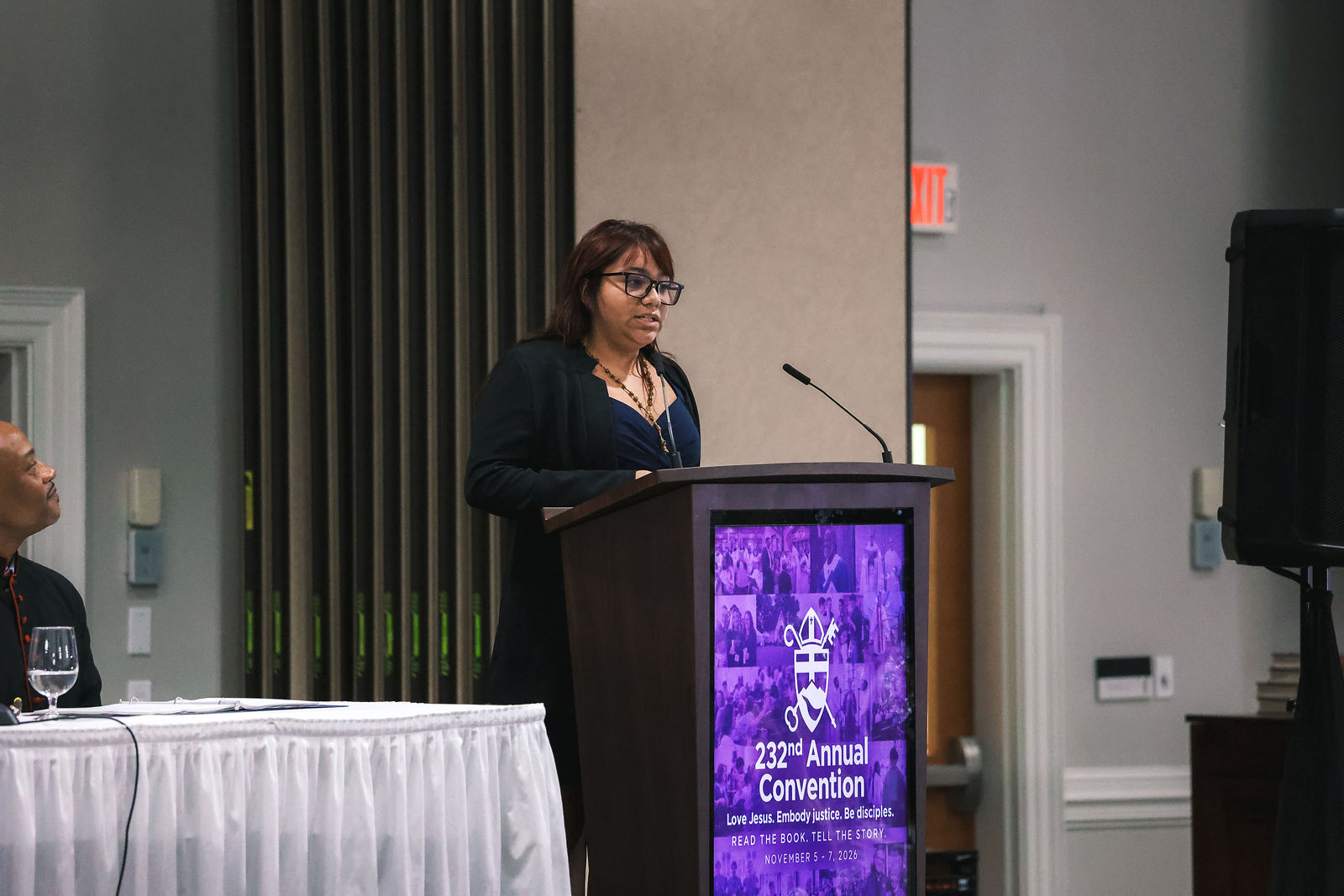
After the video, high school senior Isabella “Bella” Cuellar Baldelomar received a standing ovation for her speech of emotional depth and spiritual clarity.
A participant in the Triangle of Hope pilgrimage since age 13, she shared a harrowing account of standing in complete darkness within the Cape Coast Castle slave dungeons in Ghana, inviting convention delegates into the claustrophobic reality of historical horror. Then she traced her path toward hope, repentance, and action.
She concluded by singing in Spanish a song from her home parish, La Iglesia de Santa María in Falls Church, with lyrics reminding the assembly, “Let there be no distinction based on race. We are sisters. We are brothers in God’s grace.” She then led the room in prayer for those lost souls “far away from home, those without names, without graves to honor them.”
By bridging historic lament with an urgent call to racial justice, she offered a powerful testament to the transformative leadership emerging from the diocese’s youth.
Keynote Speaker: The Very Rev’d Ian S. Markham
The Very Rev’d Ian S. Markham, Ph.D., Dean and President of Virginia Theological Seminary, spoke on “Developing Biblical Literacy in a Congregation.”
How do parishes move from simply respecting the Bible to actively reading, questioning, and living into its stories? This keynote conversation was designed to equip and empower leaders with actionable strategies to cultivate biblical literacy across all ages in the parish.
Markham urged delegates to embrace the Bible as a central guide for their daily lives.
Markham warned against simplistic or political misreadings of scripture. He reminded the assembly that Episcopalians read the Bible through the lens of God’s love shown in Jesus, which consistently calls believers toward forgiveness, generosity, and care for those on the margins.
“We’re a biblical tradition, and every single Anglican and every single Episcopalian needs to read the text of scripture often and seriously.”
He emphasized that reading scripture requires honest reflection, prayer, and a willingness to stay in conversation with people who hold different views.
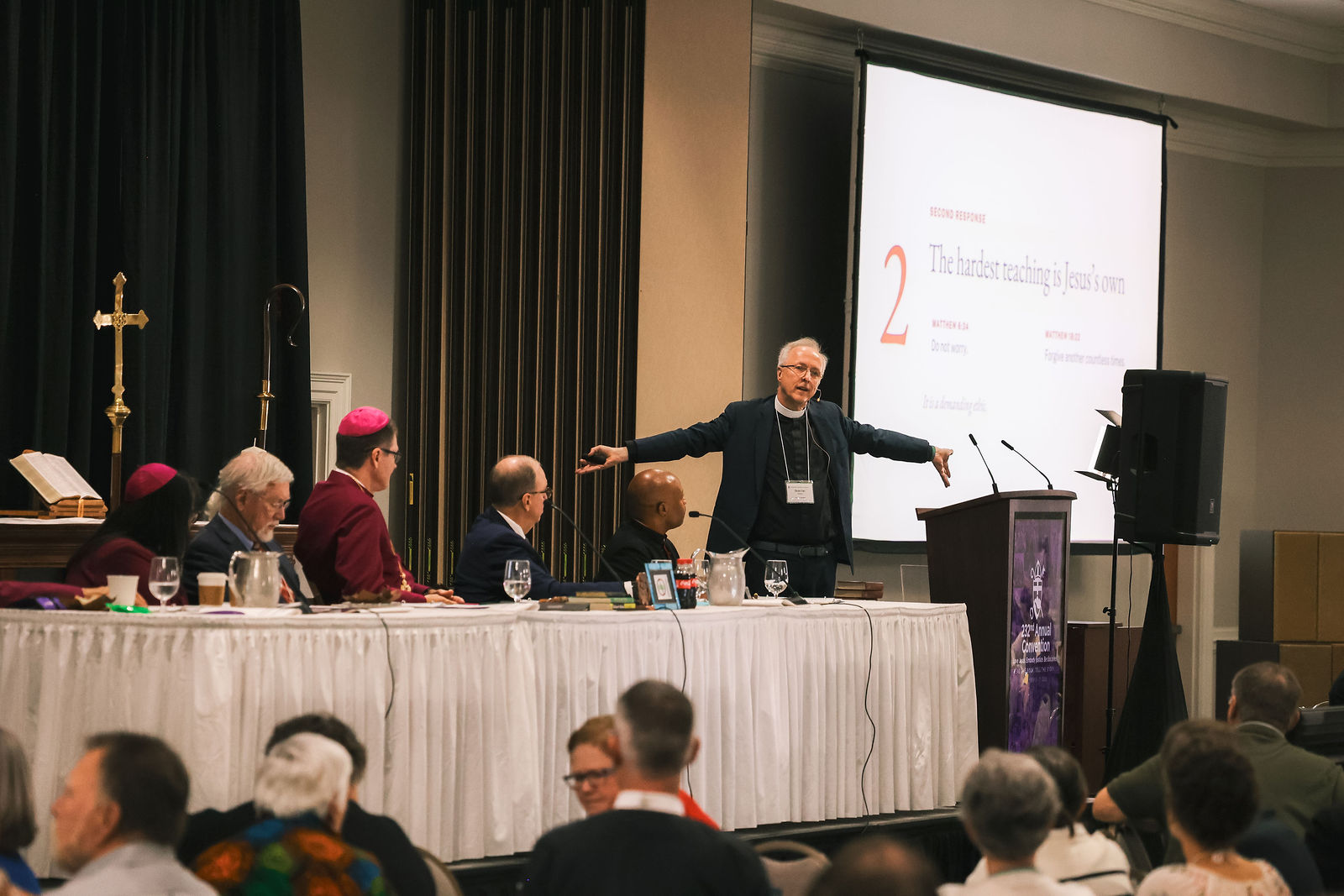
Addressing the spiritual effort required to share God’s word, Markham shared a clear boundary for clergy that drew applause:
“No clergy person should use generative AI to create a sermon.
“The act of preparing the proclaimed word to a congregation is a holy work that should be done by a priest in prayer.”
Video: Next Steps for $10 Million Truth and Reparations Fund
In a video update to the convention, the Truth and Reparations Task Force shared progress on managing and distributing the diocese’s initial $10 million reparations commitment.
Moving away from traditional grant-making models to avoid paternalistic reporting requirements and bureaucratic barriers, the task force is exploring a regional allocation model built on local wisdom and direct partnerships with grassroots providers.
Priorities for funding include historically Black parishes, documented descendant communities, and local non-profits already engaged in neighborhood-level justice work. In addition to financial endowments, the diocese is evaluating non-monetary assets, such as unused church properties, historic archives, and shared diocesan expertise.
Over the next six months, the task force plans to establish clear regional communication routes and launch a centralized digital resource hub to share updates and answer frequently asked questions.
Keynote Speaker: The Rt. Rev’d Craig Loya, Bishop of Minnesota
The Rt. Rev’d Craig Loya, 10th Bishop of the Diocese of Minnesota, spoke on the topic, “Gospel Living in Minnesota.” What does it mean to live, love, and proclaim the Good News in our local landscape?
Moving beyond abstract theology, his presentation offered practical vision and shared wisdom on how faith takes root in our neighborhoods, rural communities, and urban centers—and engages the work of biblical justice.
Loya, a third generation Mexican-American, challenged delegates to consider how dedicated biblical formation shapes a community’s social action.
Loya introduced the imagery of church forests in the northern highlands of Ethiopia, where sacred groves surrounding round churches serve as lush icons of God’s original vision for creation amid a deforested landscape. He suggested that local congregations act as “small forests” formed to practice the presence of God, bear witness to divine promises, and resist forces turning the world into a desert.
Rooting social action in the overall arc of scripture, Loya pointed to Acts 17:6 to illustrate how the gospel calls believers to participate in healing the world with love.
“Love that is shaped like the cross looks like revolution. It looks like turning the world upside down.
“The politics of Jesus, the politics of the Holy Scriptures are never those of the right or the left. They are always a third way. They’re the way of unlimited mercy, and they are the way of unmerited grace.”
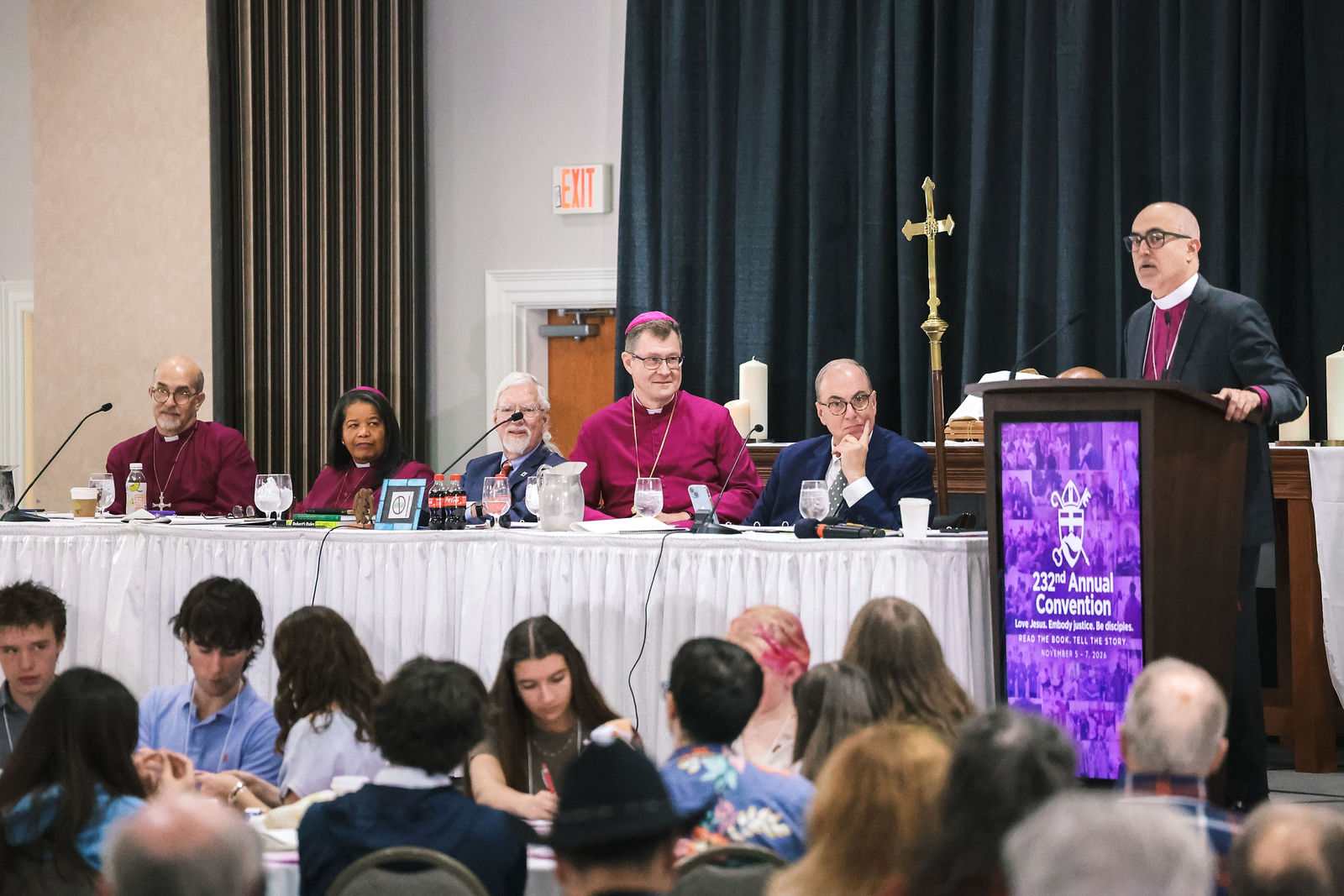
Illustrating this vision with concrete stories from Minnesota, Loya shared how local congregations mobilized during times of crisis by building on existing spiritual formation rather than top-down administrative plans.
He detailed how residents at Episcopal Homes provided laundry services for neighbors unable to leave their apartments, how a small Minneapolis parish scaled up its food pantry to deliver groceries to thousands of families, and how St. Paul’s in Duluth raised $20,000 at Easter to buy and forgive over $3 million in local medical debt.
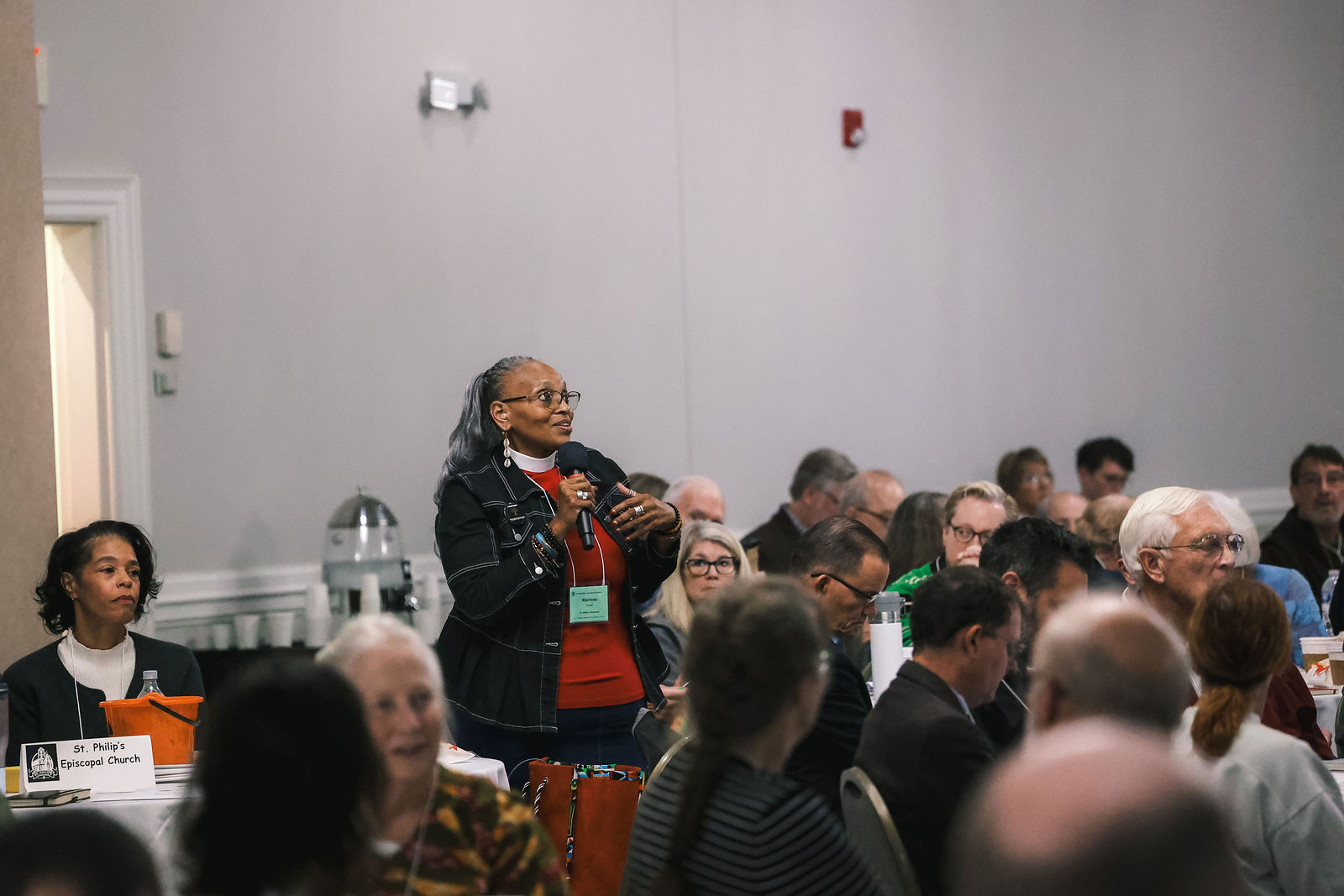
During the Q&A session with Loya, delegates discussed local initiatives, including campus ministry leadership, food pantry outreach, and immigration support networks.
Loya emphasized that sustainable community work relies on genuine friendship, deep discipleship in small groups, and a willingness to embrace small actions paired with great love.
Video: 10 Churches Trying New Ways for Kids to Fully Participate
The convention audience viewed a short video update highlighting the progress of the Pathways to Prayer and Practice, and the work of its first 10 cohort churches. They recently gathered at Shrine Mont to incubate ideas at an event called the Hatchathon.
Led by program director Tyler Henderson, the initiative focuses on empowering children as full members of the body of Christ whose voices and leadership directly shape congregational life.
Through a structured design thinking process, leaders, parents, and volunteers are shifting away from deficit-based thinking toward asset-based possibilities. Rather than dwelling on post-pandemic attendance drops or resource limits, cohort teams are collaborating, swapping practical ideas, and developing tailored project plans to rebuild vibrant intergenerational worship cultures.
Supported by mentors, training, and ongoing peer connections, participating leaders express renewed energy for creating meaningful roles for children within their parishes.
Also on Convention Day 2
Chief of Staff Mark Eastham took a moment to recognize retiring staff member Bill Martin, who joined the diocese October 1, 2012.
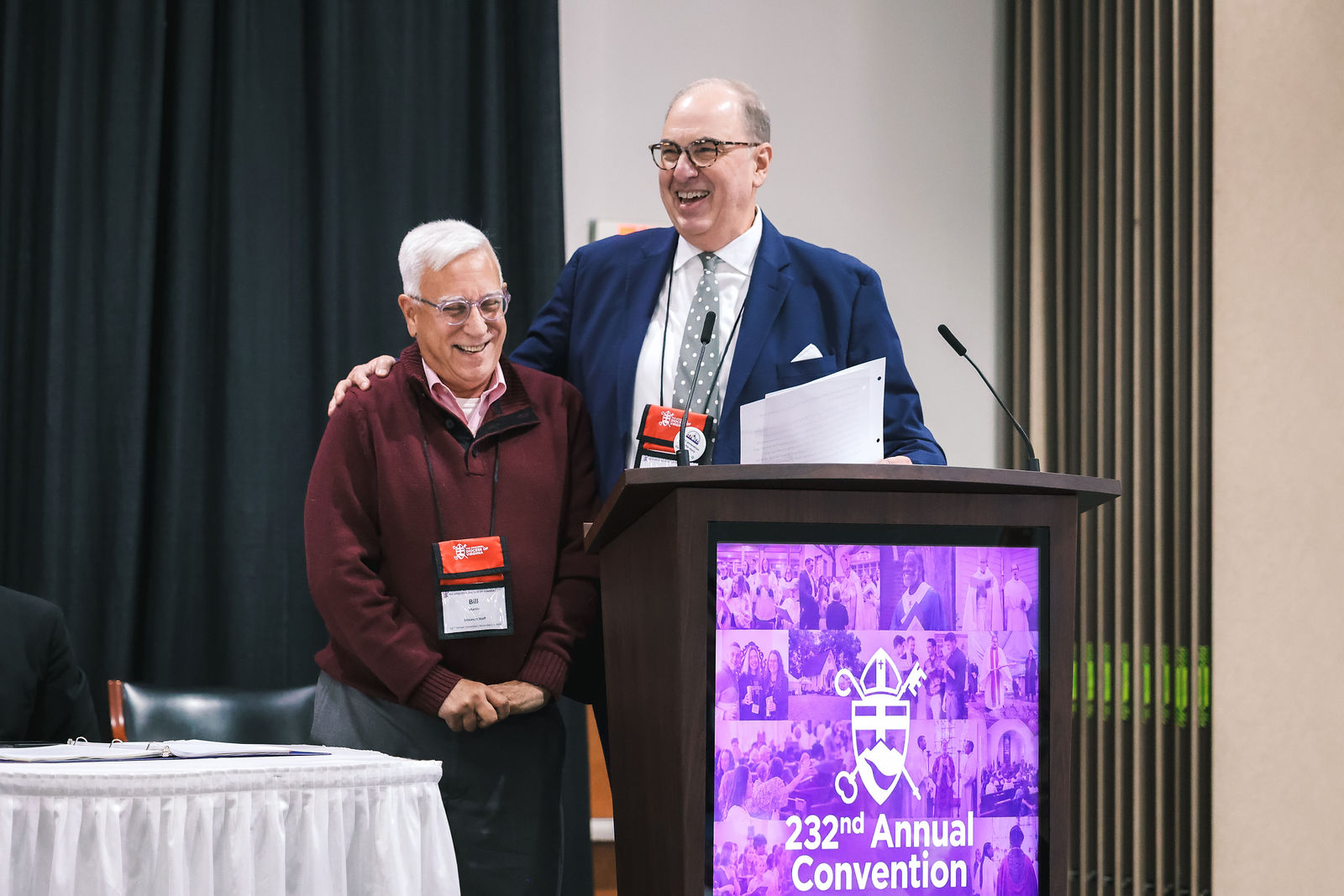
“Bill has served alongside three diocesan secretaries, providing invaluable support to the governance and administration of our Diocese,” Eastham said. “His work has included coordinating Annual Convention, supporting the Executive Board, Standing Committee, Deans, and the Shrine Mont Board, and serving as a trusted resource for clergy, parish leaders, and diocesan leadership.
“His depth of knowledge of our Constitution and Canons, our Annual Convention, and all governance structures is unsurpassed. He is the first call for many in our diocese who know that he will get them the information they need. Bill works with kindness and humility. He has been a valued colleague and friend to me, and he will be missed greatly.”
The convention observed noonday prayer, and after lunch, people attended workshops, the ministry fair, and the Art Show provided by the Association of Visual Artists of the Diocese of Virginia.
They visited the Shrine Mont Camps table and representatives from each congregation picked up their 2027 Camp brochures. Family Camp will be celebrating its 75th anniversary next year.
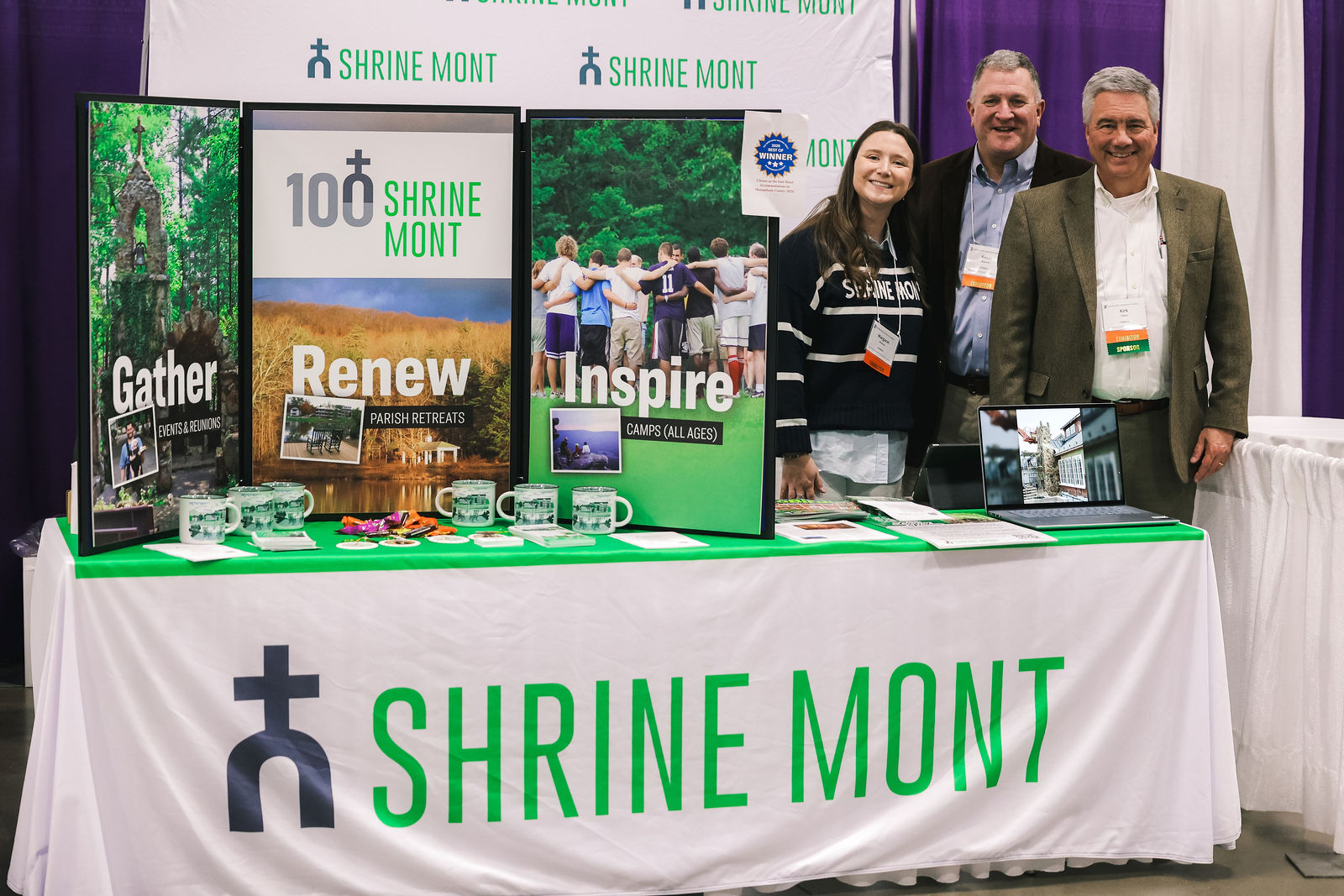
Attendees also met Rosie Beggs, a five-summer camper at St. George’s Camp who was stationed at the Shrine Mont display, handing out t-shirts from summer 2026 in exchange for a recommended $15 donation to the Camp Annual Fund.
Assistant Bishop Gayle Harris invited delegates to join her on a pilgrimage to the Holy Land coming up May 9-20, 2027.
Friday’s Bilingual Eucharist
The convention gathered for an evening Eucharist structured as a fully bilingual worship experience, reflecting the shared, multicultural ministry of the Episcopal Diocese of Virginia. Led primarily in Spanish with parallel bilingual bulletins, the service brought delegates together to pray, sing, and respond in a shared expression of diocesan unity. Minnesota Bishop Greg Loya was the homilist and the Rev’d Edgar Otero was the celebrant. Otero is the Minister for Hispanic/Latino/Hispanic Communities.
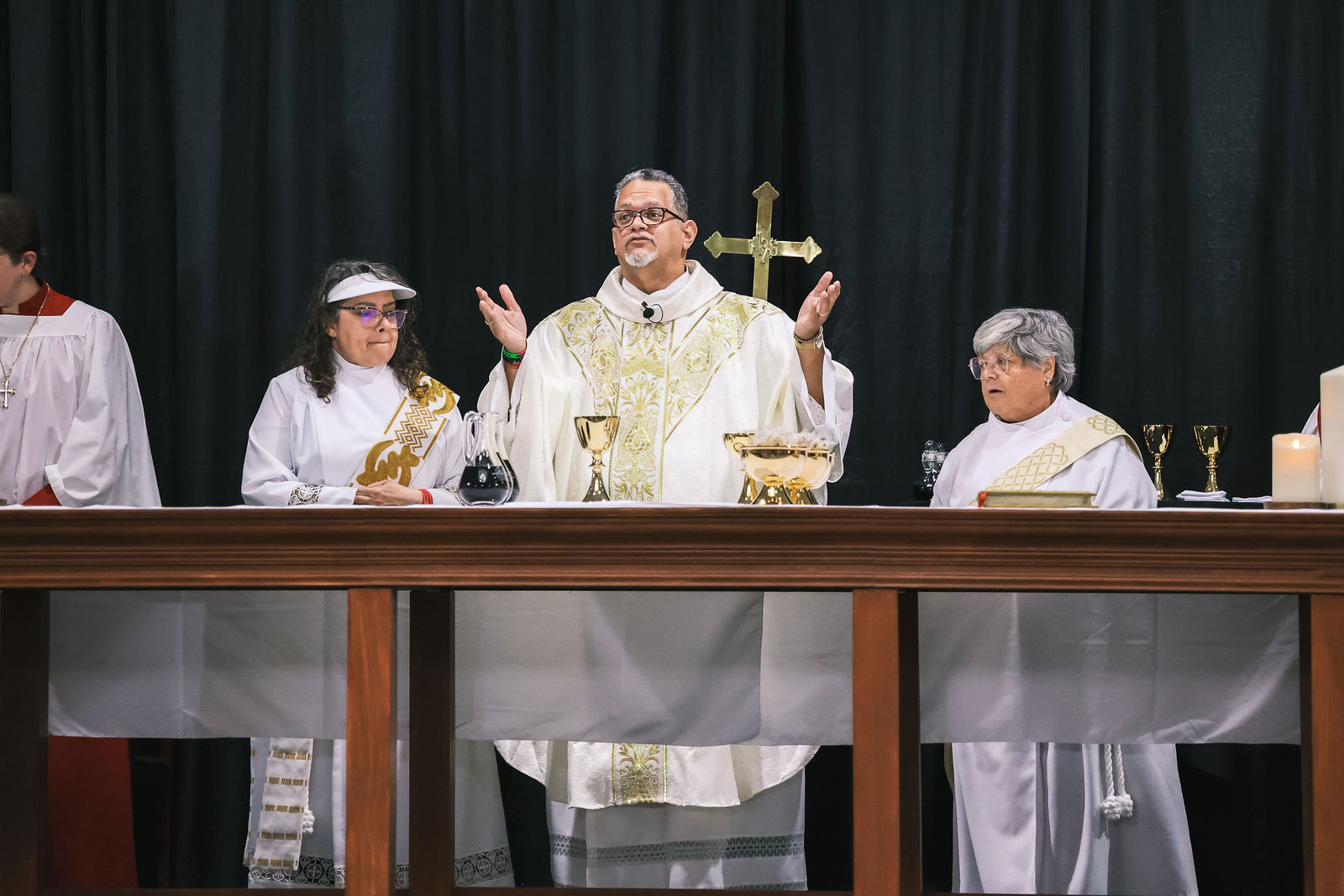
Loya focused on light and hope in complex times. Recounting a personal story of walking through Hezekiah’s Tunnel beneath Jerusalem—wading alone through dark, waist-deep water before catching sight of flashlight beams and hearing the joyful singing of youth ahead—Loya reminded the worshipers that they never walk through fear or uncertainty alone.
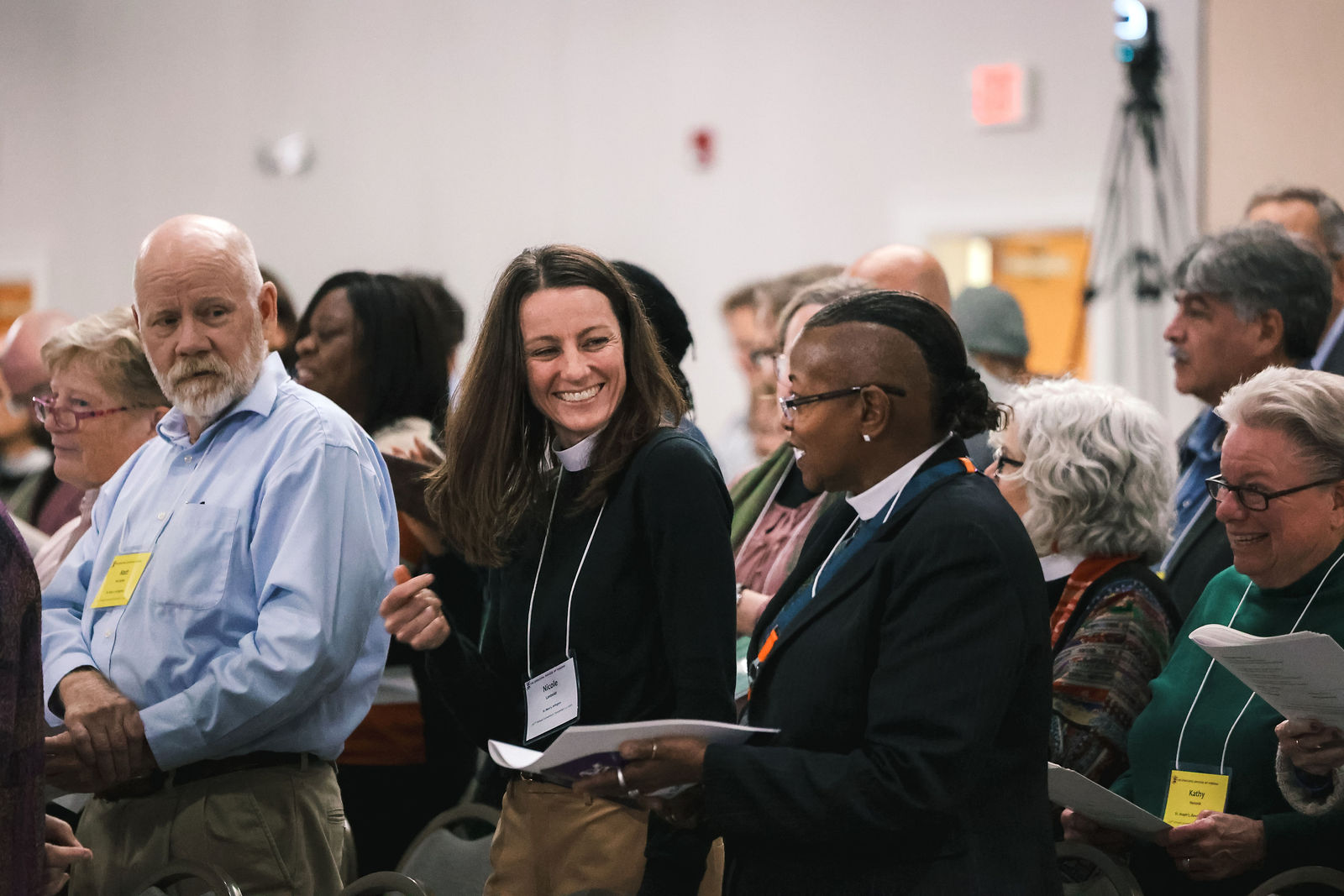
He urged the church to avoid acting like “functional atheists” who carry the full burden of saving the world on human shoulders, emphasizing that people reflect Christ’s light, they don’t generate it. Marking the feast day of Archbishop William Temple, Loya called the assembly to let that light inspire action, exemplifying justice, peace, and radical hospitality to the world.
Day 3: Saturday, Nov. 7
The final day opened with morning prayer led by the Rev’d Rebecca Troutman. The service concluded with a guided silent meditation, inviting delegates to reflect on their time together and prepare for returning home.
Delegates conducted the election for the Standing Committee. The clerical election went to a second ballot, resulting in the election of the Rev’d Cate Anthony and the Rev’d Fran Gardner-Smith.
Meet the Rev’d Cate Anthony
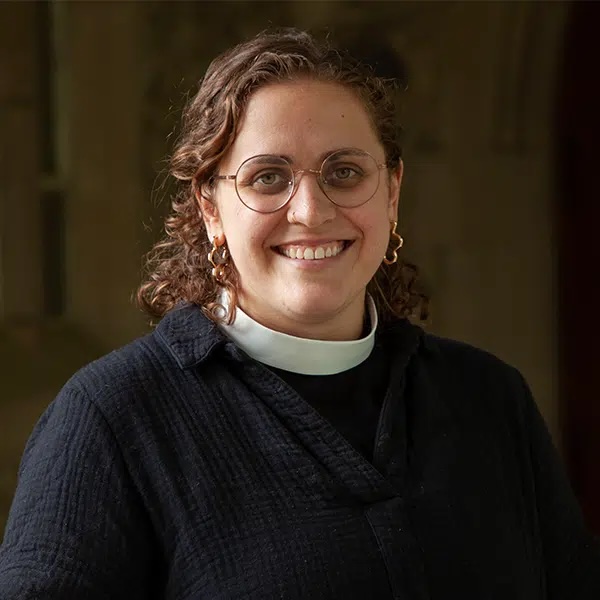
Standing Committee – Clergy
St. Stephen’s, Richmond
It is my privilege to stand for nomination to the Standing Committee of the Diocese of Virginia. We are living in divided and tense times as a nation; this atmosphere permeates life on individual and communal levels. As an Episcopal Church Foundation Fellow from 2020-2023, I designed and led a series of formation offerings on “sacramental citizenship,” learning how to live out our baptismal vows as citizens in the public sphere. This experience grounded my personal theology in the call of all Christians to seek relationship with God and one another, even and especially when it is difficult to do so. My experience as a mediator and facilitator equips me with deep listening, strong communication, and a collaborative and curious posture toward ministry and relationship. As a millennial priest, I bring a particular perspective to the work of the standing committee and the Diocese, with a commitment toward strengthening the future of the Church in Virginia and beyond through expansive and innovative forms of church and ministry. If it is God’s will, I am excited to serve the Diocese and its people in this way.
The Rev’d Cate Anthony began her ordained ministry at St. Stephen’s in the summer of 2020. A child of Florida and Delaware, Cate is a graduate of McGill University, Berkeley Divinity School at Yale, and Yale Divinity School. While at Yale, Cate served at Trinity Episcopal Church in Newtown, CT, where she helped facilitate meaningful healing in a community struggling with past community and church traumas. Prior to earning her Master of Divinity at Yale, Cate worked as a hospital chaplain at Rush University Medical Center in Chicago where she learned the spiritual practices of pastoral care which root her ministry today.
At the heart of Cate’s ministry is the desire to hold space for people of all experiences to draw closer to one another and to God, even and especially in times of conflict or crisis. At St. Stephen’s, Cate serves as the Associate Rector for Formation, working together with lay folk and staff colleagues to imagine the journey of discipleship for our youngest and oldest members alike. In this role, she oversees adult formation and small groups, and is a leader of the church’s family ministries. In addition to her ministry at St. Stephen’s, Cate also serves on the alumni board of the Fellowship at Auschwitz for the Study of Professional Ethics, a community that has radically shaped her understanding of what it is to live and lead ethically. In her time away from St. Stephen’s, Cate enjoys riding bikes and eating desserts with her husband, Emery.
Meet the Rev’d Fran Gardner-Smith
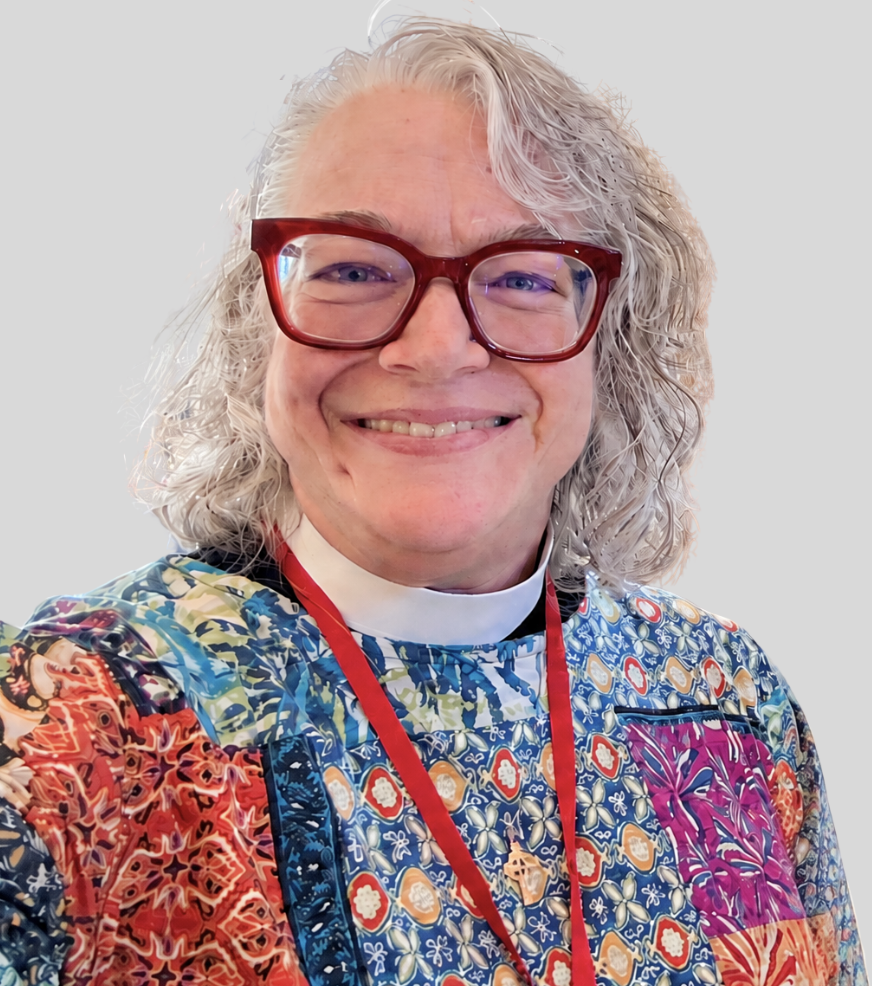
Standing Committee – Clergy
St. Thomas, McLean
In early October, I celebrated 20 years of ordained ministry. Before coming to Virginia just over ten years ago, I served in the Dioceses of Northern Michigan, New Hampshire, and California. My roles have included ministry developer, small-congregation rector, founding co-vicar of a four-church cluster, interim rector of Clarke Parish in Berryville, and, since early 2018, rector of St. Thomas, McLean. I also served on diocesan staffs in Northern Michigan and New Hampshire.
In Northern Michigan, I was elected to Executive Council and helped revitalize congregational giving to the diocese. In New Hampshire, I was appointed to the Mission Resources Committee and helped revitalize Fair Share congregational giving. In Virginia, I served as appointed Dean of the North Fairfax Region (2019–2022) and on the Diocesan COVID Regathering Team. I have served as a Title IV Intake Officer since 2021. I am a Level III seminarian supervisor at Virginia Theological Seminary and have supervised 18 people preparing for priesthood or the diaconate across my ministry in New Hampshire and Virginia.
Since 2017, I have lived in Reston, VA, with my spouse, the Rev’d Dr. David Smith, and our poodle, Jasper. I am an avid reader, especially of fantasy and history, and enjoy creating, primarily with a crochet hook.
Exploring a call to the episcopate in another diocese has deepened my love for the Diocese of Virginia, my canonical and spiritual home for half of my ministry. I feel called to serve on its Standing Committee out of affection for this community and a desire to share my gifts and skills in its service. Throughout my ministry, I have sought to listen closely to the hopes and concerns of congregations and communities. I care deeply about building together a welcoming, inclusive Church that serves its neighbors, holds a clear sense of mission, and makes room for differing perspectives. I would bring prayerfulness, humility, and sound judgment to this work, and would welcome the opportunity to discern alongside our bishop and fellow committee members how best to nurture the diocese’s life, leadership, and future.
The lay election also required two ballots, electing Carolyn Lanier on the first ballot and George Omohundro on the runoff ballot.
Meet Carolyn Lanier
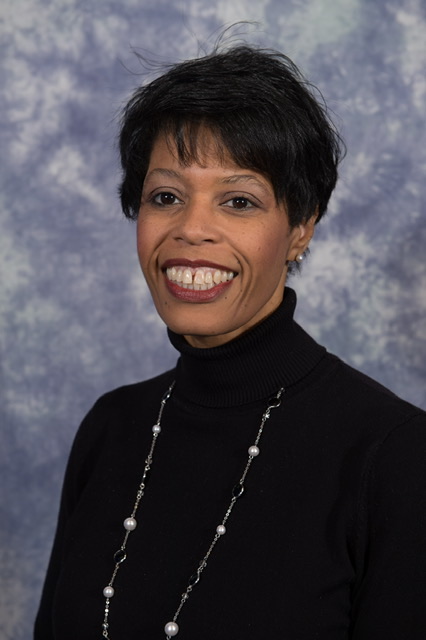
Standing Committee – Lay
St. Philip’s Episcopal Church – Richmond, VA
I seek to serve on the Standing Committee as I believe my background, skills, and qualifications would be a good fit. I love Jesus. I love the Church. I love the people of the Diocese of Virginia and am eager to continue serving them.
Since moving to the Diocese in 2020, I have served as the founding Chair of the Ministry for Racial Justice and Healing (MRJH), the search committee for the XIVth Bishop and on the Board of Virginia Episcopal Real Estate Partners (VEREP). Through my work with MRJH, I was the grateful, and humble, recipient of the 2025 Meet Me in Galilee Award. At St. Philip’s, I have served as the Registrar to the Vestry since 2020 and as a vice-president to our ECW chapter since 2024. Through these experiences, I have been blessed to meet so many people from around the diocese for whom Christ is the center of their lives and learn that we share far more commonalities than differences.
Professionally, I possess nearly thirty years of experience in strategic planning, organizational development, and human resources management. This experience has been gained through executive and leadership roles in both government and non-profit organizations. My undergraduate degree in Psychology was earned at the University of Michigan. Additionally, I possess a Master’s in Public Administration from Seattle University.
Thoughtful leadership, discerning hearts, and collaborative intentions are called for as increasingly complex issues confront our congregations. Along with possessing these qualifications, I believe that my strong administrative and organizational skills would also be an asset to the Standing Committee’s work in these challenging times.
I welcome the opportunity to offer my service, perspectives, and gifts to the Standing Committee and to the Diocese. Thank you for considering my nomination.
Meet George Omohundro
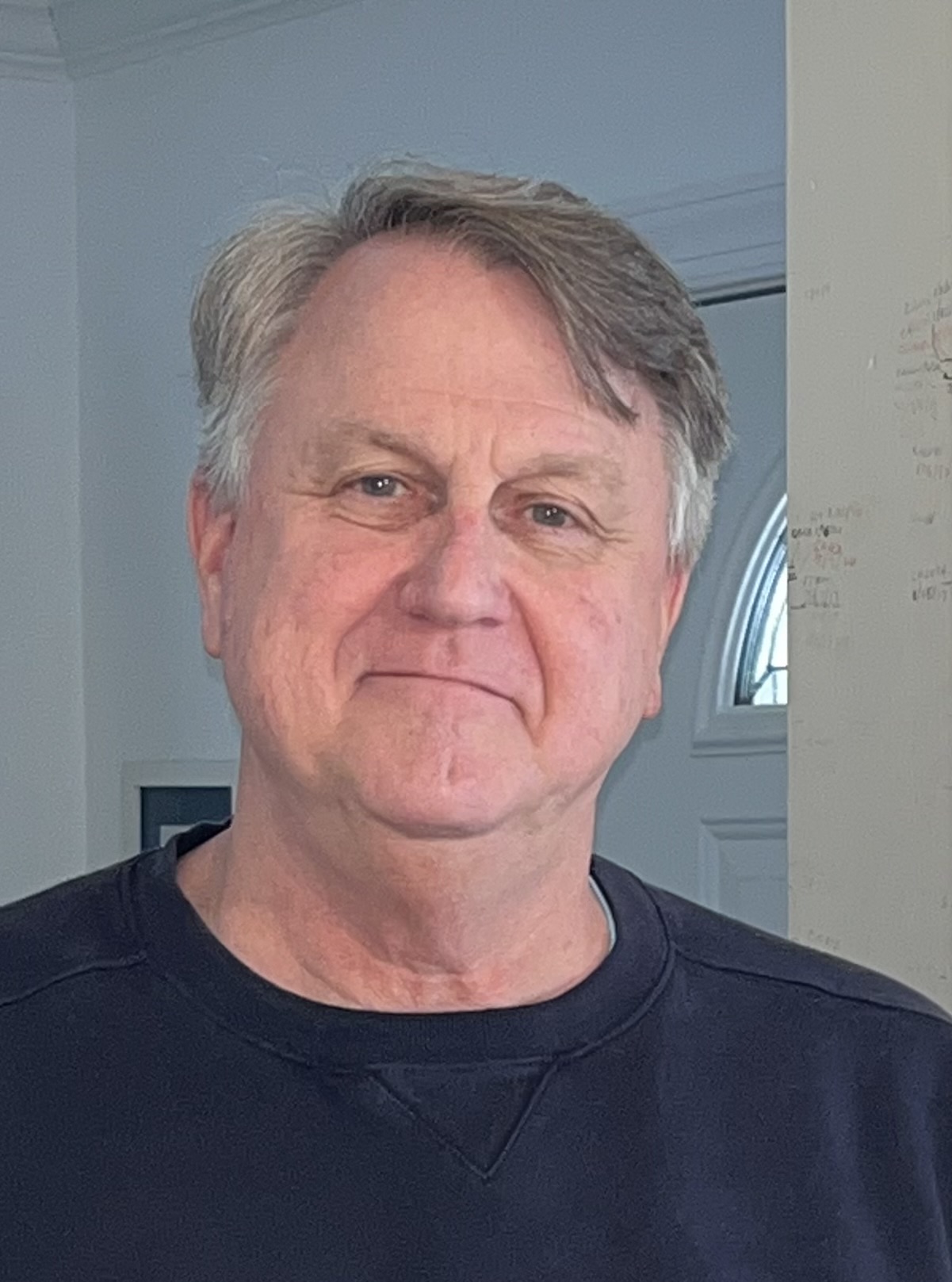
Standing Committee – Lay
St. Luke's, Wellington, Alexandria
I was baptized on November 24, 1963, at Emmanuel, Brook Hill, and I grew up with the loving care of that congregation until I left Richmond to serve in the Navy in October 1985. My parents both served multiple vestry terms, including as wardens, and in many other parish roles, enthusiastically sharing their experiences with my sister and me, and involving us regularly in many Emmanuel activities. We loved being Episcopalians and were given sustained insight into parish life and administration from an early age. My dad served many years as delegate and president of Region 11/North Richmond, and delegate to Diocesan Convention, providing me insight into Episcopal Church polity, politics and administration at the diocesan level. My roles at Emmanuel included Sunday school and Bible school member, acolyte, choir member, youth group member, cemetery groundskeeper, and volunteer for unnumbered projects and activities. Confirmed by Bishop Hall in 1975, I was a Shrine Mont stalwart, and a four-summer St. George’s camper.
Navy service took me to California, then Japan, then back again to Virginia, where my wife Laura and I joined St. Luke’s, Alexandria and enrolled our children, Calvin and Cara, in the day school beginning in 2005. My roles at and through St. Luke’s have included Youth Group mentor, Journey-to-Adulthood (J2A) mentor (all three levels, including pilgrimage to Scotland), diocesan Parish Youth Ministry (PYM) mentor, delegate to Convention (2011-2026), non-voting delegate to the electing Convention of Bishop Goff (2012), lector and lay eucharistic minister (2012-2026), delegate to Region 6/Potomac (2013-2023), vestry (2012-2014), day-school board member (2013-2015), Renewal Works study group leader (2017), capital campaign representative (2018), vestry (2018-2020, Jr. Warden 2019, Sr. Warden 2020 (COVID, no rector)), Potomac Region delegate to the diocesan Executive Board (EB) (2021-2023, (VP 2022, 2023)), EB delegate to the electing Convention of Bishop Stevenson (2022), Sacred Ground class member (2024), Education for Ministry (EfM) class member (2025-2026 (completion in 2028)), among many other projects and activities as a follower and a leader.
My formal education includes a BS in Business Administration and Management from VCU (1985), and a Master of Public Administration (public policy) from The George Washington University (2000). My professional career includes service as a Navy Supply Corps officer (1985-1992) (during which I was trained as a government contracting officer), and 34 years as Director of Contracts for several companies engaged in providing primarily information technology services to U.S. federal government agencies, retiring at the end of October 2026.
I’ve made a lifelong discipline of reading widely, and of considering carefully the ways of our world and of our species, tempered by my foundation in the Episcopal Church. I believe my experience qualifies me to serve effectively as a member of the Standing Committee.
I love The Episcopal Church and grieve its shortcomings. I love what the Church does in my life, and in the lives of us all. I walk an Episcopalian path towards God (I trust), and I am bound in love to help maintain that way.
Keynote speakers Markham and Loya then led a joint session titled, “Being Biblical: What Does that Mean?”
They led the exploration of six principles for biblical living: being biblical and faithful, remembering that God takes a side, keeping a divine perspective, focusing on fundamentals, remaining in conversation, and exercising courage. Floor discussions addressed topics including white Christian nationalism, political polarization, and interfaith engagement.
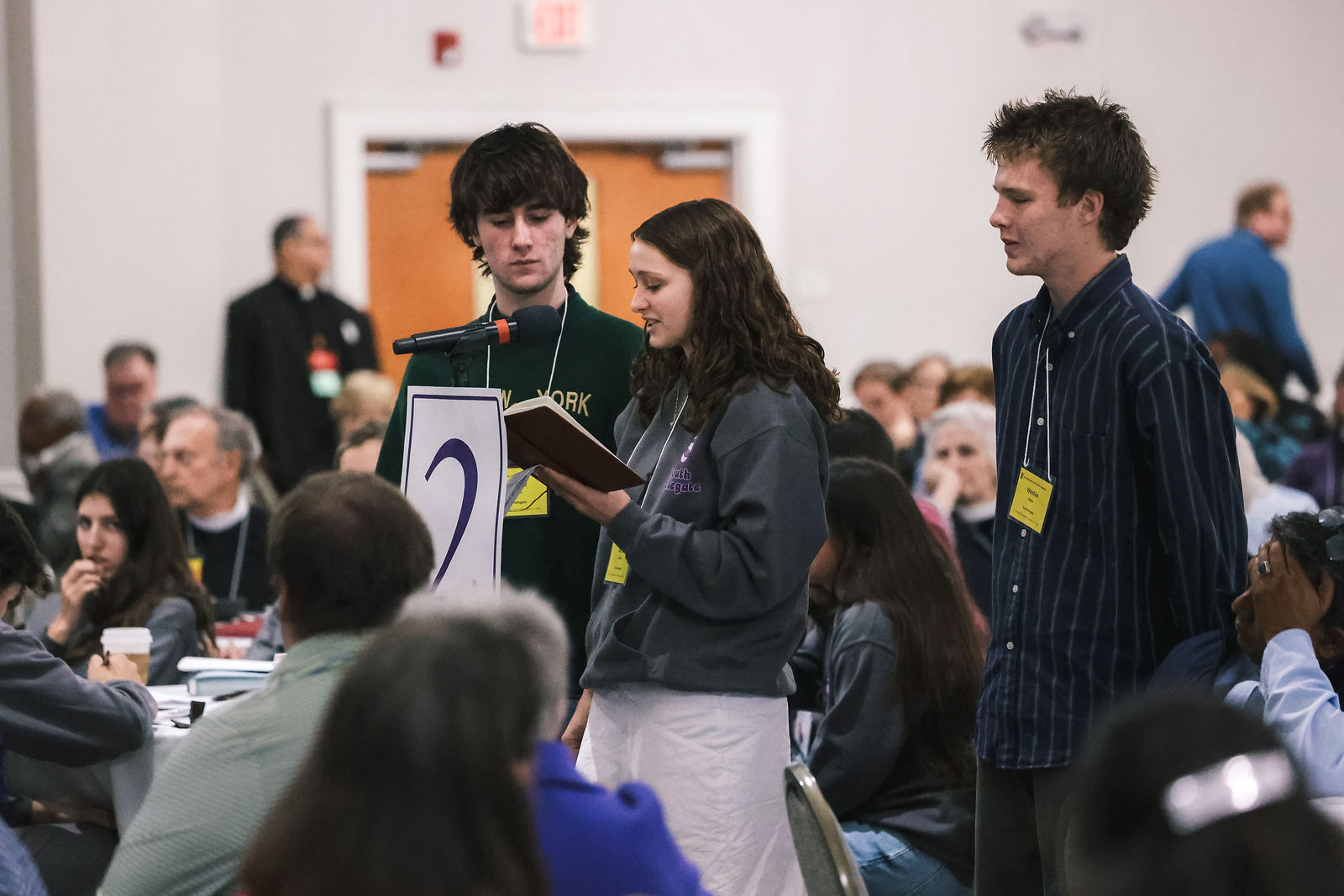
Video: Communicating “there is a place for you here. Come and see.”
Effective church communications go well beyond sharing announcements—they serve as a vital practice of digital hospitality and invitation. Long before visitors step through a church’s red front doors, they explore websites, social media, and videos to see if they will be welcomed and can encounter God.
Across the diocese, congregations have a compelling story of loving Jesus, serving neighbors, and embodying justice, yet they cannot assume people already know it.
This brief video featured Kristina DeFrancesco of the diocese’s Communications Team. By partnering with the team to strengthen websites, photography, and personal storytelling, churches can help seekers discover the love of Christ in action and hear a clear invitation: “There is a place for you here. Come and see.”
Committee Reports
Four reports were presented.
Report of the Committee on Amendments to the Constitution and Canons: Presented by Committee Chair J.P. Causey, Jr. of St. John’s, West Point, who recognized the committee members and noted the two proposed constitutional amendments. Both constitutional amendments were approved on the consent calendar, and Bishop Stevenson discharged the committee with thanks.
Report of the Treasurer: Presented by Diocesan Treasurer Ted Smith, detailing Church Pension Group benefit figures, 2027 health insurance rate increases of 12.5 percent and GLP-1 coverage changes, Virginia Episcopal Investment Funds performance, 2025 financial results, 2026 year-to-date figures, and updates on the Diocesan Missionary Society and Shrine Mont’s capital campaign. Received as an informational report; no separate vote was required.

Report of the Committee on Budget (Fiscal Year 2027 Budget): Presented by Budget Committee Chair Kat Turner of Church of the Resurrection, Alexandria, and Treasurer Ted Smith, outlining a balanced 2027 operating budget reflecting covenantal giving projections with a 5 percent adjustment, investment income, program funding, and staff compensation updates, including restructuring Bishop Stevenson’s compensation to replace upkeep costs for the historic residence at Roslyn. The report was moved by the committee and adopted by voice vote without opposition.
Report of the Resolutions Committee: Presented by Committee Chair the Rev’d Elizabeth Keeler of Trinity Church, Washington. See next section for actions taken on resolutions.
Resolutions
Here is what happened to each resolution:
- R-1 (Celebrating Global Mission Efforts) (Read in Spanish): Approved on the consent calendar. This resolution commends St. Francis, Great Falls and other Virginia congregations for their decades-long partnerships with dioceses in South Sudan and across the Anglican Communion. The resolution also asks congregations to submit global mission updates for posting on the diocesan website.
- R-2 (Celebrating Completion of the Dinka Cam Bible and Urging Similar Efforts in Other Languages) (Read in Spanish): Approved unanimously by voice vote. Delegate Russ Randall of St. Mary’s, Arlington, spoke to the 30-year translation effort in South Sudan, noting the personal sacrifices of the translators who faced war and displacement.
- R-3 (Read in Spanish) and R-3a: Repudiating Christian Nationalism (Read in Spanish) : R-3 was amended in committee into R-3a, and R-3a passed by voice vote. R-3a shifts implementation responsibility from the Executive Board to the regional deans and local congregations so responses can be tailored to local contexts.
- R-4 (Participation in Good Friday Offering) (Read in Spanish): Approved on consent calendar. The resolution uplifts Good Friday offerings for the Episcopal Diocese of Jerusalem and encourages congregations to join the American Friends of the Diocese of Jerusalem and consider pilgrimages through St. George’s College.
Courtesy Resolutions
The assembly approved by acclamation four courtesy resolutions:
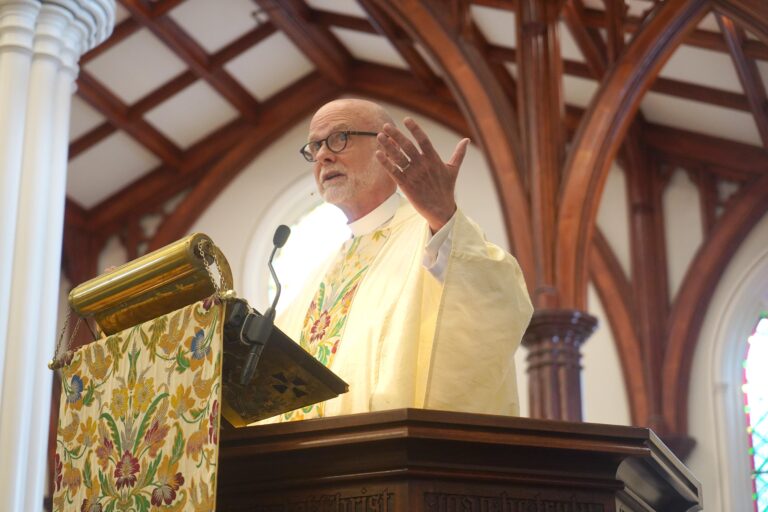
Honoring the Rev’d Oran Warder upon his retirement
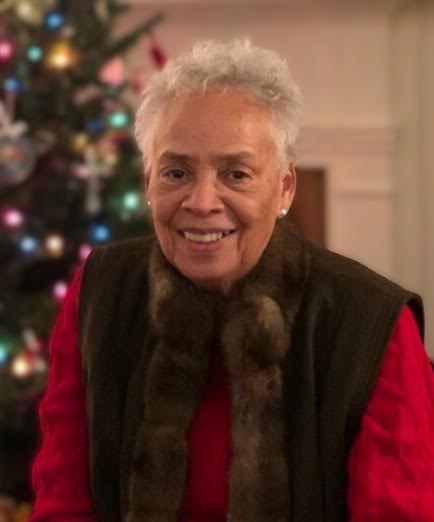
Giving thanks for the life of Mareea Wilson
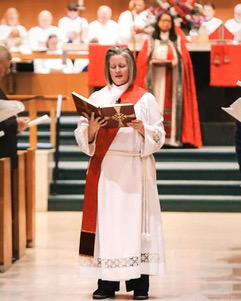
Honoring the Ven. Holly Hanback upon completing her term as archdeacon
Honoring Mark Eastham for his service as Chief of Staff and Secretary
Whereas Mark Eastham has served as Chief of Staff and Secretary of the Diocese of Virginia since the Year of our Lord 2019; and
Whereas Mark entered this work following a career in school ministry that transformed the lives of countless students and adults, not only by his skills but also by his very nature as a loving child of God; and
Whereas he quickly found himself, in the face of a pandemic, in the unenviable and challenging position of leading a team to put on not one, not two, but three Diocesan Conventions via Zoom, and yet still managed to do it with dignity, grace, creativity, and patience; and
Whereas he has served as a mentor to staff members, those in positions of diocesan leadership, and even to bishops, bringing both a sense of humor and professionalism to the table at all times, even when attending a clergy retreat disco party wearing a red wig or a staff party wearing gingerbread Christmas socks; and
Whereas he has a way of making people feel supported, valued, and heard regardless of where they find themselves in this oft-troubled world and work; and
Whereas he has chosen to travel a new path in this time of his life that will allow him to focus on his family; therefore be it
Resolved, that the 232nd Convention of the Diocese of Virginia express its deepest gratitude to Kathy Eastham for loaning us this gift of God for these many years; and be it further
Resolved, that the Convention’s most fervent prayer is that Mark Eastham knows that he is loved by this diocese, that he has made a difference in our ministries, and that he will be missed in ways that mere words cannot capture.
Surprise Recognition for Eastham
Following the committee reports, Bishop Stevenson temporarily transferred the chair to Assistant Bishop Gayle Harris to move a surprise courtesy resolution honoring Chief of Staff and Secretary of Convention Mark Eastham for his years of service—including leading three online conventions during the pandemic.
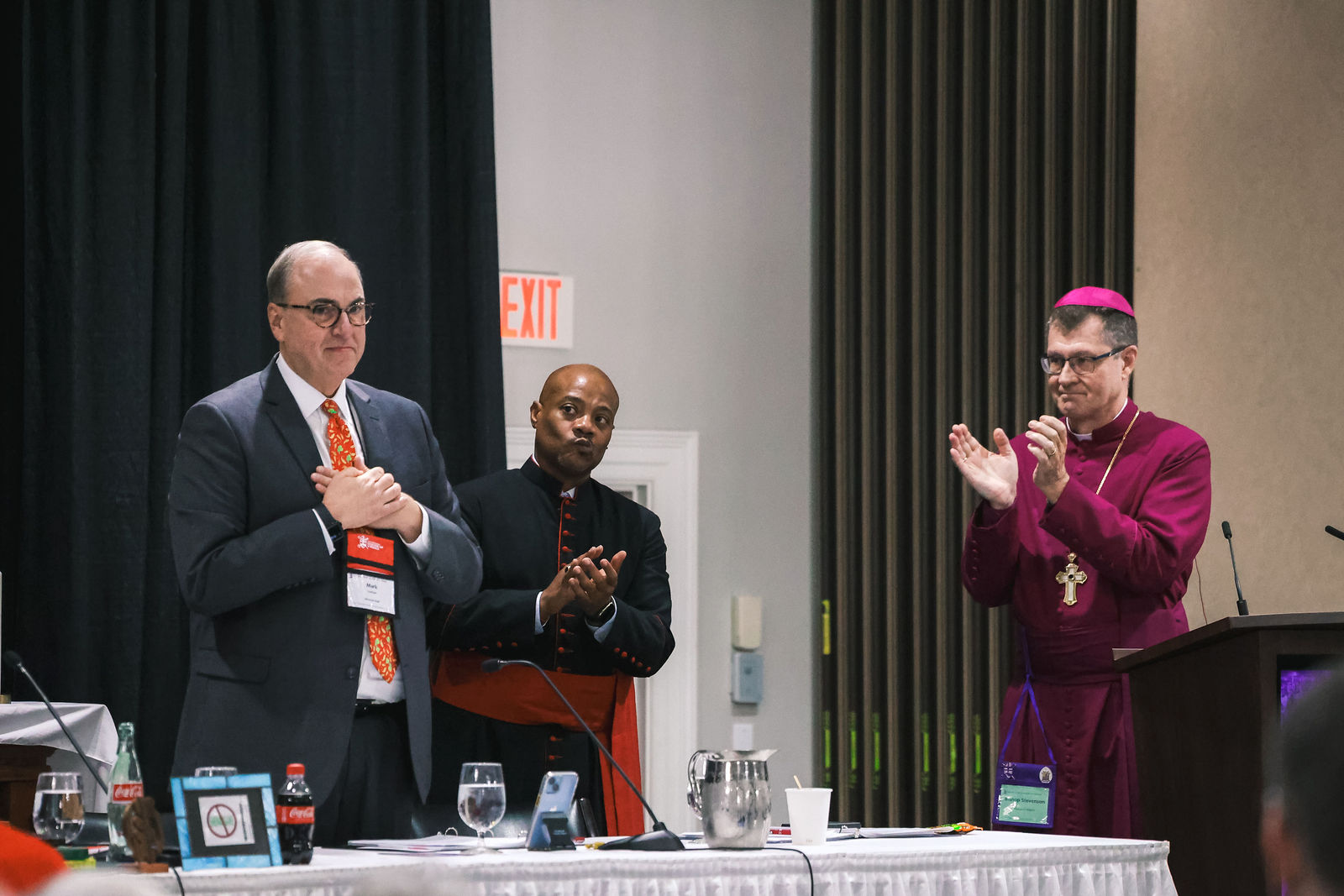
The resolution expressed gratitude to his wife, Kathy Eastham, and brought the assembly to its feet for a prolonged standing ovation. When Eastham later gave his final announcements, he lightheartedly noted his daughter’s warning not to “ugly cry,” before thanking delegates for their shared ministry.
Diocesan Treasurer Ted Smith presented the financial report, noting a 12.5 percent average cost increase for Church Pension Group health insurance plans in 2027. Smith also explained that because maintaining the historic episcopal residence at Roslyn was no longer financially sustainable due to ongoing repair costs, the diocese adjusted the bishop’s compensation structure to allow him to buy his own home, creating a net-zero impact on the operating budget.
Budget Chair Kat Turner joined Smith to present the balanced 2027 operating budget, which reflected an improving parish pledge picture alongside a conservative 5 percent adjustment on pledge collections. Delegates adopted the budget without floor debate.
Stevenson expressed thanks to the diocesan staff, volunteers, and convention center personnel. Following the Episcopal Blessing, the bishop struck the gavel to adjourn the convention sine die.
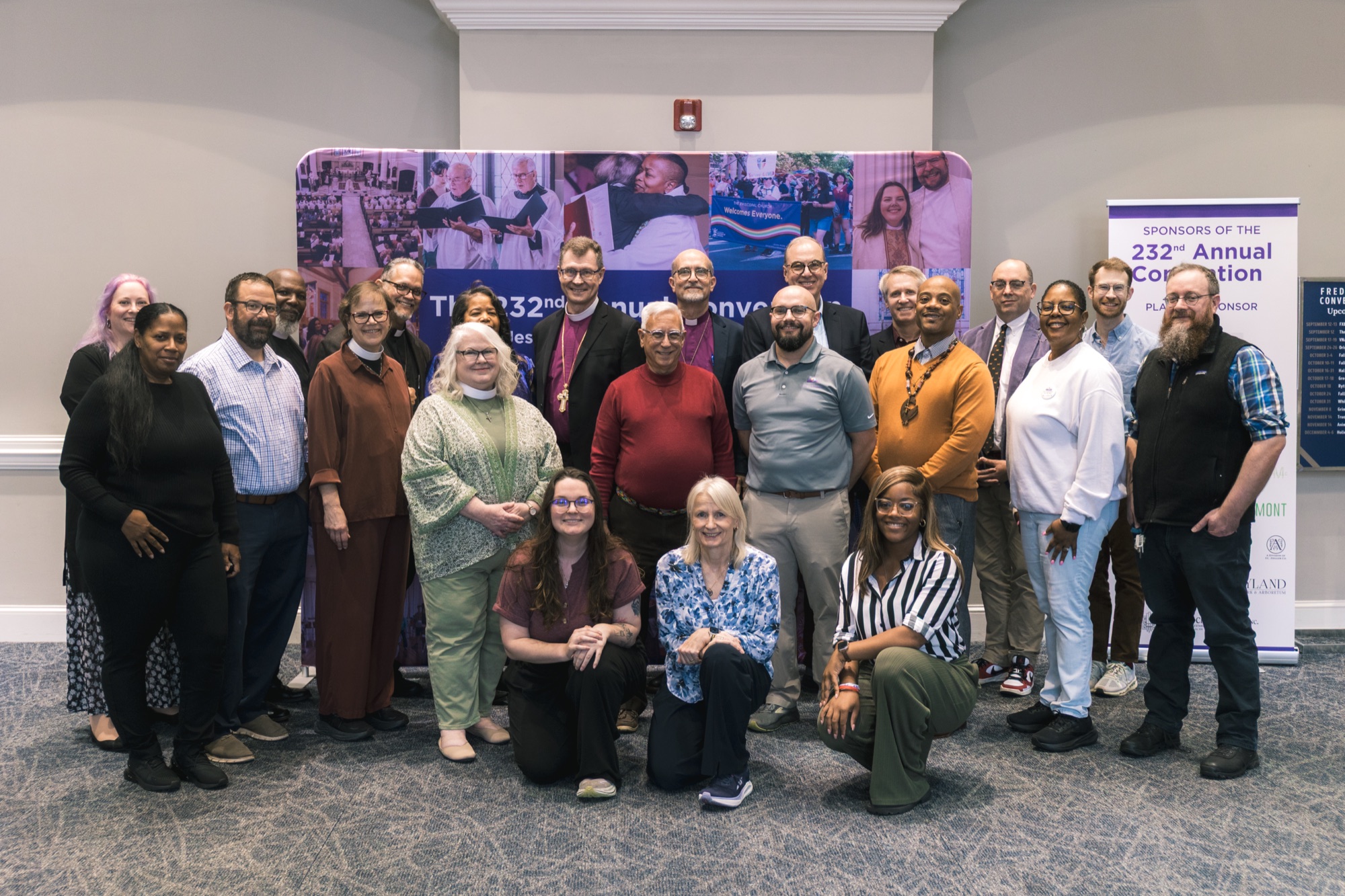
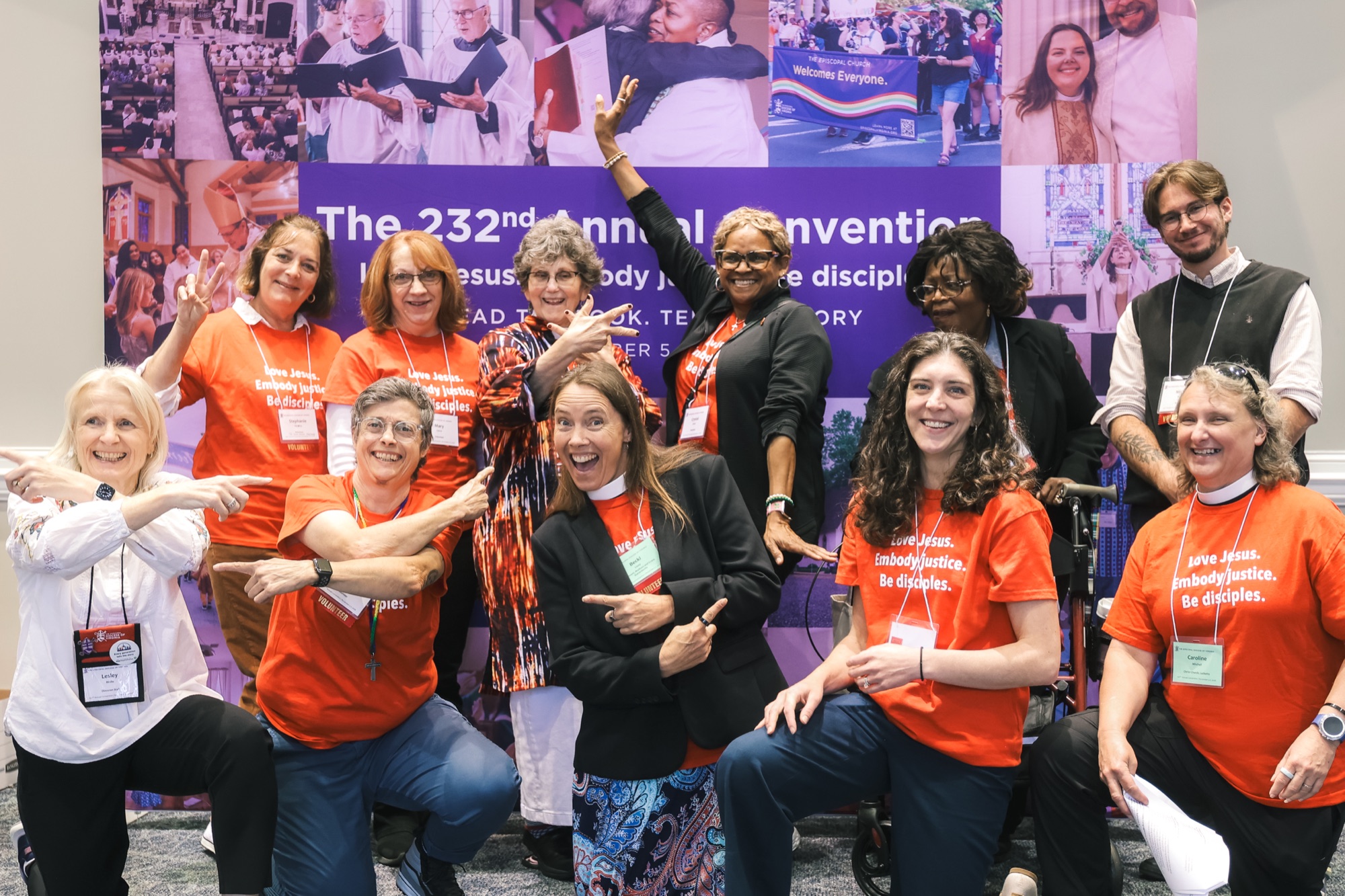
Mark your calendars: the 233rd Annual Convention is scheduled November 4-6, 2027 at the Fredericksburg Convention Center.