By Communications Team
For 10 days in early August 2026, 11 young people from the Diocese of Virginia experienced an emotional, educational pilgrimage to Ghana that reshaped how they view history, faith, and human connection.
They participated in the Triangle of Hope Pilgrimage, a covenantal partnership linking the Episcopal Diocese of Virginia (USA), the Diocese of Liverpool (England), and the Diocese of Kumasi (Ghana).
Guided by concepts like Sankofa (looking back for essential knowledge needed to go forward), they describe using the painful truths of the past as a source of wisdom to drive healing, reconciliation, and meaningful progress.
“Seeing that God has created us all equal, and that He sees us in a perfect image, and that He doesn’t know a color… like Sankofa, you can look back to the past for wisdom and to learn and to grow from it,” said Addy, who is affiliated with St. James the Less Episcopal Church in Ashland. “But we need to keep moving forward, and we need to keep growing and keep growing in our understanding.”
The three dioceses have regional ties to the transatlantic slave trade, so the mission centers on transforming that painful shared history into a pathway of repentance, reconciliation, and mission.
“Slave ships were built and repaired and cleaned in Liverpool, and then came down the coast of West Africa, picked up Africans who were captured, enslaved, and brought here to Virginia as chattel,” said Dr. J. Lee Hill Jr., Canon for the Ordinary and Dean of the Diocesan Ministry for Racial Justice and Healing. “That was known as the Triangle of Despair, but we call it the Triangle of Hope because our pilgrimage transforms that painful legacy into something new.”
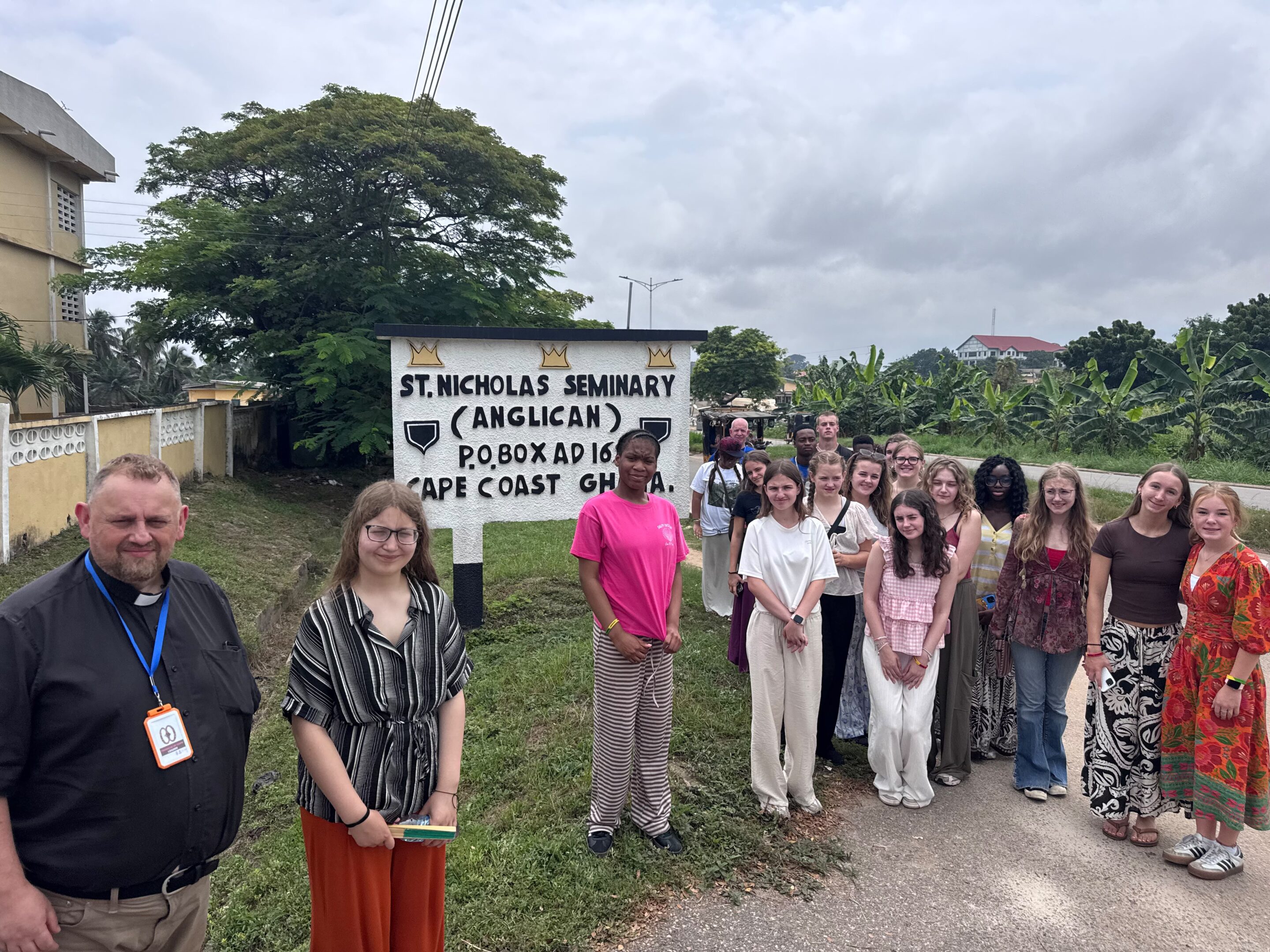
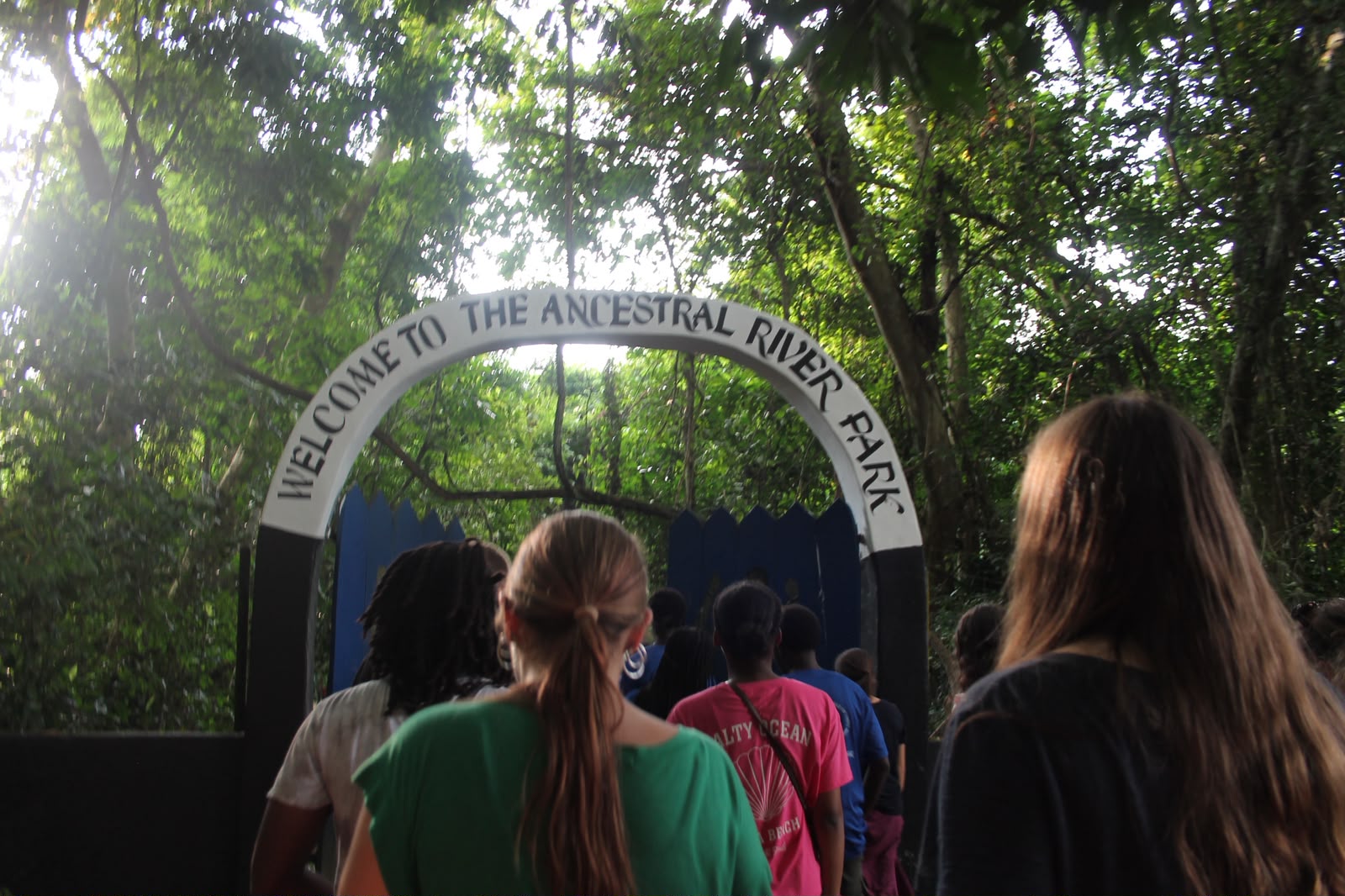
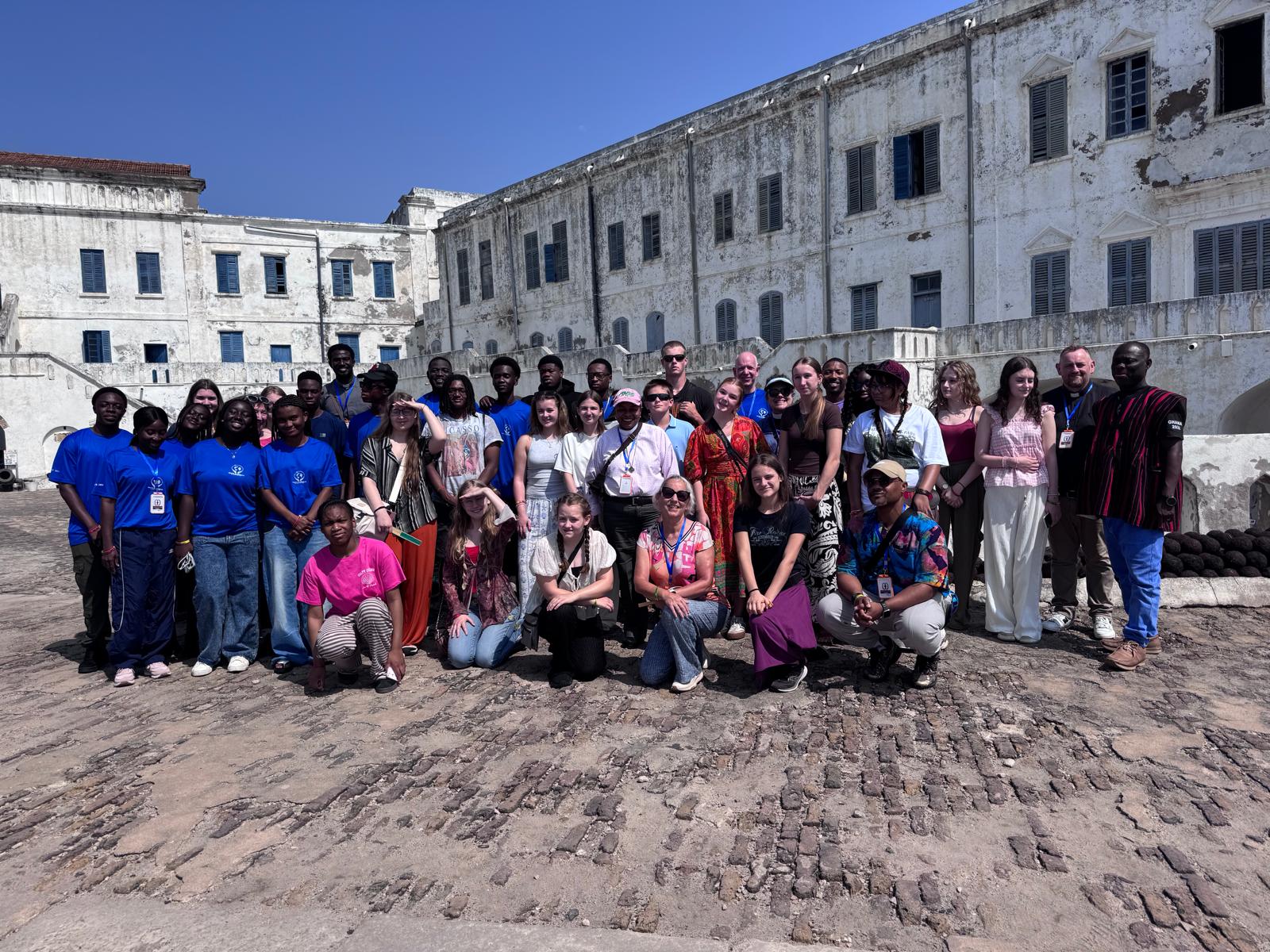
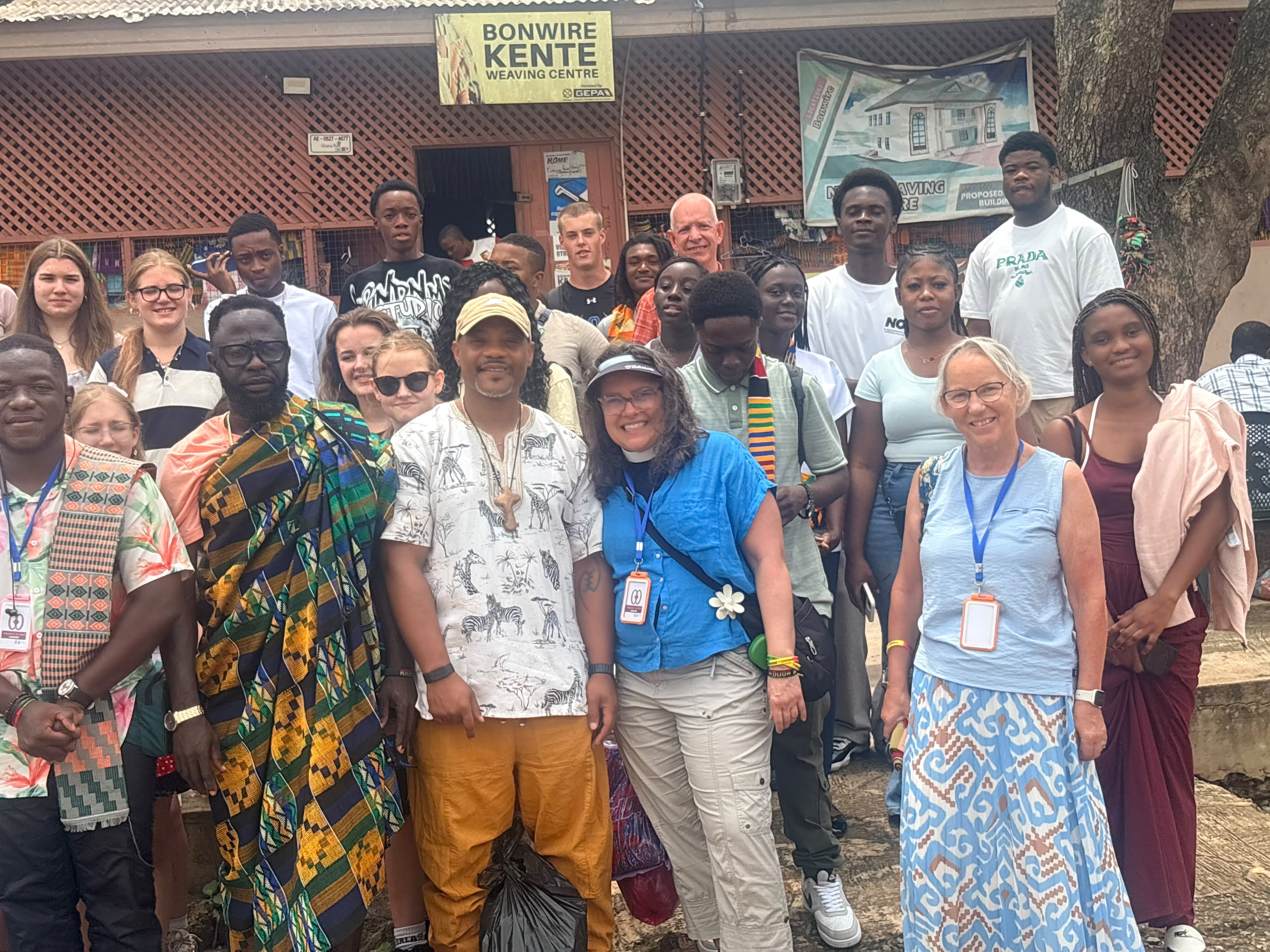
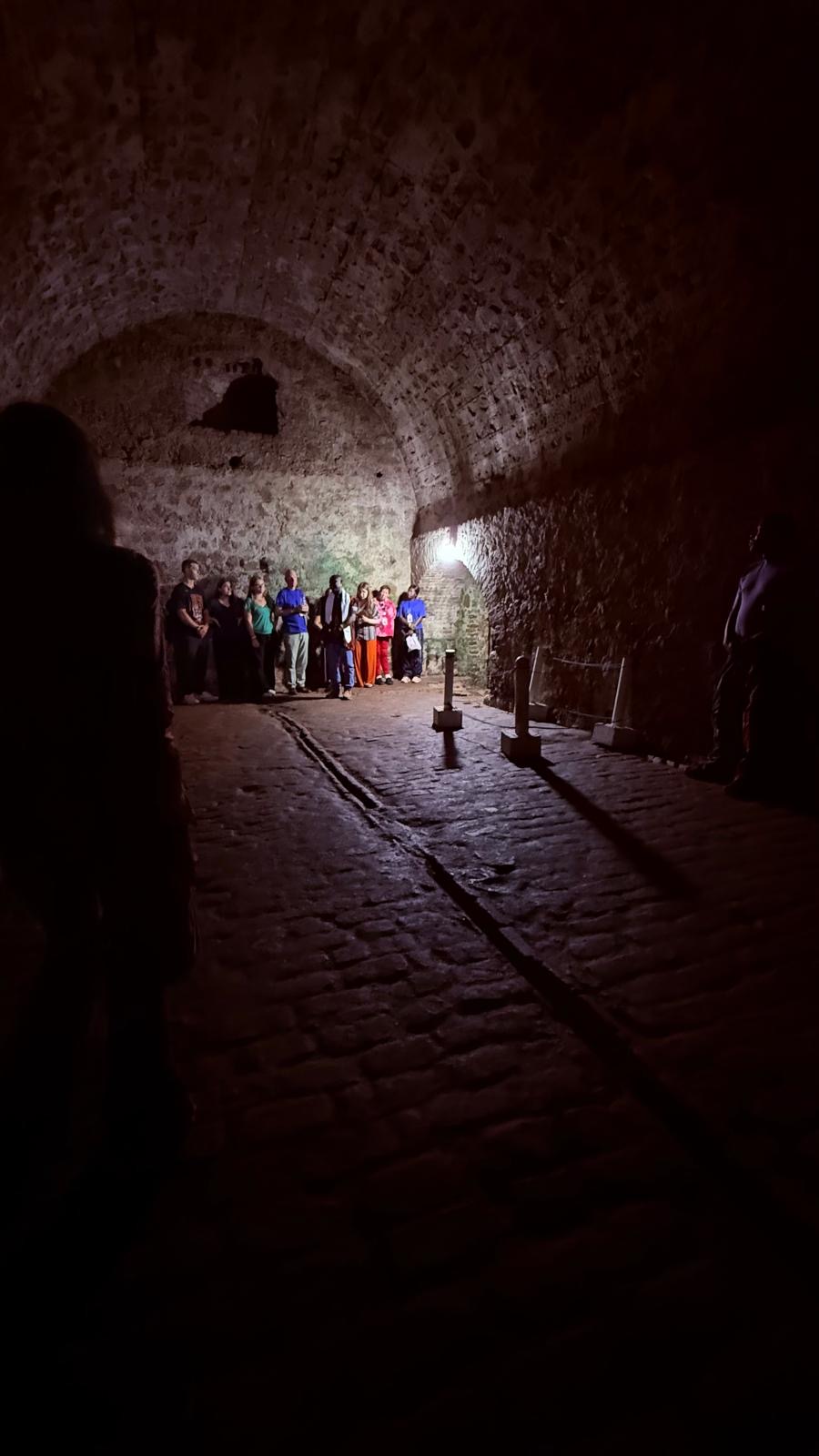
The group of 11 Virginia high schoolers, 10 others from Liverpool, and seven from Ghana prayed, worshiped, reflected, and learned together on the pilgrimage, alongside their adult leaders. They visited historic and cultural landmarks: Kwame Nkrumah Memorial Park in Accra, Cape Coast Castle (a historic site of the slave trade), the Manhyia Palace Museum, the Bonwire Kente Weavers, and more.
“Hard but necessary”
Visiting the slave dungeons and other vestiges of the transatlantic slave trade “was hard, but it was necessary,” said Isabella, who attends La Iglesia de Santa Maria in Falls Church. Her history classes mostly focused on enslaved life after arrival in America. The youth confronted the brutal capture, long journeys to the coast, and confinement before crossing the Atlantic.
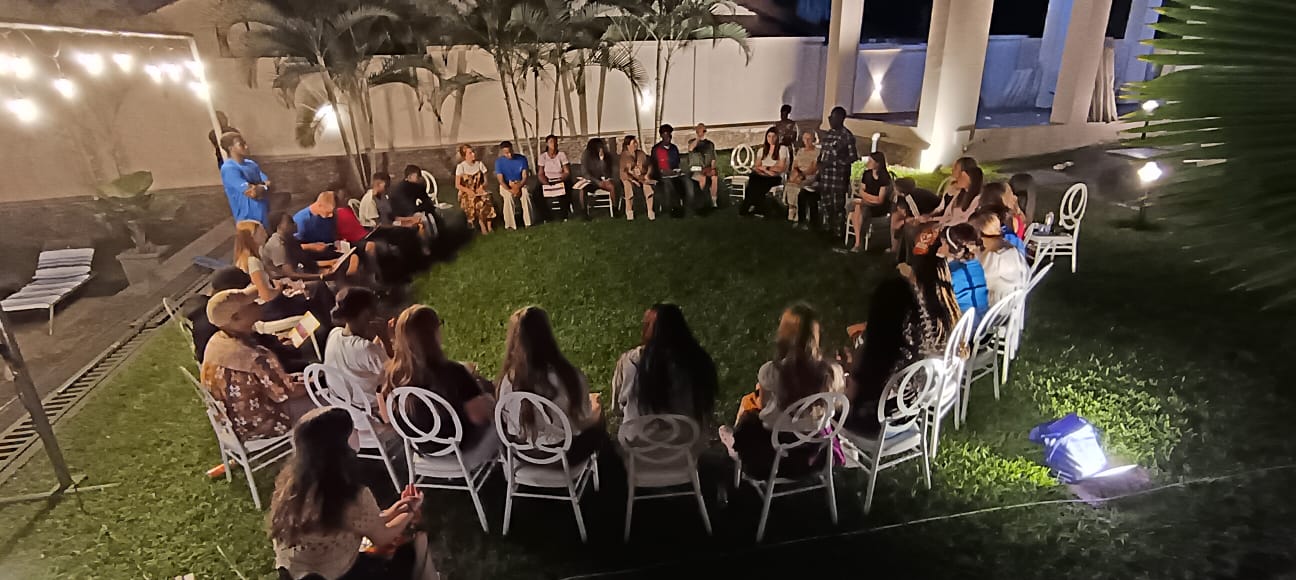
The youths’ spiritual and reflective activities included a Stations of the Cross prayer walk, worship, group debriefs and reflections, and attending services in Kumasi at St. Cyprian’s Cathedral and St. Paul-on-the-Hill.
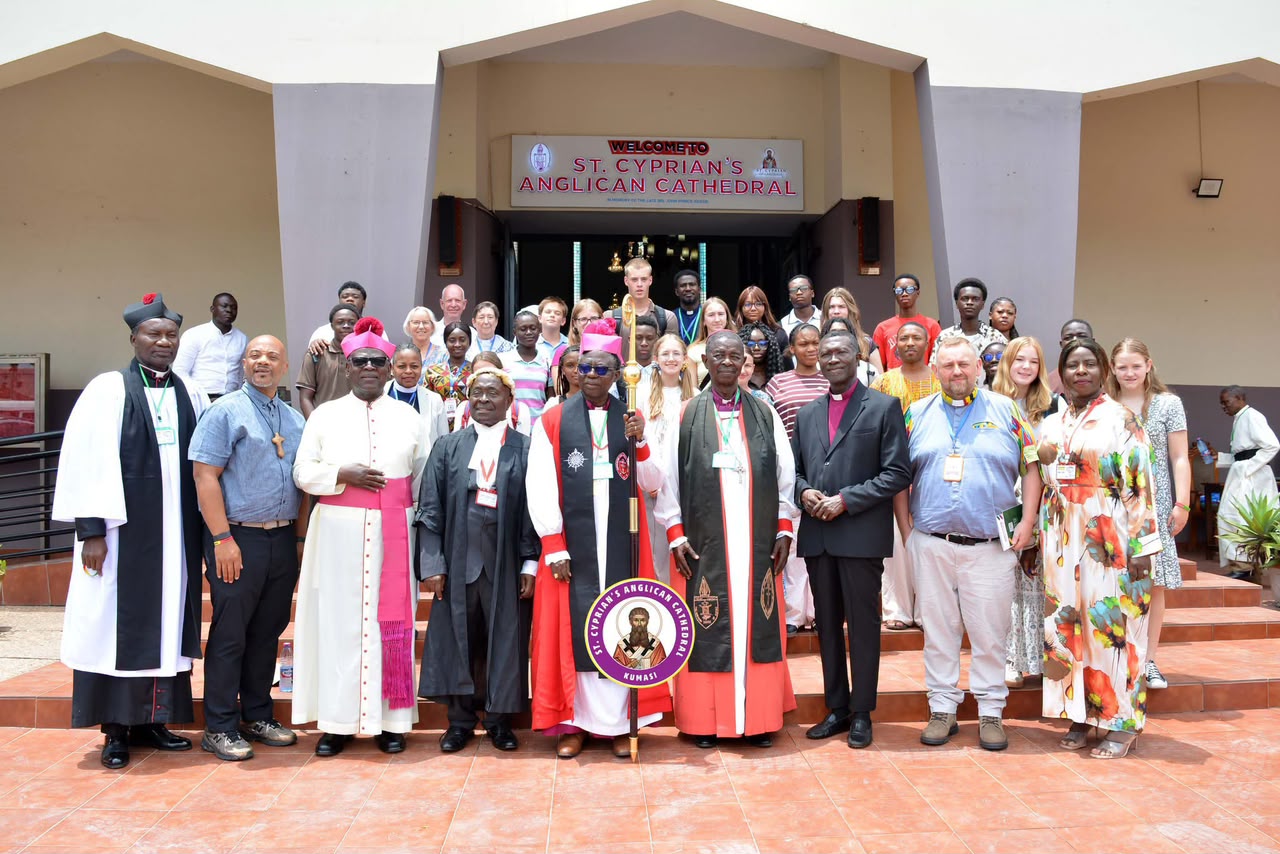
Triangle of Hope operates as an ongoing three-year cycle of visits to one partner diocese each summer. In 2025, when Virginia hosted the Triangle of Hope, visa denials prevented the Kumasi delegation from attending in person, so this year’s pilgrimage restored in-person connection for all three dioceses.
Four adults from the Diocese of Virginia also participated: Hill; Jabriel Hassan, St. Peter’s Richmond; The Ven. Susie Harding, St. Andrew’s Burke; and The Very Rev. Janettarose Green, St. Mary’s Arlington.
To plan the pilgrimage, Bishop E. Mark Stevenson traveled to Ghana earlier this year with Hill. They both experienced profound moments of connection, personal reflection, and spiritual transformation.
“I continue to be impressed by the way lives are being changed through Triangle of Hope, and not just the lives of the youth, but the lives of all they encounter as well,” Stevenson said. “The advance trip to Ghana for me was really life changing. It caused me to reflect on the need for this diocese, and the need for me, as the bishop of this diocese, to really double down on the work we’re doing with racial justice and healing.”
Watch: Youth testimonies from Ghana
Here are some of the local voices of the Triangle of Hope:
Youth voices on unfiltered history
Encountering the raw, harrowing history of the transatlantic slave trade firsthand at sites like Cape Coast Castle and the Assin Manso Last Bath revealed the horrific depth of human suffering that is missing from standard classroom teaching back home.
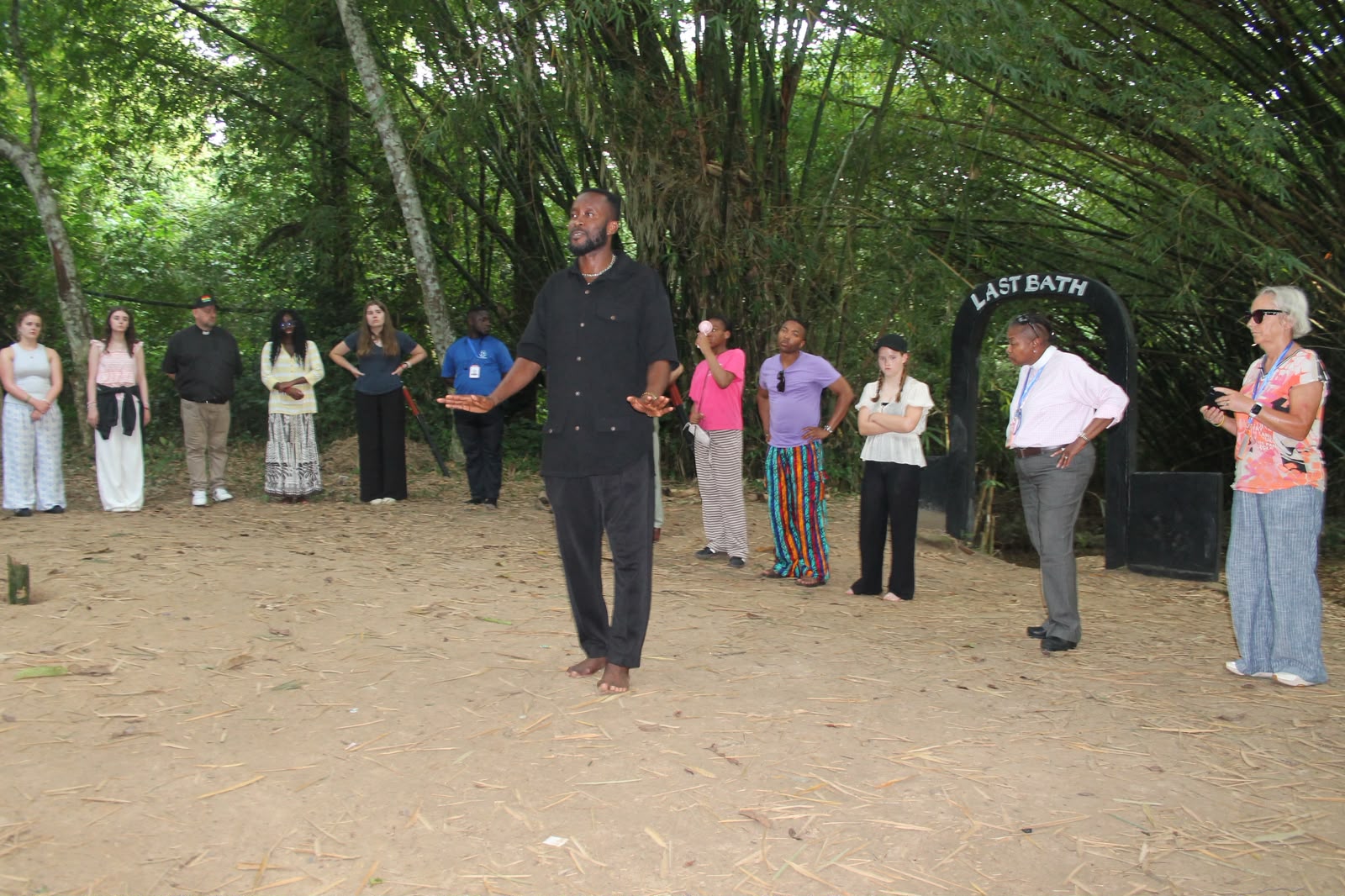
“The biggest thing that I have learned on this trip is just how important it is to go to the site and the actual place of all this history, because you get the full story and you get all the truth, and you can just really feel the emotions and the history once you are actually there.” — Caroline, St. Paul’s Charlottesville
“What I’ve learned from the Last Bath and Cape Coast slave dungeons is that bad things happen, but we can’t not teach people. So, when I go back, [I will] teach people what I’ve learned…” — William, St. Philip’s Richmond
Youth voices on understanding generational trauma
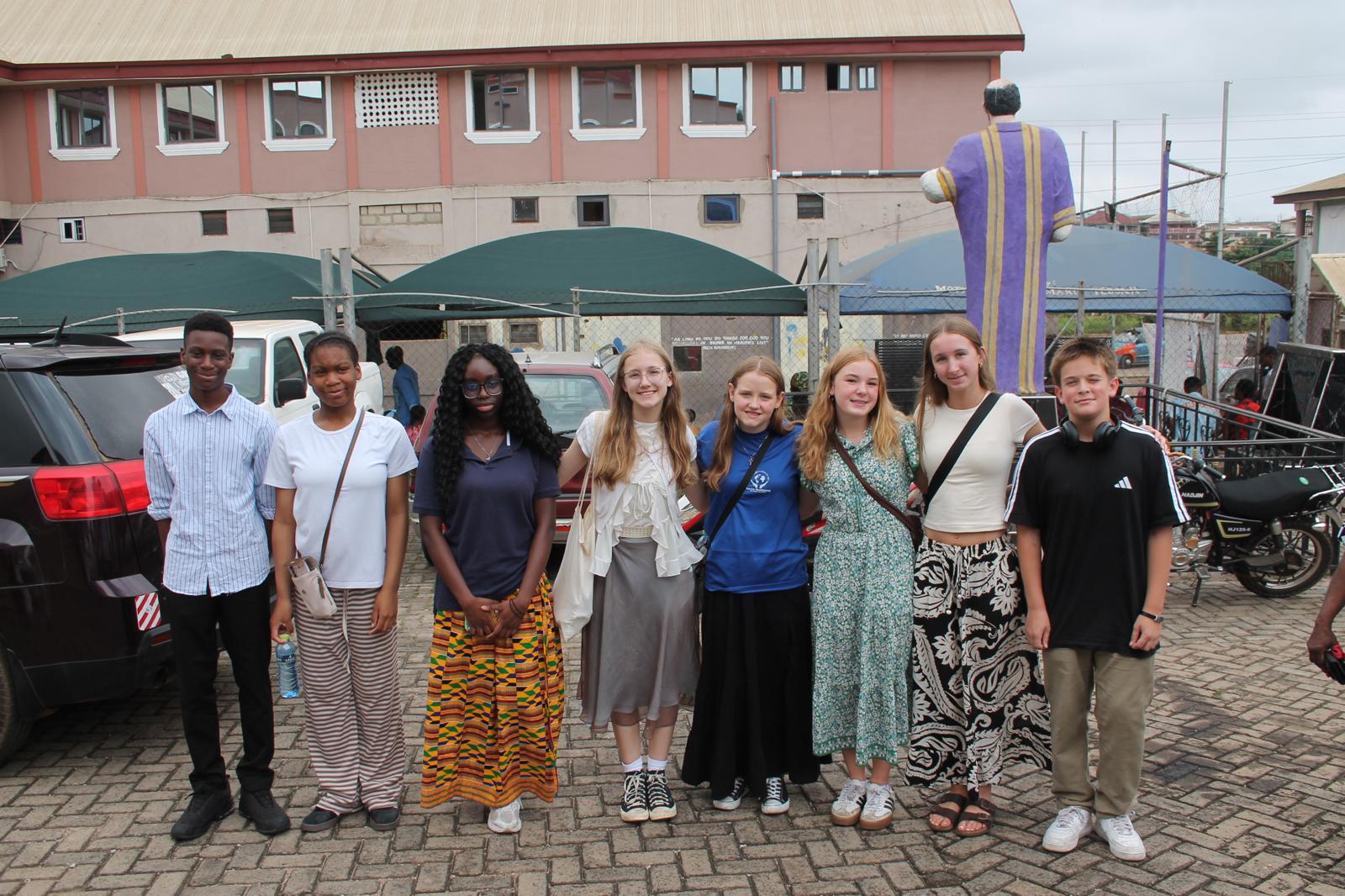
Recognizing that the impact of slavery did not end with its abolition, but persists today through intergenerational trauma, systemic discrimination, and modern global injustices.
“One thing I’m taking away is having deeper respect for everyone in the world because you don’t know who still that lasting trauma from the transatlantic slave trade has because the trauma is passed down through generations.” — Pia, St. Paul’s Charlottesville
“It’s given me a renewed perspective on life in general and how people are affected by things in the past, and now I tend to look at life and people through a different lens, seeing how the actions that they make, the choices that they make, may come from a deep-rooted trauma.” — Jeremiah, St. Christopher’s School Richmond
Youth call for active empathy
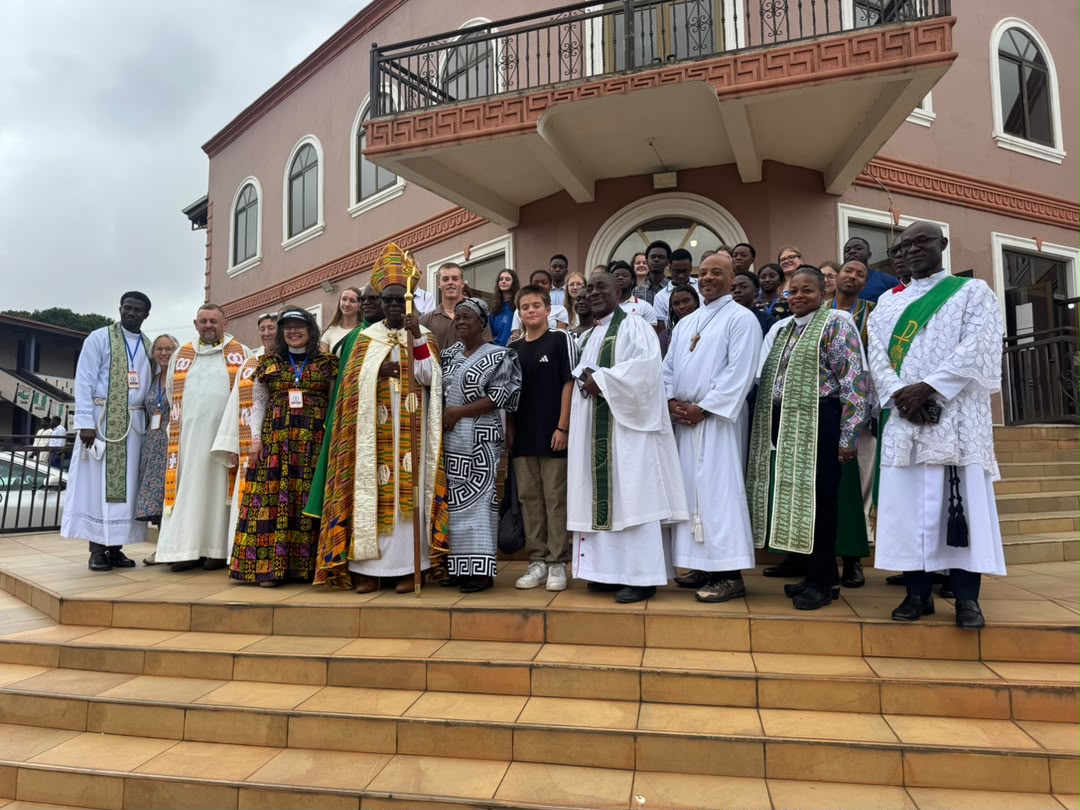
Experiencing a deep personal shift in how they interact with others, multiple youth expressed moving away from quick, surface-level judgments, committing instead to seeking out people’s personal stories, hidden burdens, and historical contexts.
“I’ve also been able to learn that even though slavery was abolished, in many ways it’s still in effect today… A major way that it’s affecting me is by when I’m tempted to judge somebody based off of however they act, however they look, speak, anything that they do—whenever I’m tempted to judge them, to just get to know their story, to know their history, to know their trauma, to know what’s on their mind.” — Addy, St. James the Less Ashland
“I think that we need to love everybody and know where they are from, who they are, and the history.” — Maura, St. Paul’s Richmond
“Something I’ll take away from this is definitely learn people’s stories before judging them because you never know what someone could be going through inside.” — Susanna, St. George’s Fredericksburg