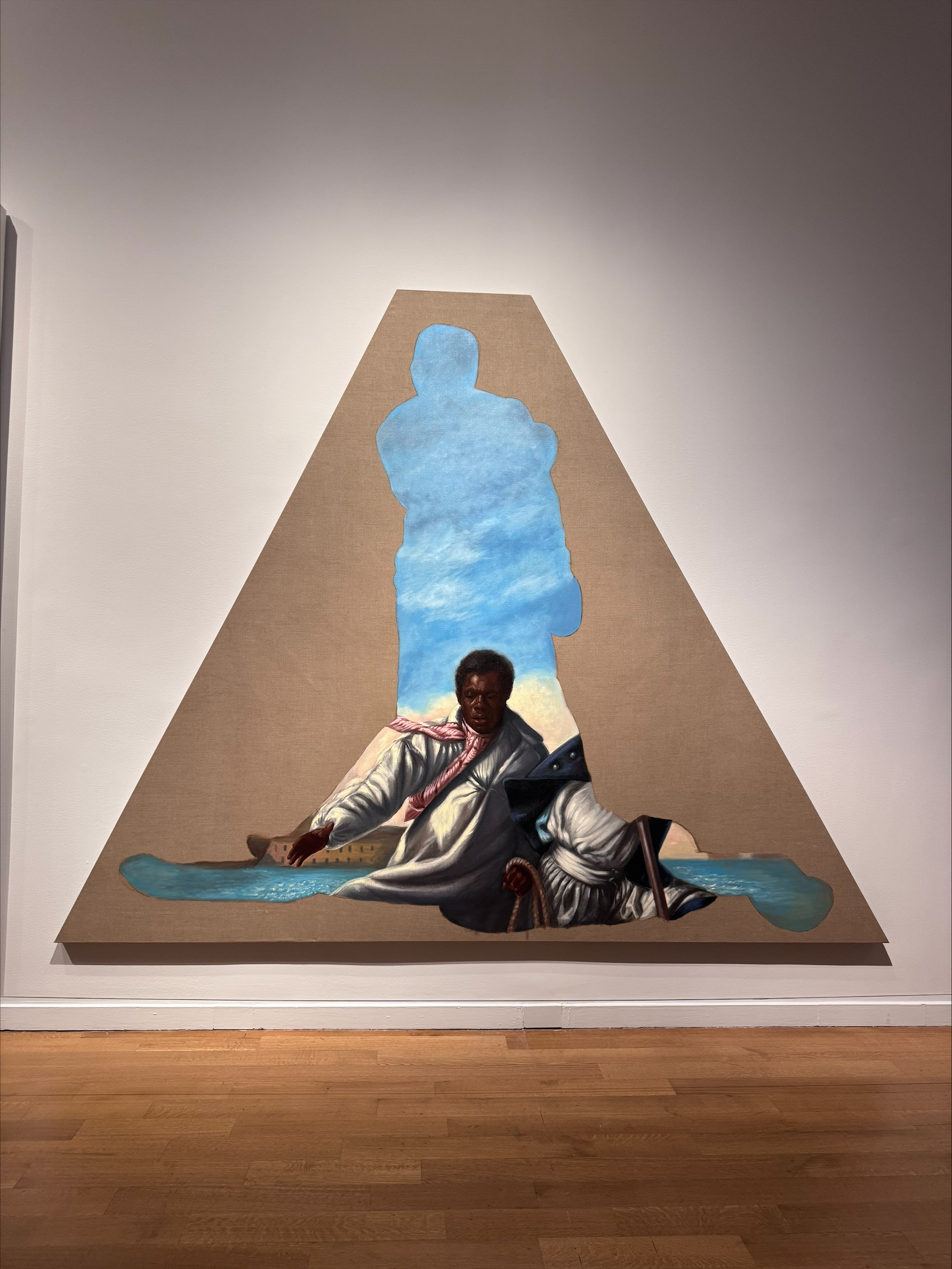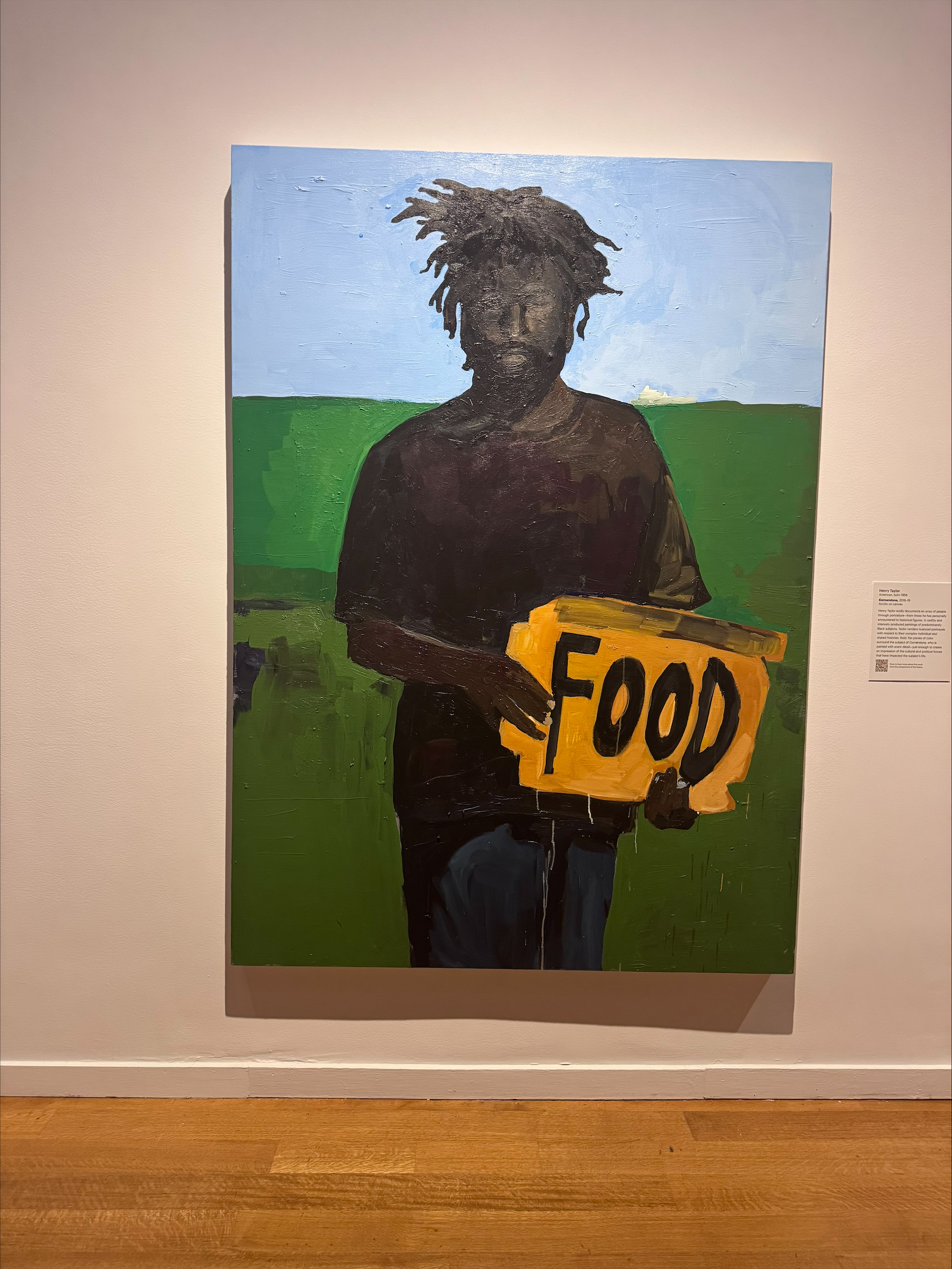
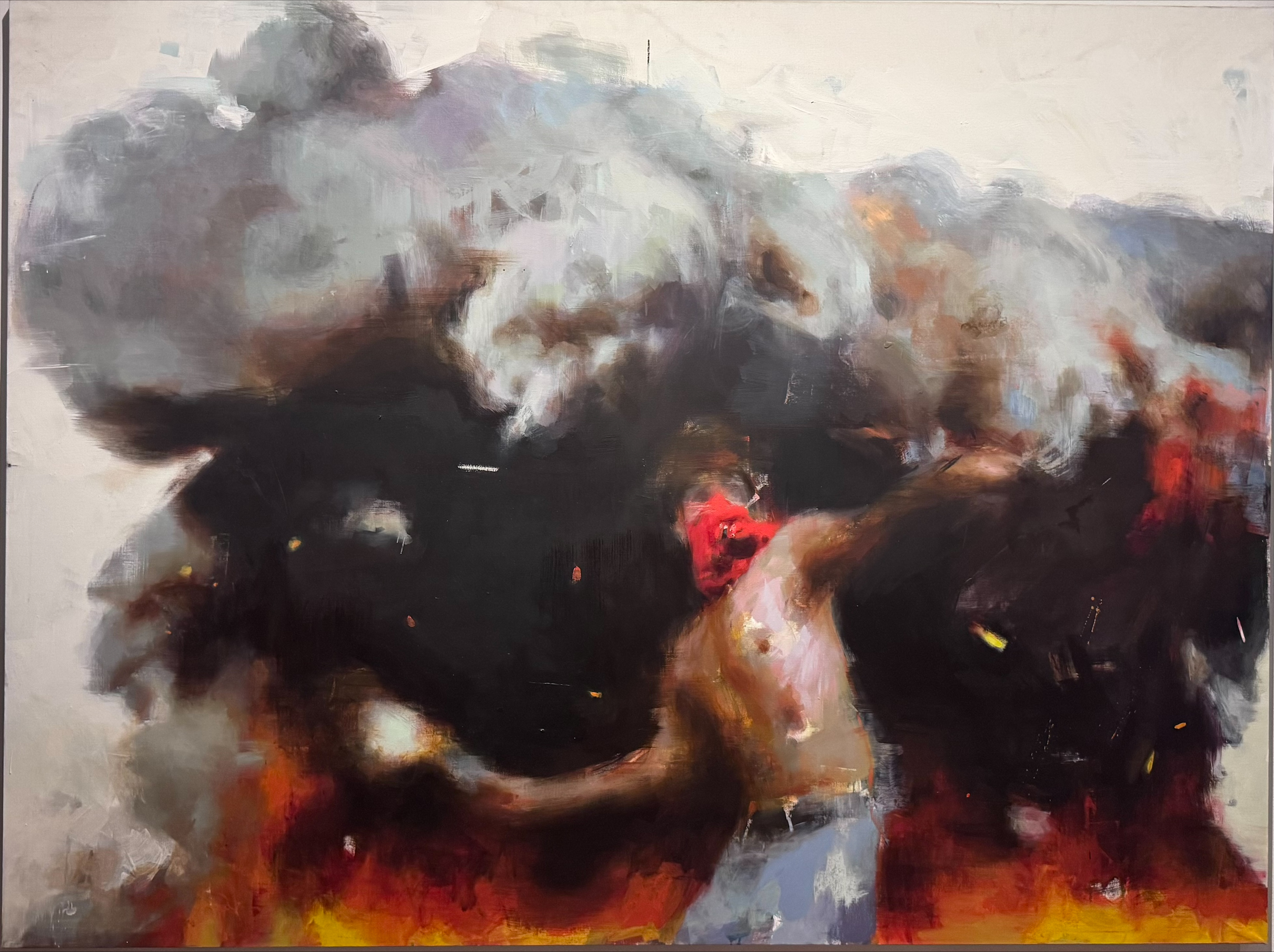
Recently, the Ministry for Racial Justice and Healing—supported by the Rev. David Curtis and Canon J. Lee Hill—curated space to contemplate the work of racial justice at the intersection of Black culture and art during Black History Month. The Virginia Museum of Fine Arts (VMFA) recently showcased Giants, an exhibition featuring more than 130 works from the personal collection of Swizz Beatz and Alicia Keys. The title of the exhibit reflected the prominence of the artists involved, the spiritual and cultural impact of their work, and the literal scale and size of the pieces.
Using Visio Divina as the primary tool for engagement, the group was invited to spend time gazing (visio), meditating (meditatio), praying (oratio), and contemplating (contemplatio) various installations. During the time of preparation, Rev. Curtis encouraged the participants to move slowly and patiently through the galleries in search of the Divine.
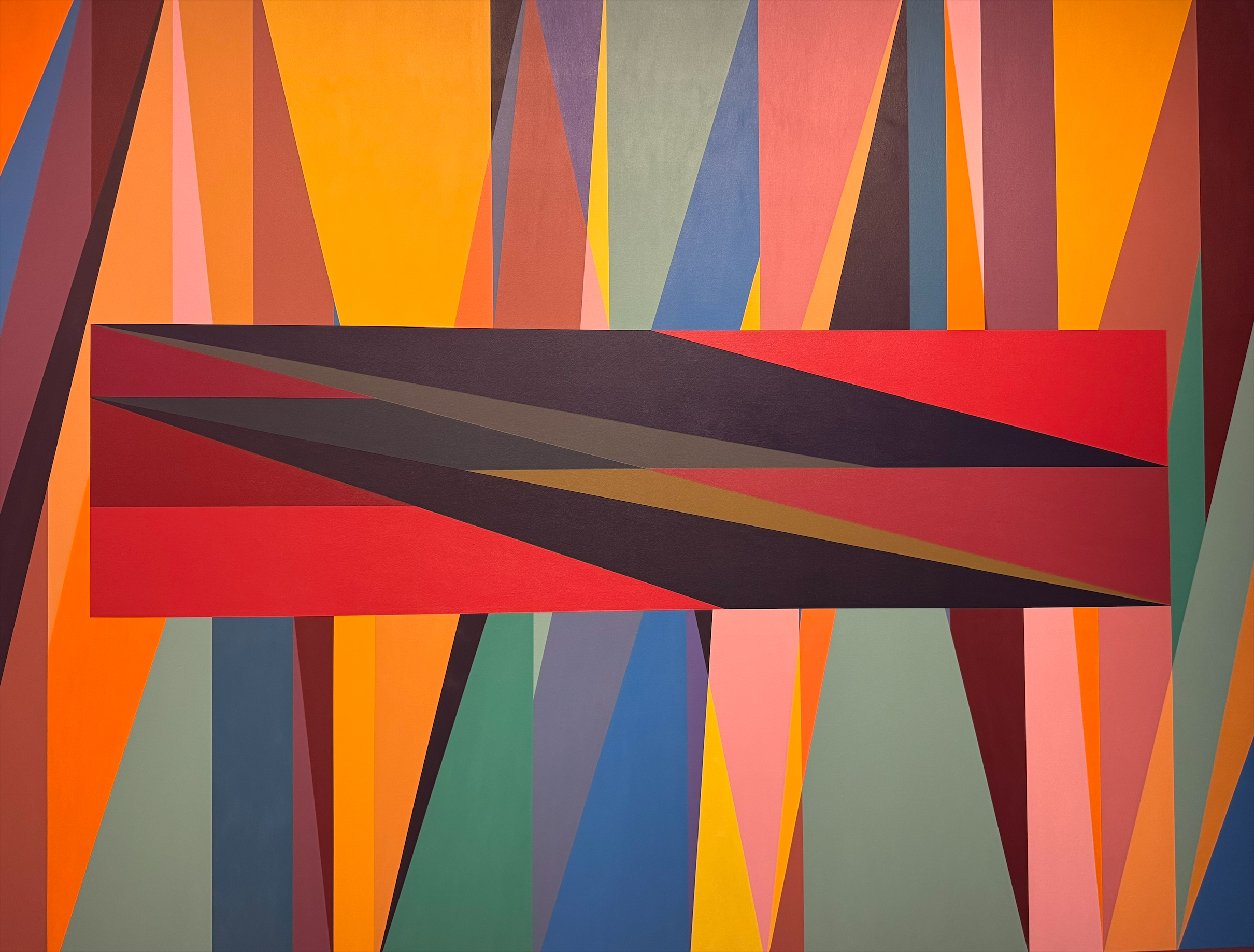
Kenneth Decker, a member of St. Mark’s Episcopal Church in Richmond, offered the following reflection on his experience:
“The recent Diocesan program, Visio Divina, held in concert with the Giants exhibition at the VMFA, was a wonderful opportunity to share impressions of a deeply moving visual experience with a thoughtful assembly of people of faith.
“Although several items made an extraordinary impression, one piece that stood out for me was a black-and-white photo of a well-dressed Black couple. Further examination revealed they lived in Detroit and were on their way to church. The attention to detail in their appearance—from their clothing to their grooming—stands in stark contrast to today’s more informal presentations.
“As Canon Lee pointed out, attending worship was a profound experience for African Americans of that era (and often remains so today). Their local faith community was frequently the only place where their human dignity was fully affirmed and celebrated.”
Karen Franklin, a member of the Truth and Reparations Task Force, also shared her reflections:
“I was very moved by the Visio Divina program. It provided a unique way to not only engage with meaningful art but to see myself in relationship with the God who created me. I was especially impacted by the collection’s representation of beautiful Black women in many different shades. I felt as if I was once again given permission to embrace all that I am; if God created me, then ‘I’m Black and proud, say it loud!'”
Time spent searching for the Divine in BIPOC art and culture is critically important to our formation as disciples, and our work of being Beloved Community. In her 1977 sermon, “Man in God’s Image,” preached at the Washington National Cathedral, the Rev. Pauli Murray named the work of dismantling the structures of “Jane Crow,” and argued that the ministry of racial reconciliation begins with the recognition of the Divine in every human being. Concluding her powerful sermon, she said:
“…we are required to have both a sense of identification and a sense of inclusiveness. If we can apply these two principles as we go about our daily activities, we can help restore the unity of the human family. More than that, there is in store for us the joy that comes with seeing in the radiance of another being’s eyes the image of God reflected even as it is then reflected in our own eyes, as we learn the deeper meaning of loving our neighbor as our self.”