The Venerable Theresa C. Lewallen and the Venerable Susie Harding have been appointed Archdeacons of the Episcopal Diocese of Virginia, stepping into leadership alongside the Venerable Frederico Garza to shepherd, support, and grow the diocese’s community of deacons.
Lewallen, who has most recently been serving at Church of the Resurrection, succeeds the Venerable Holly Hanback, who is stepping down from the role after years of dedicated service during a period of historic growth for the vocational diaconate across the diocese’s 173 churches.
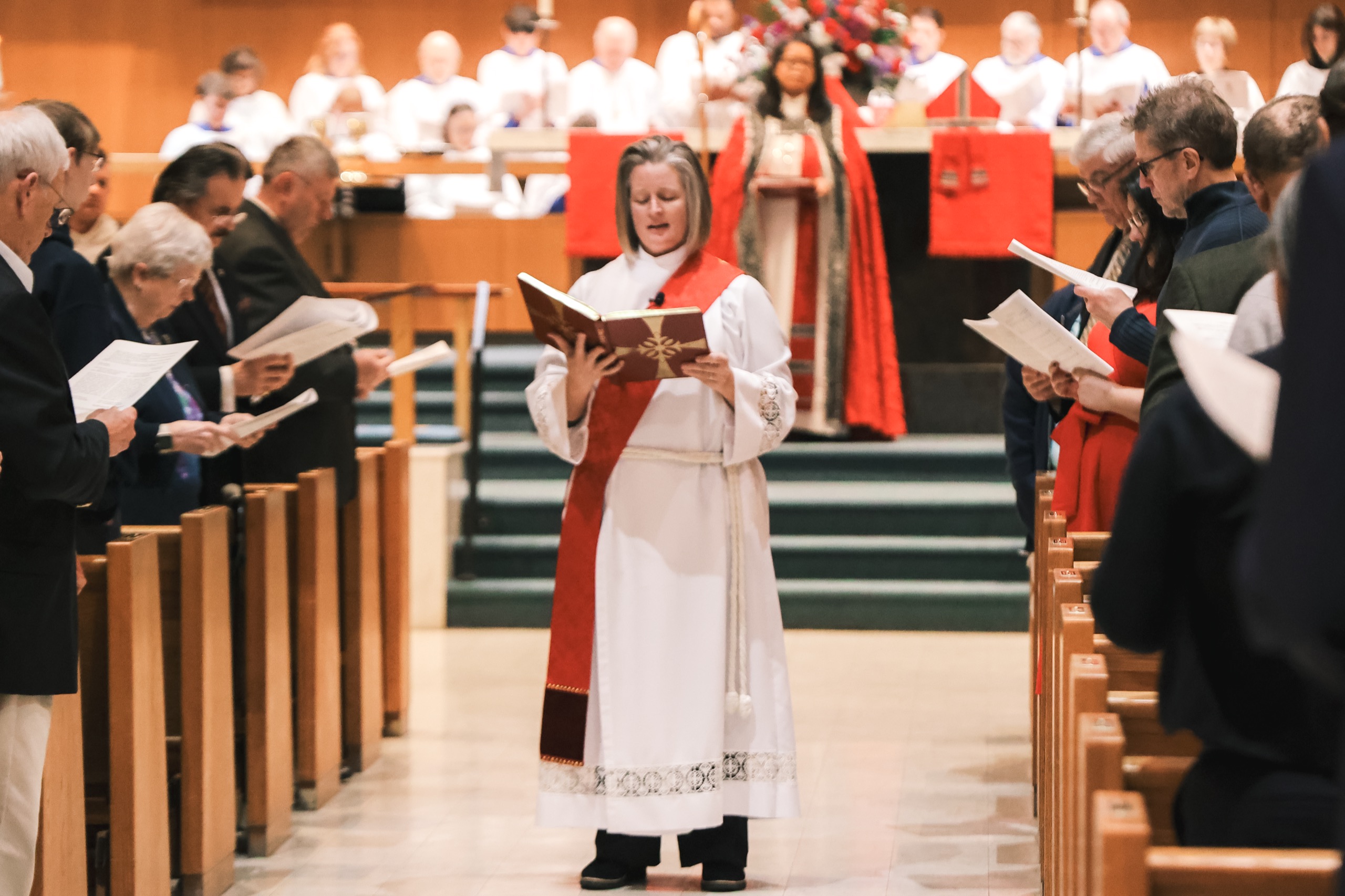
Reflecting on her years of leadership and the remarkable journey of watching the diaconate grow to 47 deacons serving across Virginia, Hanback shared that serving as a “servant to the servants” has been one of the greatest joys of her life as she walked alongside her colleagues in their call to serve God’s people.
Looking forward, Lewallen brings a deep history of community engagement and advocacy to the role following her ordination 10 years ago. She is humbled by the milestone and prays to offer an encouraging, listening presence while sharing the joy of the diaconal vocation.
Harding, who has been serving at St. Andrew’s in Burke, will fill a gap between diaconal formation and diaconal ministry. She will work collaboratively within the archdeacons as a bridge to the diocesan formation program, the St. Phoebe School for Deacons.
“I hope to see the diaconate grow to represent the fullness of who we are as Episcopalians in the Diocese of Virginia across age, language, culture, and locality,” Harding said.
“Deacons show us what it truly means to love Jesus, embody justice, and be disciples by bringing the needs of the world directly back to the heart of the Church,” said the Rt. Rev’d E. Mark Stevenson, Bishop of Virginia.
“Archdeacon Holly Hanback has lived out this call beautifully, serving as a true servant during a season of remarkable expansion. I am thrilled to welcome Theresa Lewallen and Susie Harding into this leadership. Working alongside Archdeacon Frederico Garza, I know Theresa and Susie will bring an encouraging, listening presence that will help our diaconate flourish in the years ahead.”
What is an Archdeacon?
An archdeacon is an appointed deacon who assists the diocesan bishop with the administrative oversight, formation, deployment, and pastoral support of the community of deacons. This specialized ministry helps empower local leaders to love Jesus, embody justice, and live as active disciples throughout their communities. The archdeacon serves as a vital extension of the bishop’s ministry through three key localized pillars:
- Oversight of the Diaconate: Managing the deployment, training, and supervision of deacons across the diocese.
- Ministry Development: Assisting deacons in discerning unique ministries and creating pathways for specialized formation, including Spanish-language ministry and leadership.
- Model Servanthood: Embodying Christ the servant by bringing the needs of the wider community to the church and helping the church serve the world.
Hanback, Harding, and Lewallen were asked about the significance of this milestone, the work and leadership that makes them proud, and their hopes for the future of the diaconate in the Diocese of Virginia. Their full answers follow.
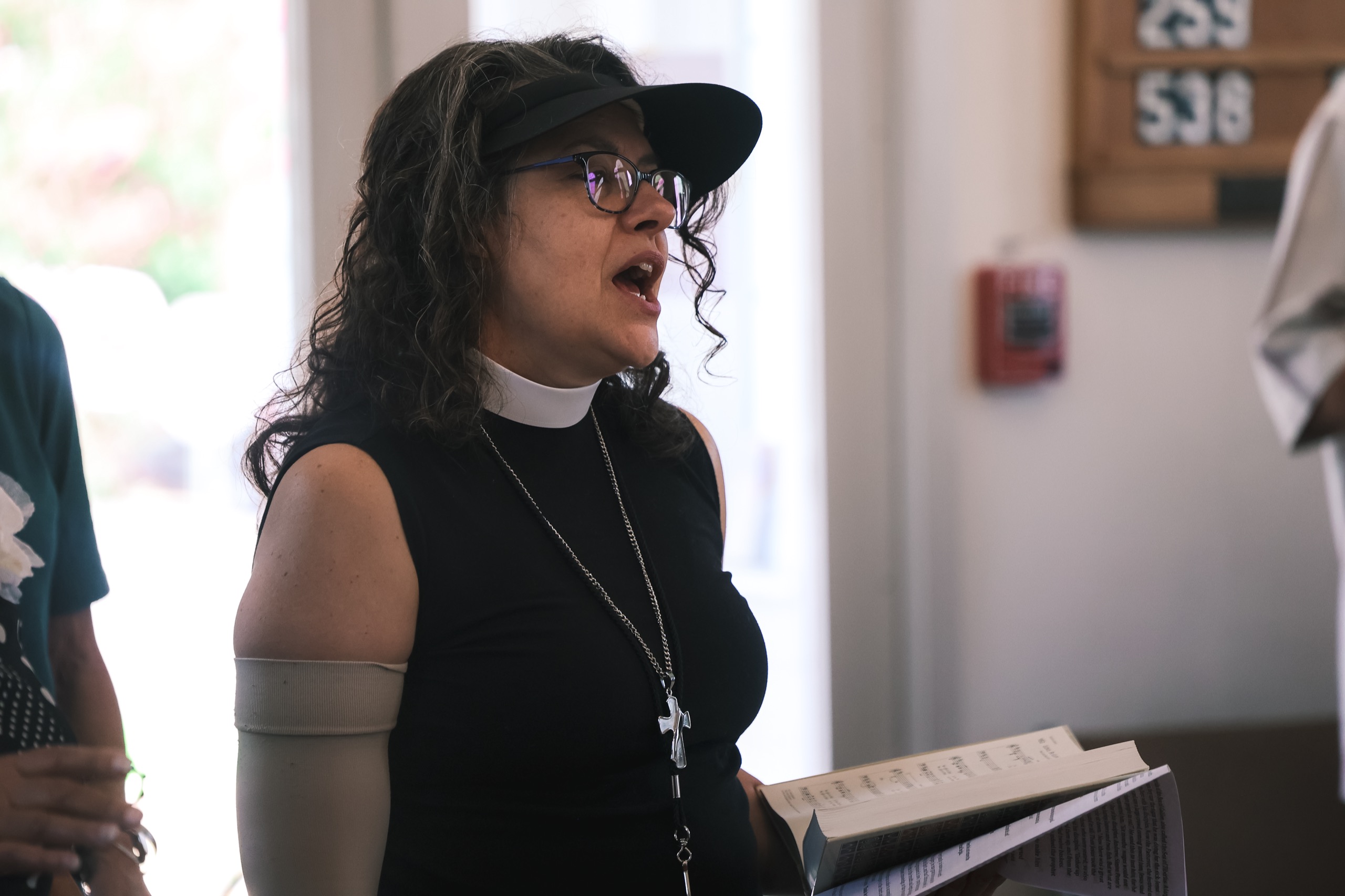
The Ven. Susie Harding (Incoming Archdeacon)
What this milestone means to you: The diaconate continues to grow and thrive in the Diocese of Virginia, and we have now reached the milestone of adding a third archdeacon to serve as a collaborative partner in diaconal formation and as bridge between diaconal formation and diaconal ministry.
What should the diocese know about your most recent work and leadership — what are you proud of? I was formed as part of the first cohort of St. Phoebe School for Deacons (our diocesan formation program for deacons) and this past year enjoyed engaging with the postulants during Sacred Ground experiential weekends and hosting deacons and postulants for Mental Health First Aid at St. Andrew’s, Burke, the parish I am assigned to serve by Bishop Stevenson.
I also serve as an adult leader for the Triangle of Hope Youth Pilgrimage and as a member of the Ministry of Racial Justice and Healing. I am recently back from Liverpool and Ghana with Bishop Stevenson and Canon to the Ordinary J. Lee Hill Jr., where we engaged with other Triangle of Hope leaders to prepare for our youth pilgrimage to Ghana in August. I am passionate about activating and raising the voices of our youth as they are the NOW of the church.
What do you hope for the future of the diaconate in the Diocese of Virginia? Last year our pilgrims attended an ordination of deacons, and yes, this is planting seeds that I hope will one day bear fruit and raise up some young adult deacons. I hope to see the diaconate grow to represent the fullness of who we are as Episcopalians in the Diocese of Virginia across age, language, culture, and locality.
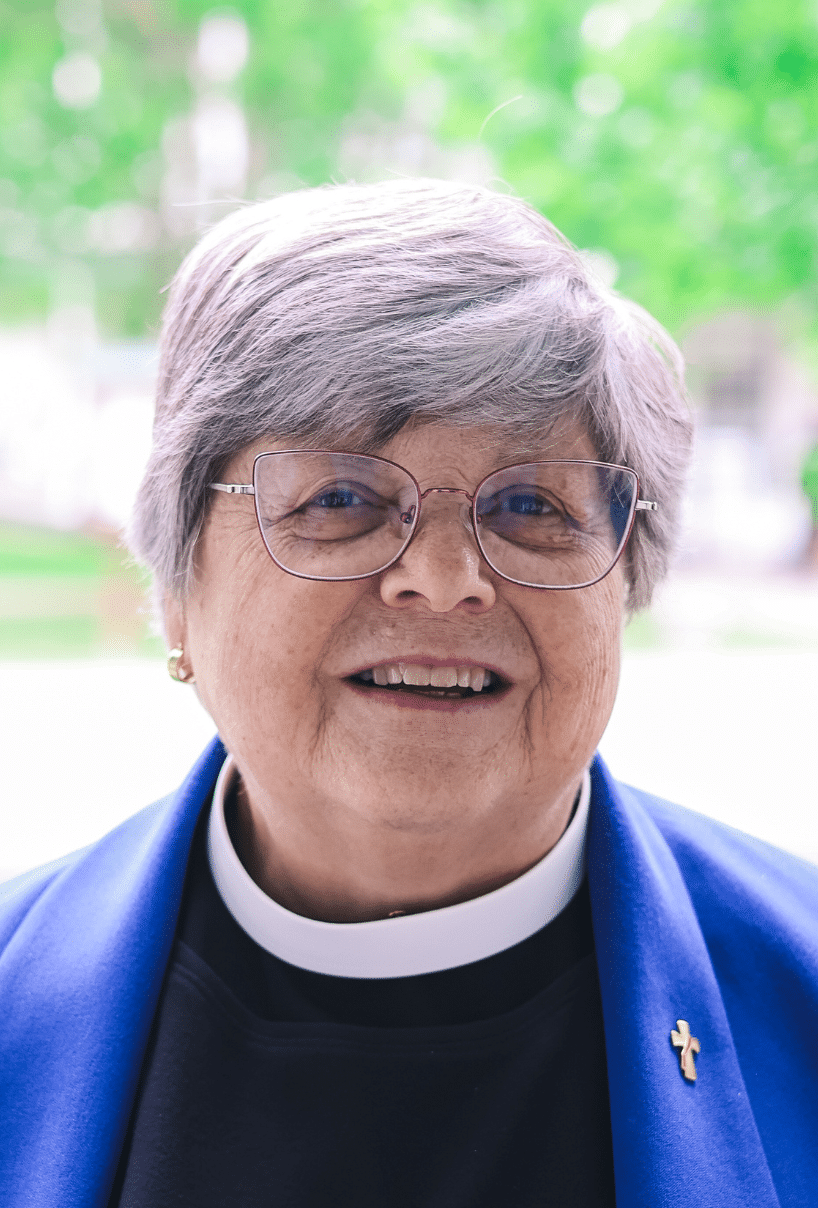
The Ven. Theresa C. Lewallen (Incoming Archdeacon)
What this milestone means to you: I am humbled and grateful to be able to serve the Community of Deacons. The Diaconate has grown significantly since my ordination 10 years ago. I pray I can offer a listening and encouraging presence to the deacons and those they serve with while I continue to share the joy of the vocation of the Sacred Order of Deacons across the Diocese.
What should the diocese know about your most recent work and leadership — what are you proud of? I’ve had paid positions to support myself during my non-stipendiary diaconal ministry. My work and leadership experience has focused on closing equity gaps in community education, health, and income. The work entailed community engagement and collaboration along with leadership development. I’ve also worked in advocacy. I see my work history now as participating in “repairing the breach.” Many of the leaders I worked with are making significant changes in their communities and organizations.
I served as deacon in two parishes. One parish had been financially supporting an organization they helped to create that moved people from the edge of homelessness and joblessness into more stable situations. During my time at the parish, I offered ways for parishioners to get personally involved in the organization, interacting with the participants and with the staff.
When COVID kept us mostly inside, I invited parishioners into the outdoor food distributions and kept our school food support going. Later the same people and others got involved in a Mustard Seed supported program to add the highest poverty school in our area to our food distribution. Folks are still involved in those ministries three years after I was assigned to another parish.
In my second parish, my ministry focus was on racial justice and healing. We created a Stations of the Cross booklet that uses Black history sites in the city of Alexandria highlighting the sinful role in enslavement, lynching, resistance, and protest. Parishioners wrote reflections about each of the sites which we used with the parish. Parishioners’ participation in racial justice and healing events in the city grew. After holding two Sacred Ground circles, we and our partner parish concluded with a Juneteenth Service of Repentance and Holy Eucharist on June 17, 2024.
What do you hope for the future of the diaconate in the Diocese of Virginia? I have lots of hope that along with the laity, in particular, deacons can bring God’s transforming love into the world. We are proclaimers of the Good News of the Gospel through our actions in the world and in the church. Deacons are most frequently seen in our liturgical roles. However, our primary ministry is to work alongside the laity and in the community to listen for the needs of the community and to identify or implement ministries through which those in our churches can live out their baptismal promises by serving the people around them.
I am excited about the future of the Diocese as we show the world how we love Jesus through our actions, how we embody justice for everyone, and how we serve as disciples by acting as Jesus did. We deacons, through our unique ministry, not only listen to the hopes and needs of the people in our communities, but we must bring them back to the church.
With the support of Bishop Stevenson, deacons can lead the Diocese to be responsive to the needs of a hurting, rapidly changing world. I look forward to working with the Venerable Frederico Garza and the Community of Deacons, as we support individual deacons as they live out their ordination vows.
Anything else you want to add: I am grateful to the Ven. Holly Hanback for her leadership and support since before she was named Archdeacon. I am retiring from my paid position as Grants Administrator for the Fund for the Diaconate of the Episcopal Church. In that role, I’ve met deacons who have served the church for many decades and learned through their wisdom. I plan to bring some of those lessons with me as I serve the Community of Deacons, the Bishop, and the Diocese and pray that God will guide me in this new ministry.
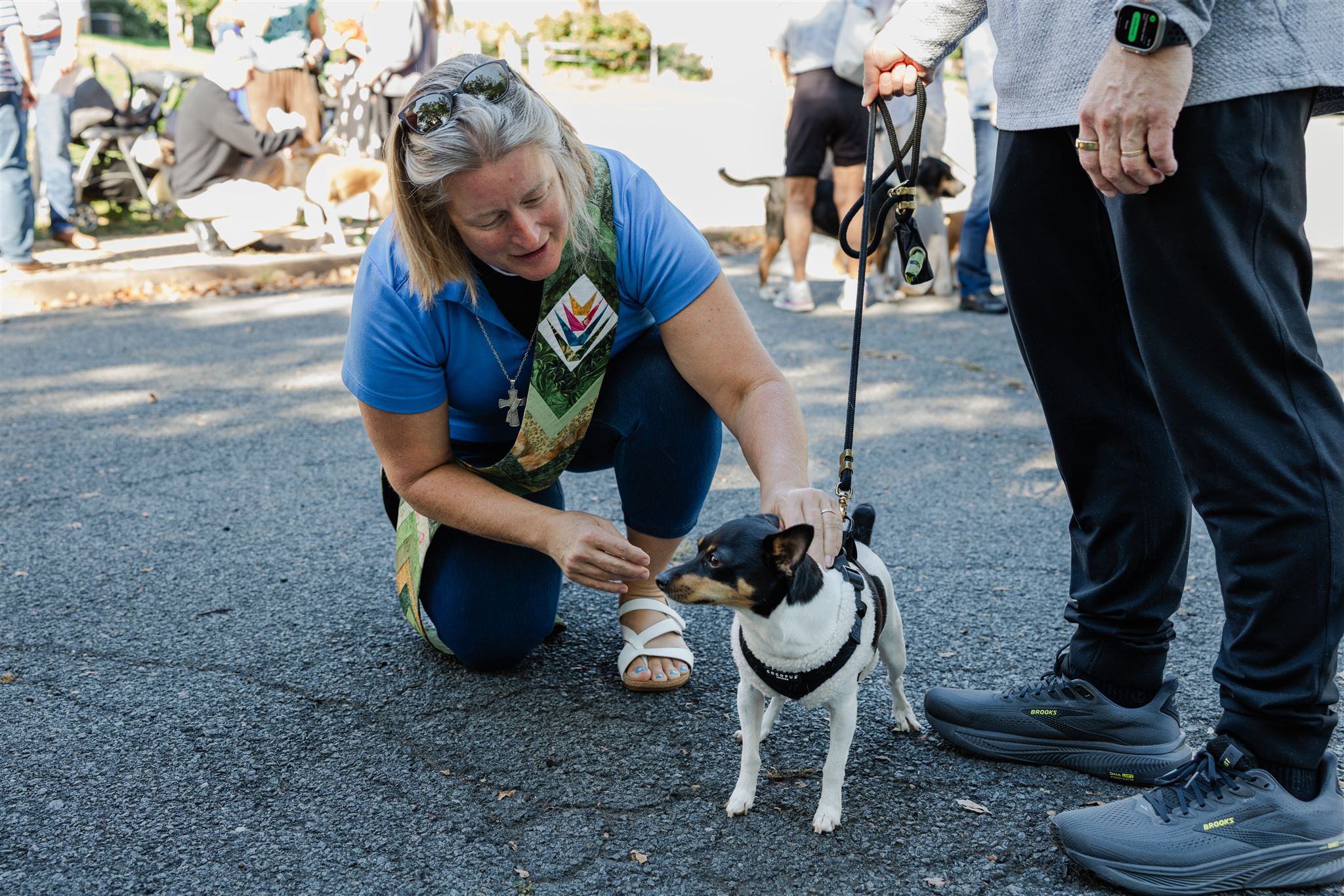
The Ven. Holly Hanback (Outgoing Archdeacon)
What this milestone means to you: When I was a postulant in Deacons’ School in 2011, I remember watching the first cohort of deacons be ordained and thinking what an incredible witness they were to the Church. I never could have imagined that 15 years later we would have 47 deacons serving across the Diocese of Virginia or that I would be stepping down after serving as one of the Archdeacons.
What fills me with the most gratitude is not just the growth in numbers, but the faithfulness, compassion, and dedication of the people who have answered God’s call to this ministry. I have often described my role as Archdeacon as being a “servant to the servants,” and it has been one of the greatest joys of my life to walk alongside these remarkable colleagues as they discern, embrace, and live out their call to serve God’s people. It has truly been a gift.
What should the diocese know about your most recent work and leadership — what are you proud of? I am especially grateful to Bishop Stevenson and the members of the Spanish Language Discernment and Formation Task Force for the opportunity to be part of this important work. The Task Force was created in response to Resolution R-9a, adopted at the 227th Annual Convention, to explore how the Diocese of Virginia can more faithfully support the discernment and formation of those whose primary language is Spanish.
What gives me hope is that we are beginning to identify and walk alongside parishioners who are discerning a call to ordained ministry while also examining our own processes. We are working to make discernment and formation more accessible, culturally responsive, and linguistically inclusive so that all who sense God’s call can fully explore and live into that vocation. It has been deeply meaningful to help create pathways that invite the gifts and leadership of our Spanish-speaking communities more fully into the life of the Church.
What do you hope for the future of the diaconate in the Diocese of Virginia? I hope the diaconate in the Diocese of Virginia will continue to grow and help shape the future of the Church. There is a deep hunger in our world for the love, hope, and peace that God alone can provide. Deacons have the privilege of serving God’s people in a wide variety of places and contexts while inviting others to join in that ministry.
Each deacon’s call is unique. Some of us share the Good News in prisons, hospitals, shelters, food pantries, classrooms, and on street corners. Others serve in different settings, but we are united by a love for God and for God’s people wherever we encounter them. We are called not only to serve but also to bring the stories, hopes, needs, and concerns of the communities we encounter back to the Church. In doing so, we help the Church discern where God is calling us to serve and how we are being invited to participate more fully in God’s work in the world.
More about the Diocese of Virginia diaconate and the St. Phoebe School for Deacons; to learn more about discernment, visit this link.