

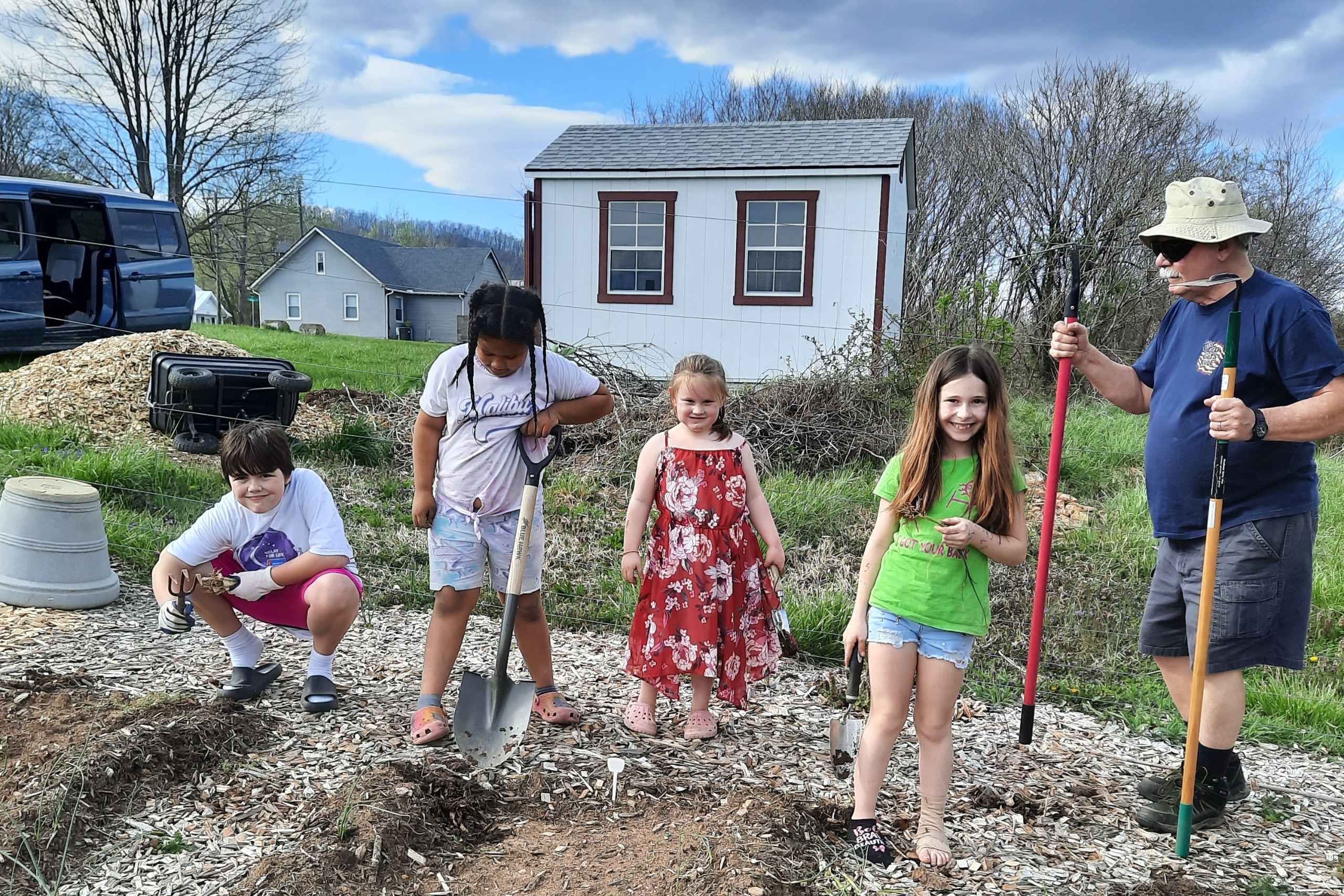
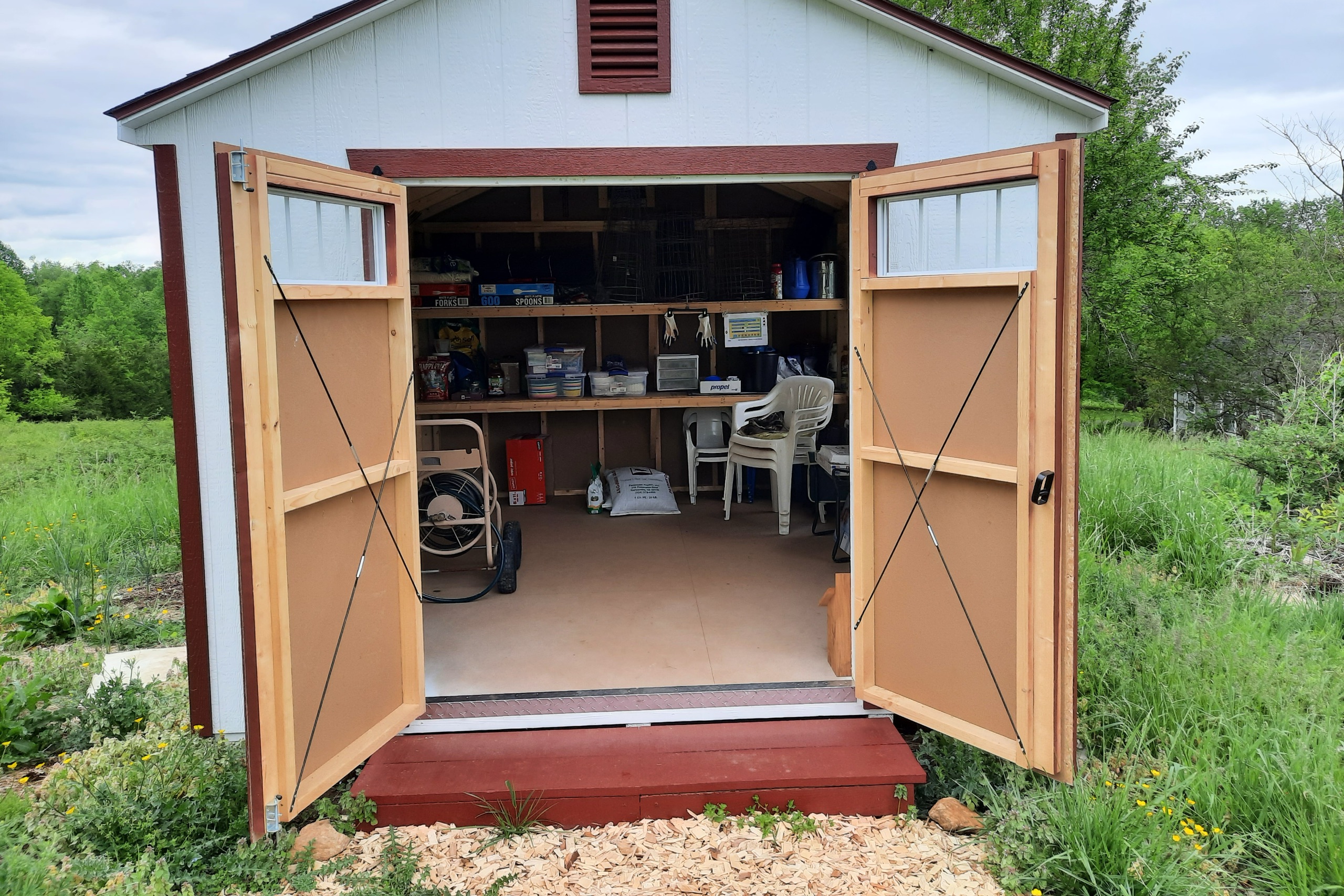
In the book of John, Jesus describes God as a gardener who gets the most out of his plants by cutting and pruning. At Grace Episcopal Church in Stanardsville, the vegetable and spiritual harvest is bountiful because the garden tools are close at hand, in a shed built with a $2,000 Bishop’s Appeal grant.
Welcome to the Unity Garden, which was first built in 2019 to connect with church neighbors in a caring activity. But “it was difficult to engage neighbors in actual work as garden tools were not easily accessible,” garden manager Barbara Reimer Nye said. Everything had to be stored offsite, and all gardening had to be scheduled.
With the shed, the garden has seeded beautiful community spirit, vividly documented on Facebook and Instagram. Church members meet there for “Garden Power Hour,” to be aware of the “wonder of God’s creative power,” and sometimes hold worship services.
Unity Garden’s most significant success may be reversing the church’s aging demographics.
“Blessings grow out from this garden into the community,” Nye said.
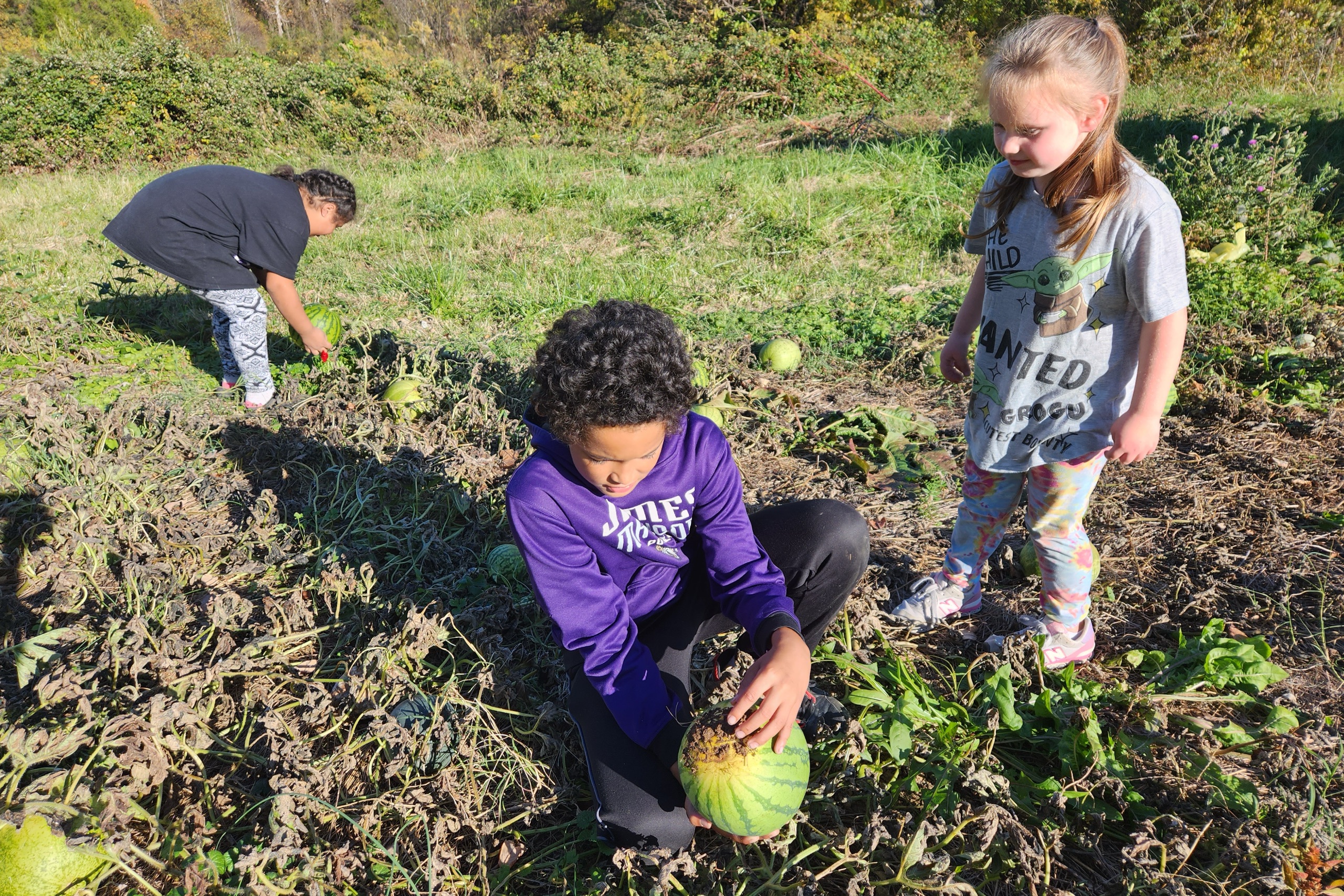
From Pandemic, Plenty of Partners and Visitors
The Unity Garden, and the church, now has plenty of visitors and partners, too:
- Virginia Cooperative Extension (VCE) taught salsa making, container gardening, nutrition, and more. It has also donated financially for tools, fencing, and mulch.
- Feeding Greene, a local food pantry, distributes Unity Garden produce and financed a fruit orchard beyond the shed, with pawpaw, persimmon, jujube, and sour cherry trees.orchard start.jpg
- The county recreation and parks program held lawn games and table crafts.
- The local Youth Development Council (YDC)’s summer campers learned gardening, weeding, and harvesting.
- Local master gardeners advised, taught, encouraged, and donated instruction books, bluebird houses, and mason bee houses.
- Every November, Greene County High School agriculture classes and Future Farmers of America put the garden to bed for the winter.
The shed’s importance grew out of the garden’s increased significance during COVID-19. When the church building closed for the pandemic, the congregation met outdoors near the garden. The 10×12 shed also stores chairs and tables, tubs of plates, bowls, cups, silverware, other picnic supplies, and outdoor games.
Fresh Taste of Unity
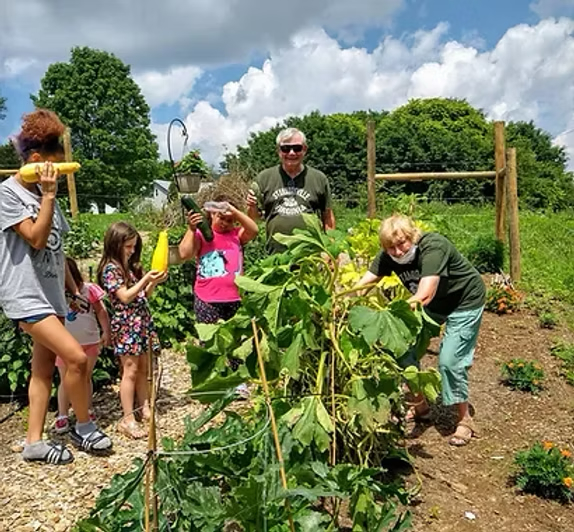
In the fresh air, Grace welcomed local children experiencing isolation. They called these events “A Taste of Unity.”
“As crops were harvested, we prepared tasty dishes, complete with recipes, information, and demonstrations that urged good nutrition,” Nye recalled.
In a somewhat eucharistic fashion, the kids and everyone else “were ushered to harvest ripe offerings to take home and try for themselves,” she said. “People lingered to chat. Soon children called it ‘church’ and would appear whenever our car was at the garden.”
After pandemic rules relaxed in October 2021, four children showed up at a regular Sunday service with their parents, and then more appeared. None had ever attended a Grace service. The next Sunday seven children appeared with three adults. The following Sunday, they organized a Sunday School, and by Christmas Eve, parishioners filled the pews for “costumed children dramatizing a reading of the Luke Gospel,” Nye said.
“These children and friends began attending weekly tutoring sessions with Scripture lessons,” she said. “The children were from diverse backgrounds. Grace leaders modeled and taught that differences were not the determinative factor in their future. They were taught that Jesus loves every one of them and has given them each the ability to become all they were designed to be.”
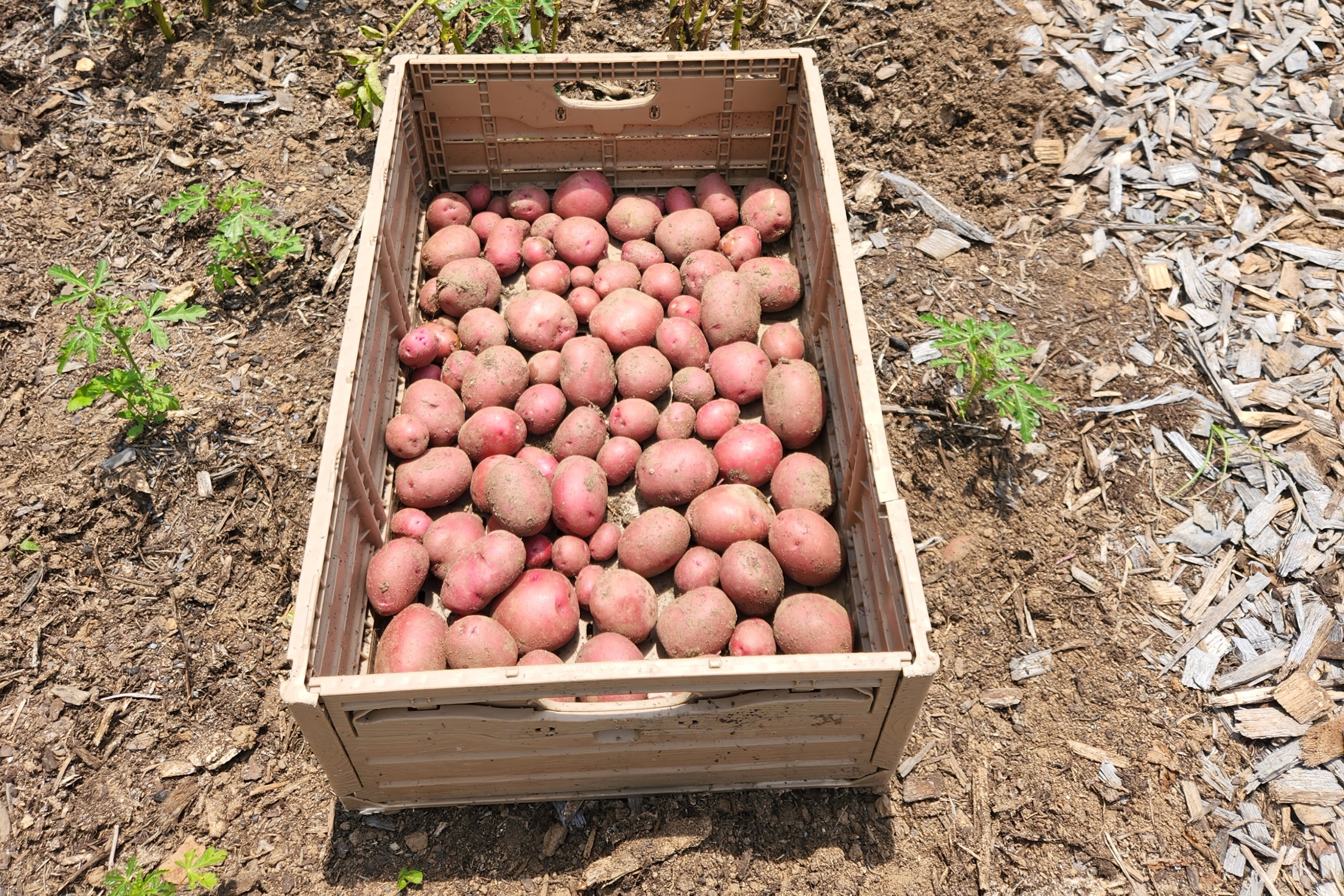
At the garden shed, “Creation Camp” was set up. Through scripture lessons and hands-on projects, “children were taught to see God at work in the garden,” she added. Older kids in summer camps learned how the garden bounty, through the local food pantry, fed families in need. The young people gave back, too, serving the church’s free quarterly neighborhood brunch, where the centerpiece is a beautiful vegetable arrangement.
Becoming Part of Something Greater
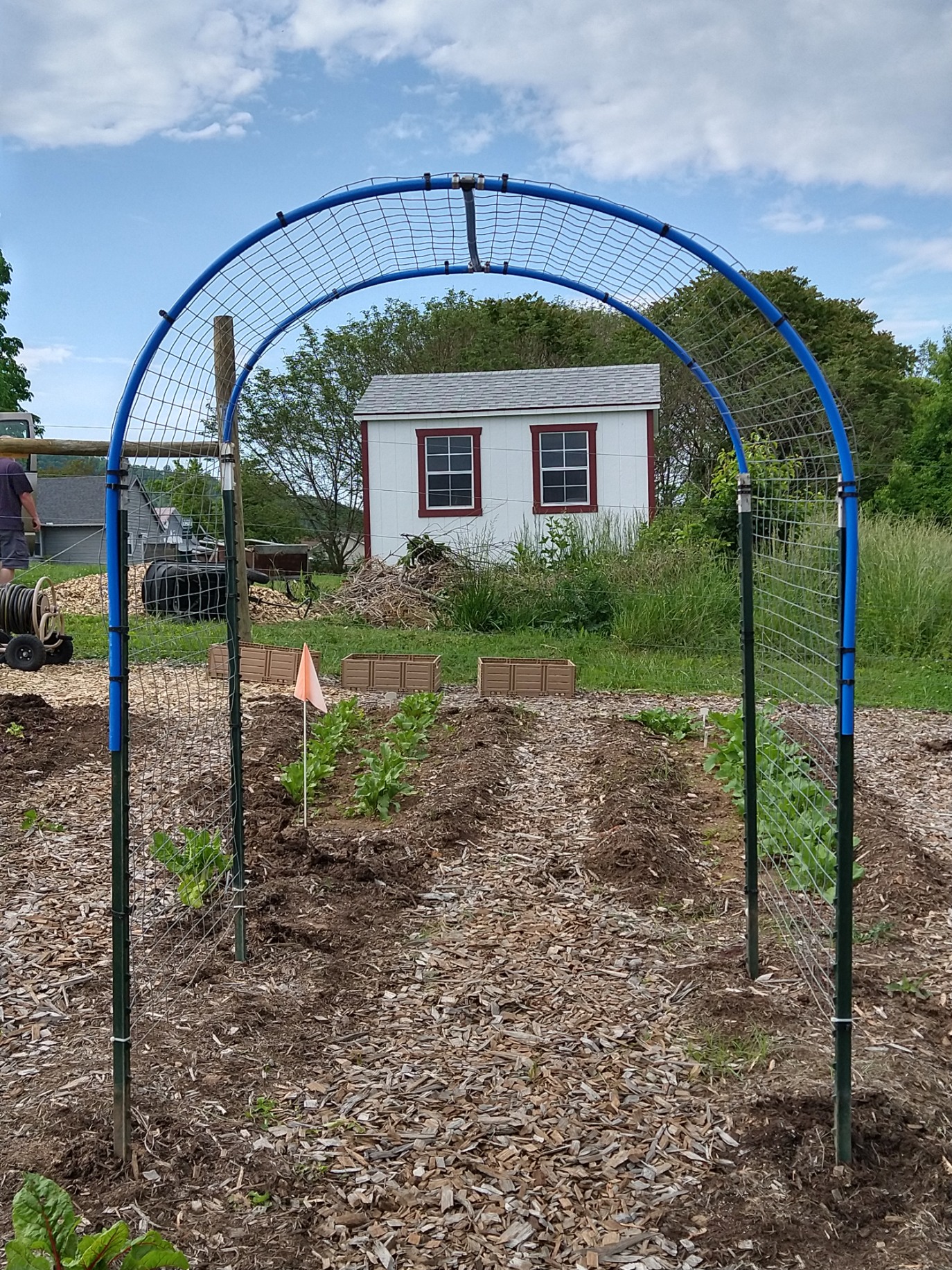
The Unity Garden empowers Grace to live out its unique identity as “A Small Church Following the Way of Love,” and “a Spirit-led, inclusive community of faith, living out God’s unconditional love with each other, our community, and the world through worship, outreach, formation, and fellowship.” It promises members and visitors “a chance to become part of something greater. To grow in their love of Christ and for one another within our beautiful community.”
Through the garden, the church’s outreach “expanded significantly as more parishioners worked at engaging their mostly low-income neighbors with Thanksgiving and Christmas giving,” Nye said.
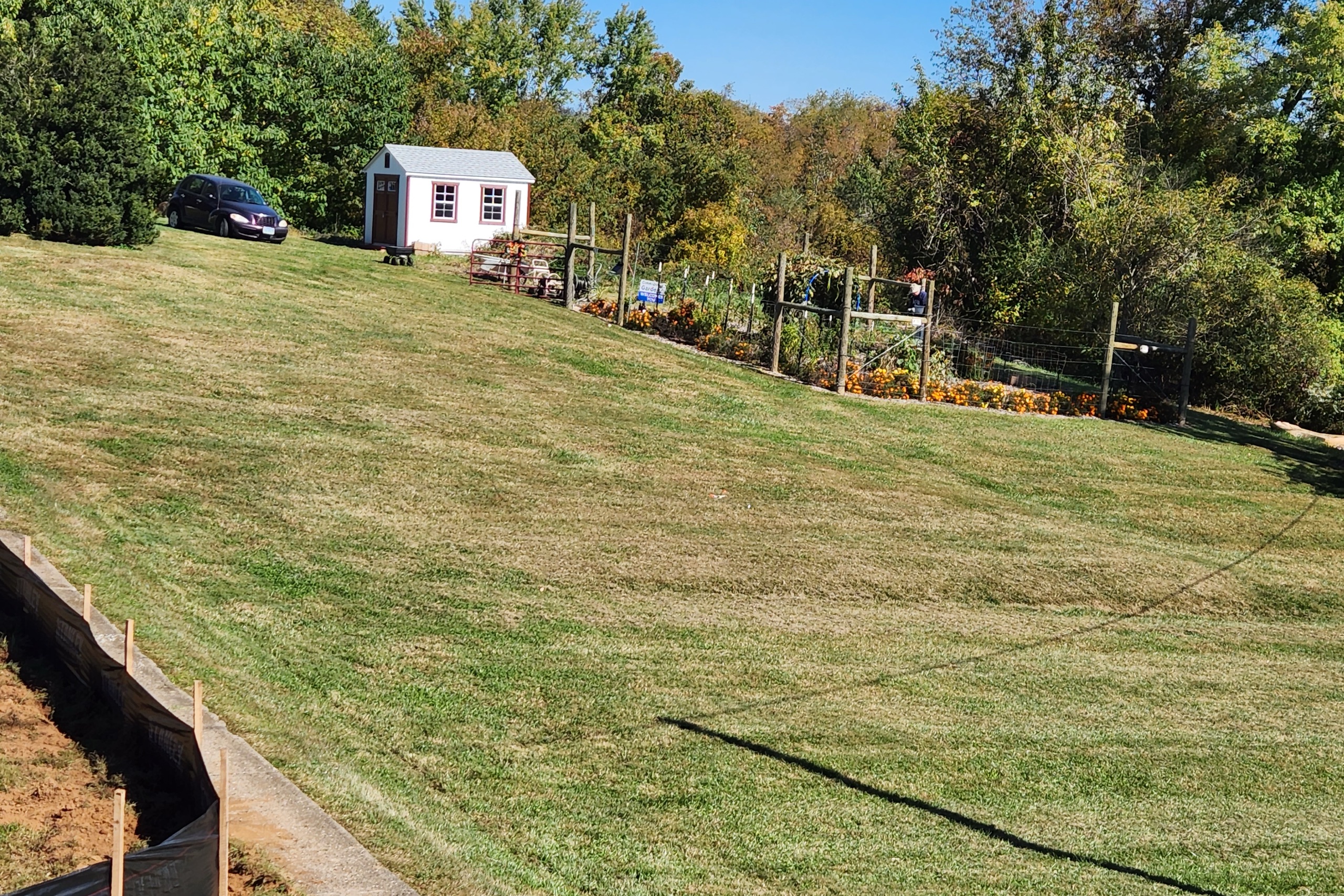
Along with the $2,000 Bishop’s Appeal grant, Grace built the shed in 2021 using donations from parishioners and VCE grants. They chose a sturdy, long-lasting design to “honor the 120-year history of Grace Church and the restoration that had recently refreshed and strengthened our sanctuary,” Nye said.
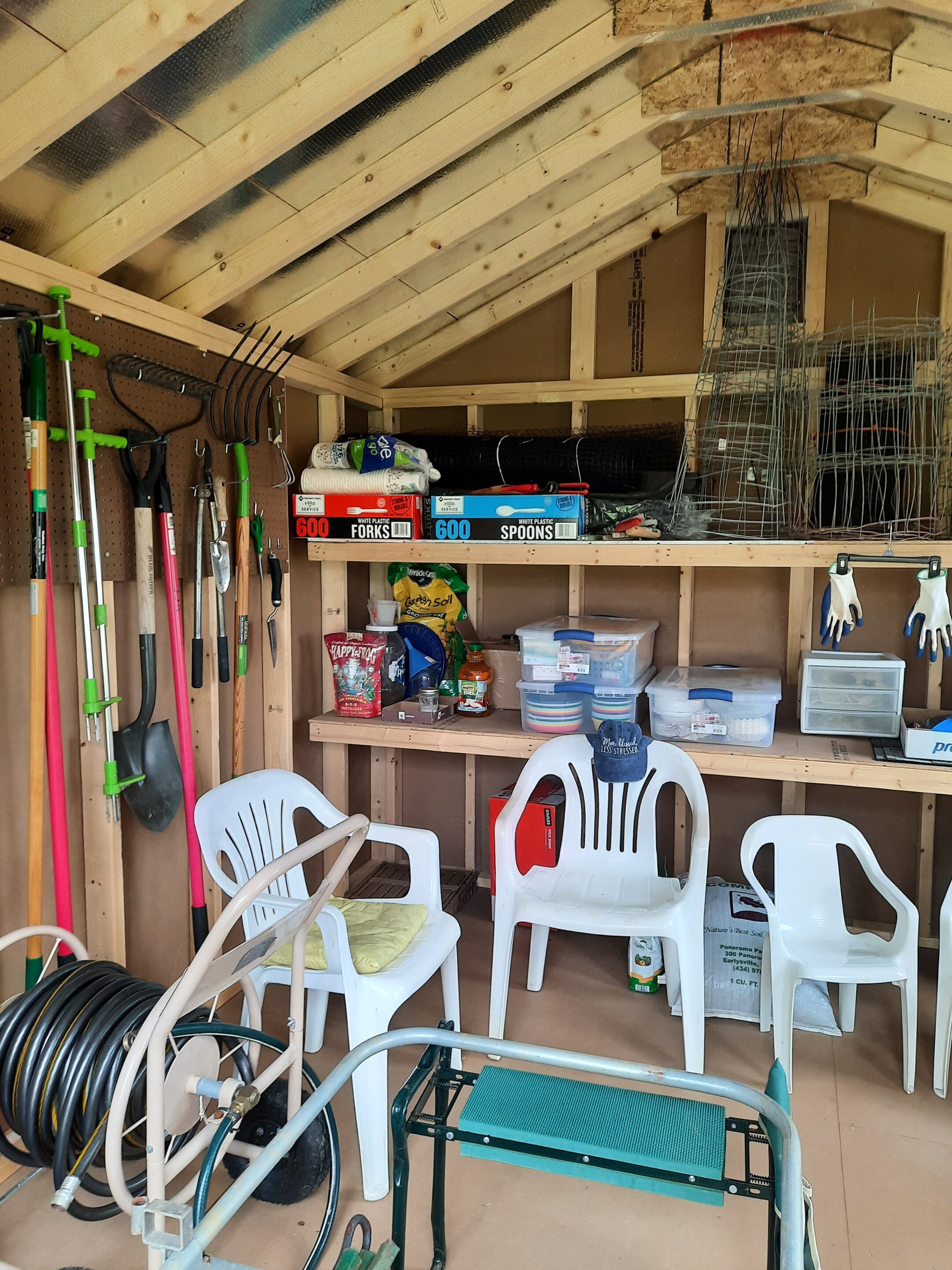
“We sought to echo the firm foundation of faith that urged us to begin the garden in 2019. Our goal was responsible stewardship of the church’s acreage in a way that would benefit Grace Church and the surrounding community‘s physical, mental, and spiritual health.”
Community Gardens Key for Growing Communities
Grace is in the county seat of fast-growing Greene County, located in both the Piedmont and Blue Ridge regions of Virginia, approximately 90 miles east of Richmond, 100 miles southwest of Washington, D.C., and 20 miles north of downtown Charlottesville.
As Greene County is trying to achieve the “fine balance between development and keeping the county rural,” some neighbors are hurting. In 2003, 7.8% of county residents — and 12% of its children — lived in poverty, and almost 1,700 people were experiencing food insecurity.
“With the increase in houses that are set to be built in the next 5 years and the desire of many of those homeowners to grow their own food, [community gardens] will be a high priority,” VCE reported.
Along with salsa making and other healthy food preparation classes, VCE gave the Unity Garden tools and electric fencing materials to protect the garden from critters.
These gifts and the shed sustain the church’s invitation to all: to plant seeds, weed, donate plants, share family recipes and stories of the outdoors, pick up trash, show and tell at Sunday school, donate altar flowers, stroll the fields with a friend or leashed pet, and “pray for God’s best blessings on the property.” In early 2026, the Grace gardeners will start some seeds in the Parish Hall under grow lights.
With help from the shed, the garden has grown to reflect the Psalm (133:1) that it was named for: “How good and pleasant it is, when people live together in unity!”